Child’s Play

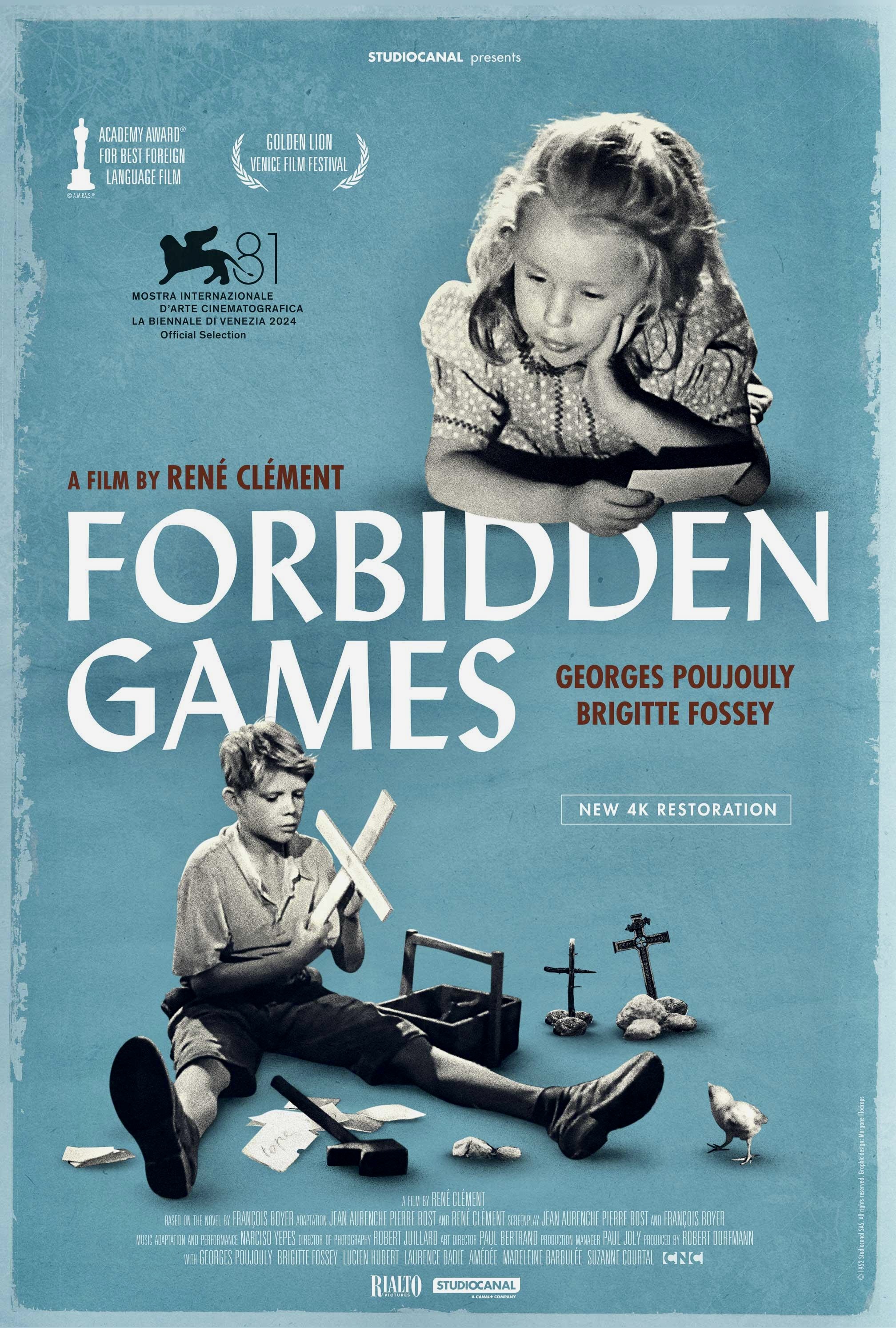
June 1940. A long line of French refugees flee Paris for the countryside during the German invasion of France in WW2. Among the evacuees are a young couple with their 5-year-old daughter Pauline and her pet dog Jock. When the couple’s car stalls on the road, angry refugees push it out of the way and down a hill. The family grab whatever they can carry from their stranded vehicle and return to the road as German aircraft start dropping bombs. In the confusion, Jock runs off and Pauline chases after him. Her parents follow in pursuit but the family is forced to take shelter again as aerial machine-gunners target the escaping Parisians. This time the parents and the dog are mortally wounded and Pauline is left abandoned. She wanders into the countryside clutching her dead pet, not really comprehending what has happened to her. All of this occurs in the few ten minutes of Jeux Interdits (English title: Forbidden Games), one of the most powerful war films of all time. Yet, it is unique within its specific genre because it does not focus on the war itself but the effects of the devastation on a young child. Directed by Rene Clement, the film became an international sensation and won a honorary Oscar as Best Foreign Film of 1952.
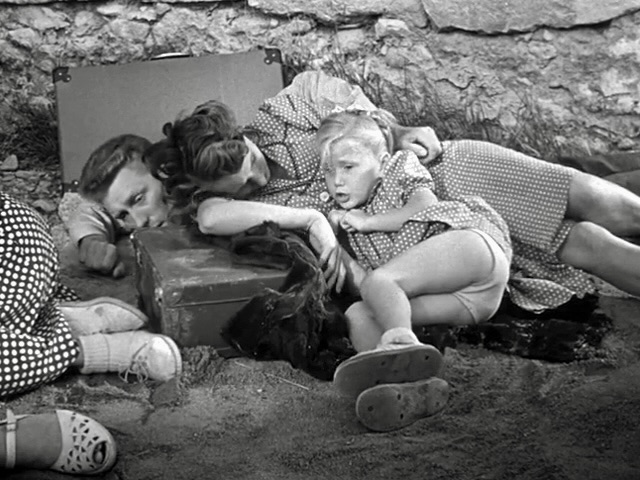
Paulette (five year old Brigitte Fossey) is left an orphan after her parents are killed in a German aerial raid in FORBIDDEN GAMES (1952).
Continue reading

John Frankenheimer’s Service Comedy

I’m a big admirer of John Frankenheimer’s early work from such live TV dramas as The Comedian (1956) and Days of Wine and Roses (1957) to his peak achievements of the sixties: All Fall Down (1962), Birdman of Alcatraz (1962), The Manchurian Candidate (1962) and Seconds (1966). I’ve also enjoyed several of the more commercial projects he helmed throughout his career such as Seven Days in May (1964), Black Sunday (1977) and Ronin (1998). Unfortunately, his reputation has suffered over the years due to several box office bombs and critically maligned movies – The Horsemen (1971), Story of a Love Story aka Impossible Object (1973), 99 and 44/100% Dead (1974), Prophecy (1979), Dead Bang (1989), and especially The Island of Dr. Moreau (1996), which had a highly publicized and chaotic production history.  Yet the most notoriously panned film of his career is easily The Extraordinary Seaman (1969) and in Frankenheimer’s own words, “It was the only movie I’ve made which I would say was a total disaster.”  So, I finally decided to see for myself if the movie lives up to its notoriety.

Continue reading

The Great Displacement

At the end of WW2, it was estimated that more than 6 million people had been displaced from their homes and roughly 180,000 of these were children. Some were concentration camp survivors, others were orphaned or separated from their families, hiding in monasteries or living with strangers. There have been a handful of films that dealt with this traumatic situation and Fred Zinnemann’s The Search (1948) is probably the most famous post-war American film on the subject. It was nominated for four Academy Awards and won a special Juvenile Oscar for Ivan Jandl as a homeless kid separated from his Czech mother. Europe also produced some landmark films about displaced children during WW2 including Roberto Rossellini’s Germany Year Zero (1948) and Rene Clement’s Forbidden Games (1952) but Somewhere in Europe aka It Happened in Europe (Hungarian title: Valahol Europaban) from Hungarian director Geza von Radvanyi was one of the first films to address war orphans trying to fend for themselves. Released in 1947, the film is less well known than other post-war dramas from the same period but it is a harrowing portrait of a dire situation affecting Eastern Europe, especially Hungary, during the final days of the war.

Continue reading

Sean Connery as a Gypsy Grifter

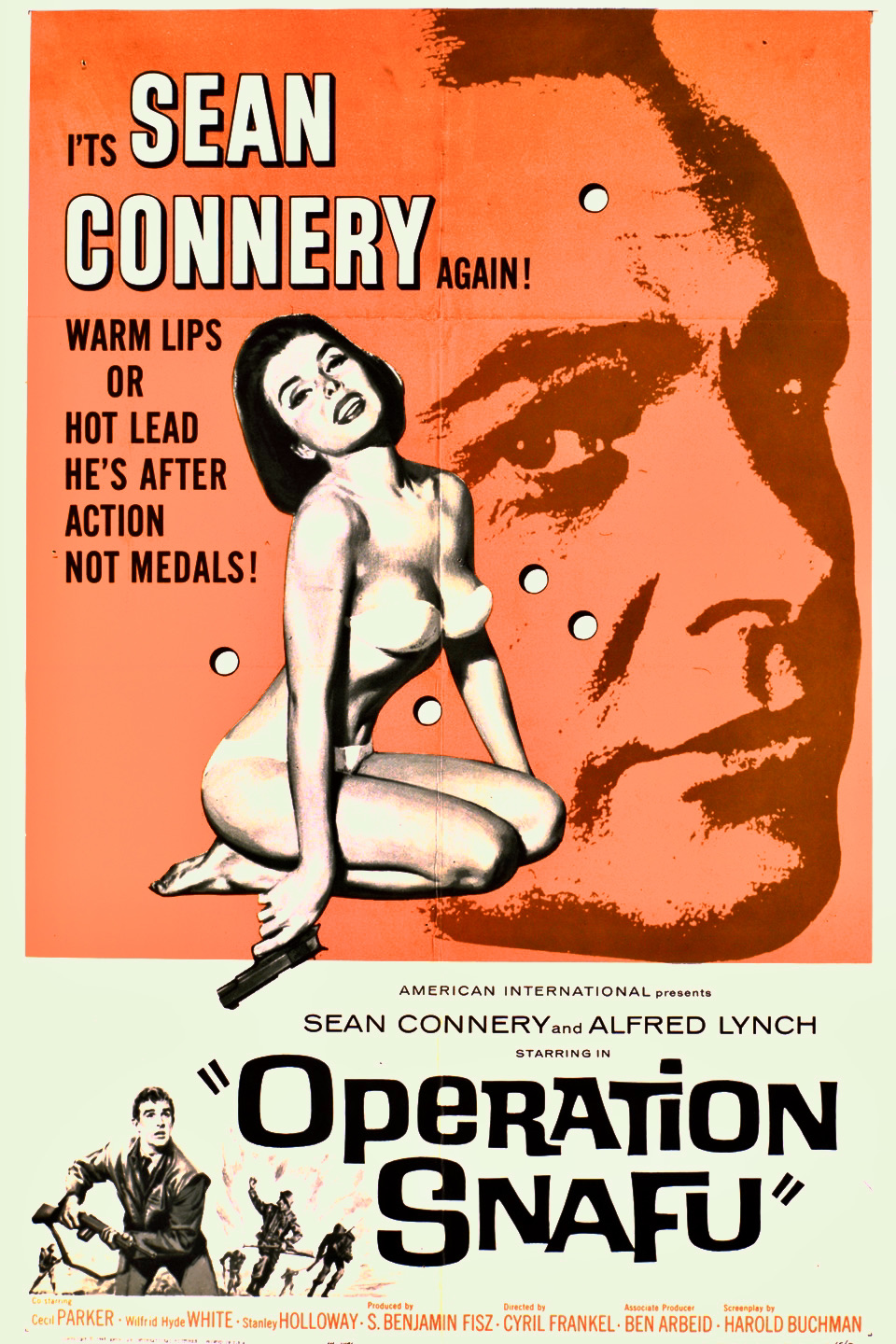
What’s your favorite Sean Connery role before he became famous as James Bond. This question might stump the average movie-goer but film buffs would probably choose one of his menacing villain roles in either Hell Drivers (1957) or Tarzan’s Greatest Adventure (1959) or possibly his dashing romantic hero opposite Janet Munro in Walt Disney’s Darby O’Gill and the Little People (1959), where he actually gets to sing. The latter is easily my favorite with the Irish mythology of leprechauns, pookas and banshees giving it the edge but there is something quite appealing about Connery trying his hand at comedy in the lesser-known British B-movie Operation Snafu (1961), which was released in the U.K. as On the Fiddle (It was also known as Operation War Head).  

Continue reading

For the Boys

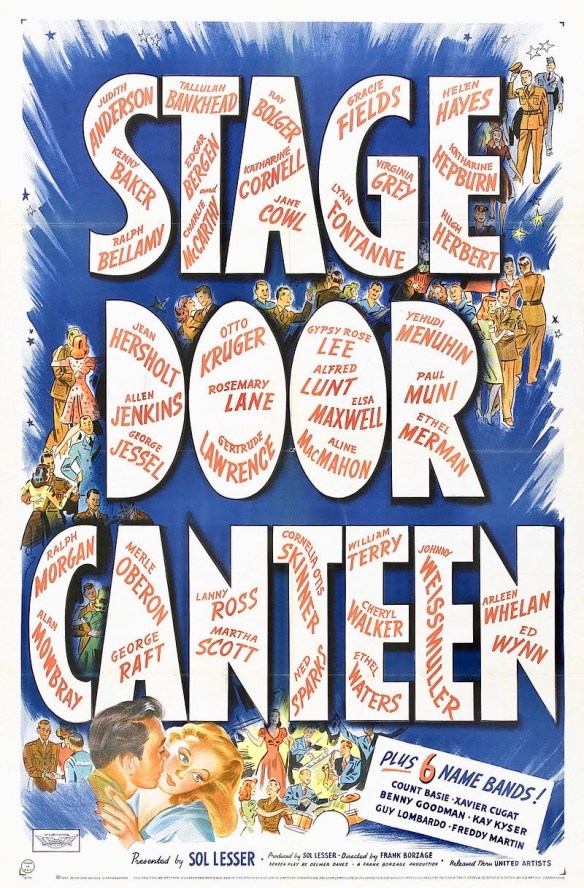
Between 1941 and 1945 as World War II engulfed the world most major studios in Hollywood demonstrated their patriotism by producing numerous flag-waving musicals in support of the troops and to raise money for the war effort. Warner Bros. was represented by This is the Army (1943), Thank Your Lucky Stars (1943) and Hollywood Canteen (1944); Paramount served up Star Spangled Rhythm (1942) and Here Come the Waves (1944); Universal had a major hit with Buck Privates (1941) starring Abbott & Costello and The Andrew Sisters; 20th-Century-Fox unveiled the mind-warping visual excess of Busby Berkeley’s The Gangs All Here (1943) and MGM brought their signature gloss and glamor to Thousands Cheer (1943) and Anchors Aweigh (1945). But probably one of the biggest extravaganzas of all in terms of star cameos and musical guests was Stage Door Canteen (1943), released by United Artists.   Continue reading