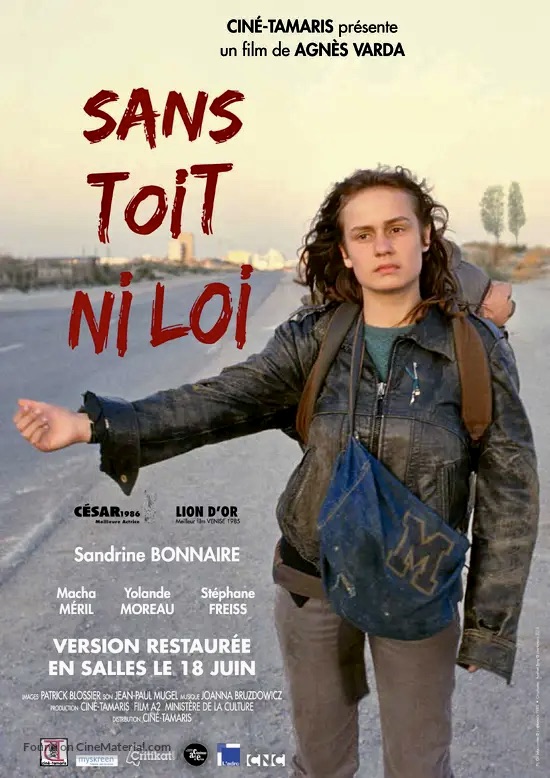
Film critics and moviegoers familiar with the work of French filmmaker Agnes Varda were unprepared for her seventh feature film Sans toit nil oi (English title: Vagabond) when it hit theaters in 1985. It had been eight years since her previous dramatic work One Sings, the Other Doesn’t (1977), an optimistic, semi-musical tale of female solidarity and friendship during the rise of the feminist movement in France, and her new feature couldn’t have been more different or unexpected. Nor did any of her earlier features – the New Wave influencer La Pointe Courte (955), Cleo from 5 to 7 (1962), Le Bonheur (1965), Les Creatures (1966) or the experimental happening Lion’s Love (1969) – prepare viewers for the harsh realities and raw authenticity of Vagabond. Certainly the film was partially shaped by Varda’s own experience in documentary filmmaking but it also exerted a dramatic power and an almost visceral visual sense that was not apparent in the director’s previous dramatic work. Based on Varda’s encounter with a female vagrant, Vagabond focuses on the final weeks in the life of a homeless woman named Mona (Sandrine Bonnaire) who meets and interacts with various people along the roads of southern France before dying of exposure in a vineyard during a harsh winter.
Continue readingTag Archives: Venice Film Festival
The Insurrection Cometh

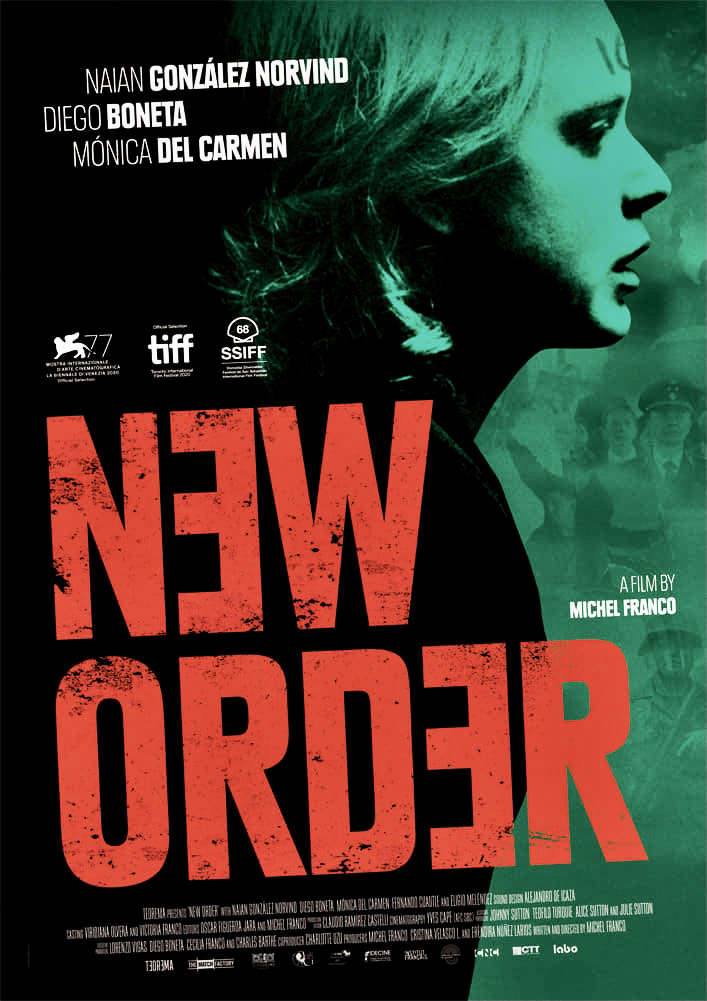
What does anarchy look like? The events of January 6, 2021 when a violent mob stormed the U.S. capitol provided a chilling example of social order under siege but this has happened before. Remember New Orleans in the wake of Hurricane Katrina in August 2005? The communications infrastructure was temporarily disabled, support services and emergency aid were unavailable and security became an issue as looting and other criminal activities took place until some semblance of order was restored by the arrival of National Guard troops a few days later. The absence of law enforcement and a rising sense of panic and chaos was broadcast to TV viewers around the world. Michel Franco’s New Order (2021), the Grand Jury Prize winner at the Venice Film Festival, taps into this fear of impending dystopia with a gripping thriller set in the wealthy enclave of what appears to be Mexico City but is never explicitly identified.
Continue readingVittorio De Seta’s L’Invitata
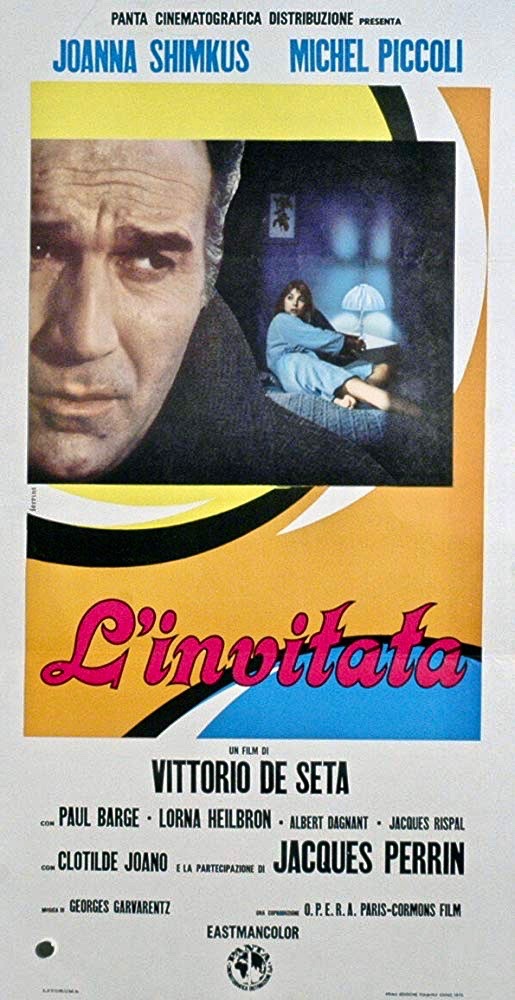
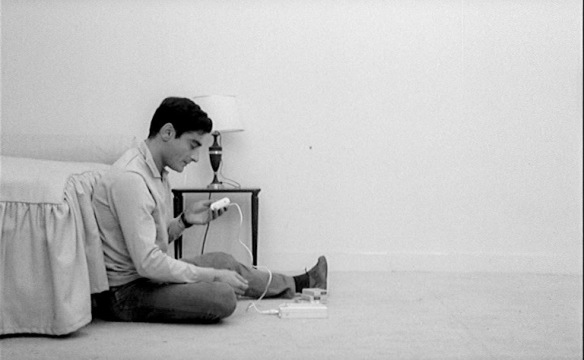
Road movies might seem like a home grown American film genre with such famous examples as Bob Rafelson’s Five Easy Pieces (1970) and Monte Hellman’s Two-Lane Blacktop (1971) but there have also been plenty of influential representatives from abroad such as Henri-Georges Clouzot’s The Wages of Fear (1953) and Wim Wenders’ Kings of the Road (1976). The latter film, in particular, takes a much more introspective and observational approach to character and narrative and such is the case with Vittorio De Seta’s little seen and almost forgotten 1969 feature, L’Invitata (aka The Uninvited). Continue reading
Fade to White
Films that explore mental illness, especially Hollywood productions such as The Snake Pit, The Three Faces of Eve and A Brilliant Mind, usually tend to be heavy on the histrionics providing highly dramatic showcases and Oscar award opportunities for actors. But a descent into madness isn’t always signaled by wildly disruptive or overwrought behavior from the afflicted. Sometimes the illness can creep up slowly by degrees and pass for something more fleeting and subtle that avoids detection during the early stages. Life Upside Down (La vie à l’envers), directed by Alain Jessua, is a remarkable example of this, presenting a man who goes quietly mad while interpreting his erratic behavior as a profound new self-awareness. Continue reading