
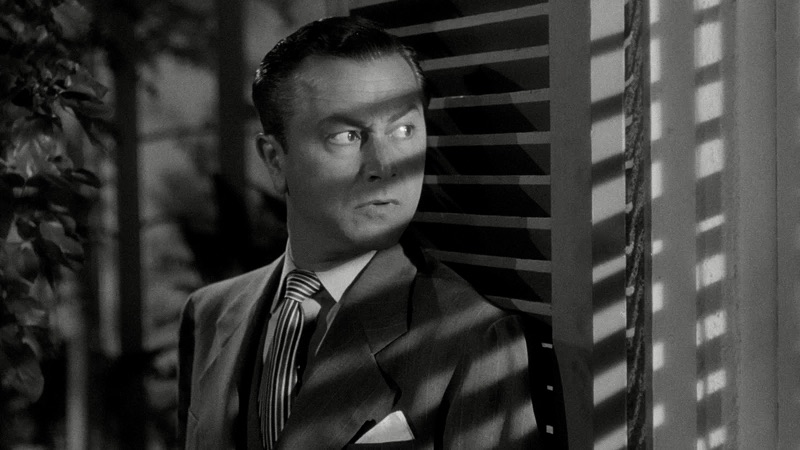
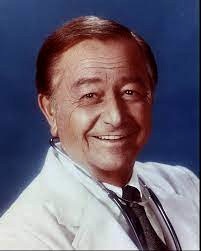
When most baby boomers think of actor Robert Young, they probably recall his popular TV medical series Marcus Welby, M.D. (1969-1976) where he was the epitome of the kind, compassionate doctor or they remember Jim Anderson, the perfect dad in the all-American family sitcom Father Knows Best (1954-1960). He was also typecast as “Mr. Nice Guy” in most of his Hollywood films, playing cheerful romantic leads or the leading man’s best friend or some other debonair, noble or well-intentioned character who rarely made a strong impression compared to more assertive male leads like Clark Gable, Gary Cooper or Spencer Tracy. But there were several occasions when Young discarded his good guy image by playing shadowy characters, outright villains, or damaged human beings. Among these atypical casting choices, Young is most memorable in Alfred Hitchcock’s Secret Agent (1936) as an undercover spy, a budding fascist in The Mortal Storm (1940), a shellshocked and physically maimed war veteran in The Enchanted Cottage (1945), a complete cad and accused murderer in the underrated film noir They Won’t Believe Me (1947), directed by Irving Pichel, and an architect who is suspected of being a dangerous criminal in The Second Woman (1950).
 Cinema Sojourns