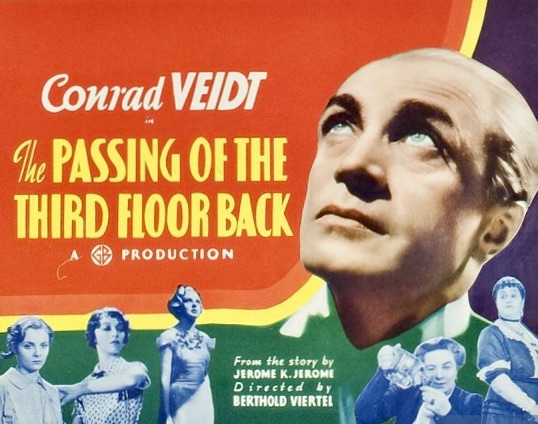
A mysterious stranger arrives at a boarding house in London and inquires about the advertised room to let. The landlady has some reservations about him but his good manners, personal charisma and willingness to pay his rent in advance convinces her he will be a respectable lodger. How many times have we seen movies that open with the same scenario where the new boarder turns out to be a suspicious character and possibly mentally unhinged? Alfred Hitchcock’s The Lodger (1927), Man in the Attic (1953), Roman Polanski’s The Tenant (1976) and The Minus Man (1999) are some of the more famous examples of this. The 1935 British film, The Passing of the Third Floor Back, however, gives us a protagonist who could be some kind of savior in disguise, a spiritual being who has come to help the unhappy and misanthropic boarders. Is he an angel, a Christ figure or maybe a figment of someone’s imagination?
Continue readingTag Archives: The Lodger
Vanishing Act
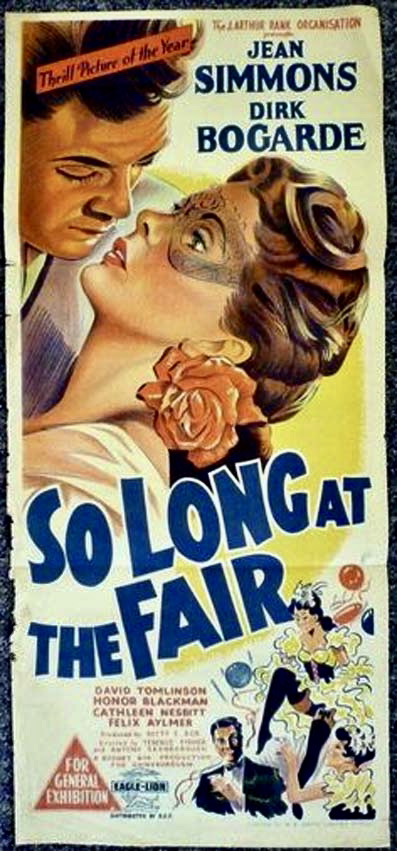
People who disappear without a trace always make the most compelling cold case mysteries, mainly because they baffle even the most intrepid investigators. The famous urban legend of “The Vanishing Lady” also known as “The Vanishing Hotel Room” may very well have been based on a real person but the true facts are lost to time. No matter. The strange tale, which first emerged in the early 1900s, has been appropriated by various writers and filmmakers in some form over the years such as the 1913 novel The End of Her Honeymoon by Marie Belloc-Lowndes (author of The Lodger), Sir Basil Thomson’s 1925 novel The Vanishing of Mrs. Fraser and the 1932 film The Midnight Warning. My favorite variation on this theme is the Victorian era mystery, So Long at the Fair (1950), produced by the British film studio, Gainsborough Pictures. The title comes from the English folk tune “Oh Dear! What Can the Matter Be?,” which contains the line, “Johnny’s so long at the fair.”
Continue reading

