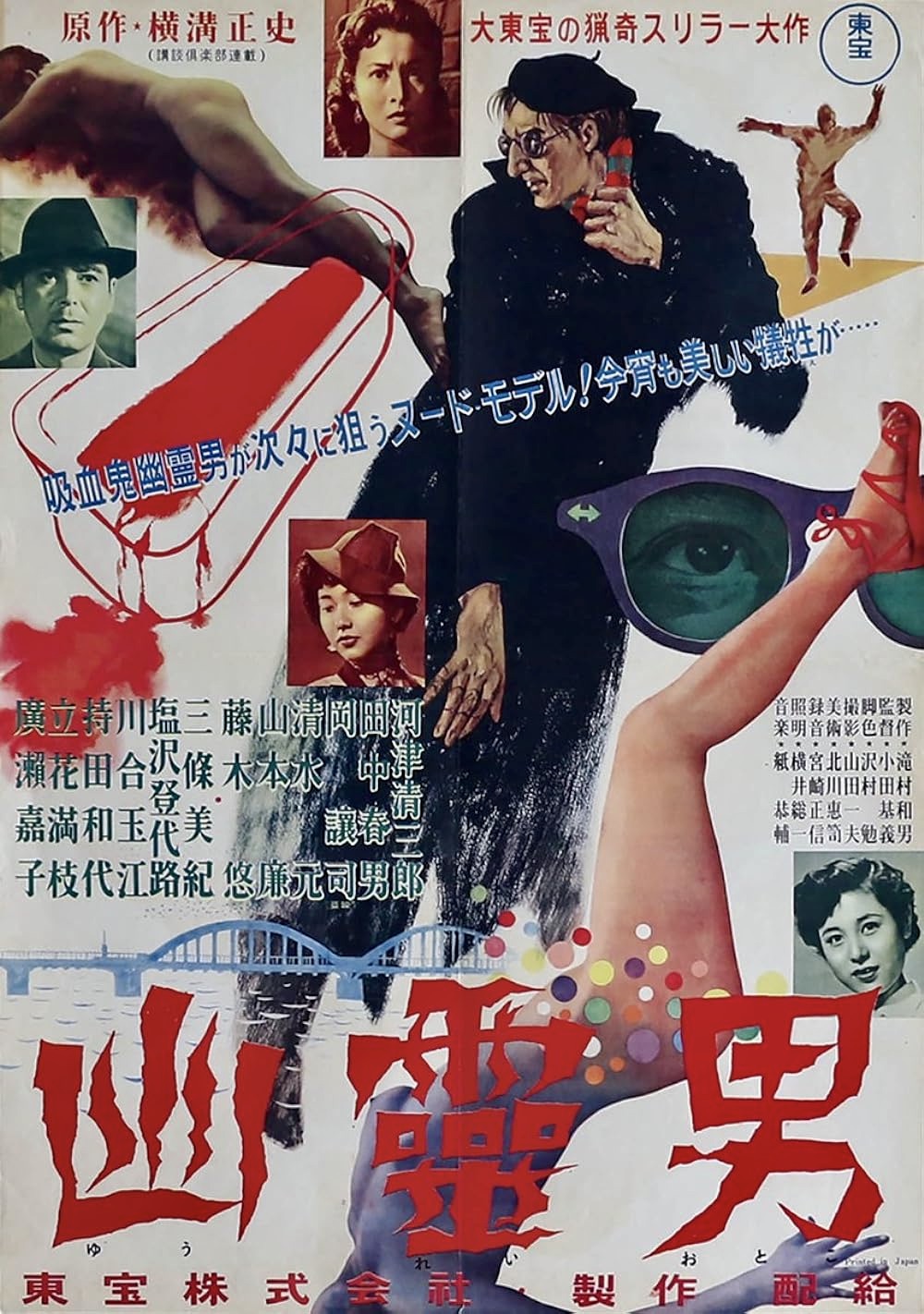
Detective Kindaichi vs. Ghostman Sagawa

The 1954 Japanese film poster for GHOST MAN.

Novelists who specialize in murder mysteries and thrillers with detective heroes are not exclusively British and American but practitioners of a worldwide literary tradition, especially in Japan where Edogawa Ranpo, Soji Shimada and Seishi Yokomizo are considered masters of the form. Yokomizo, for example, was so popular and prolific that he was often called the “Japanese John Dickson Carr,” a writer of American detective fiction who created such famous sleuths as Dr. Gideon Fell and Sir Henry Merrivale in his novels. Yokomizo became popular in the post-WW2 years with a series of “locked room” mystery thrillers that began with The Honjin Murders in 1946 featuring the detective hero Kosuke Kindaichi. Yet it wasn’t until 1954 when the character of Kindaichi was first portrayed on the screen by actor Seizaburo Kawazu in the murder mystery Yurei Otoko (English title: Ghost Man). It was the first of several Kosuke Kindaichi film adaptations but, for its era, it was also extremely racy for its female nudity as well as its disturbing narrative which follows the crimes of a cunning serial killer who preys on models.

Continue reading
Masks Are Powerful

The demonic mask featured in ONIBABA (1964), Kaneto Shindo’s classic tale of murder and retribution set in 14th century Japan.

There is one cinema gimmick that always works for me and can sometimes lift a movie out of the ordinary and take it somewhere unexpected. This usually occurs when someone either puts on a mask or appears in one. The simple act of doing this immediately brings something theatrical and visually arresting to the scene that taps into our subconscious on an almost primeval level.    

Continue reading

Monster Mash

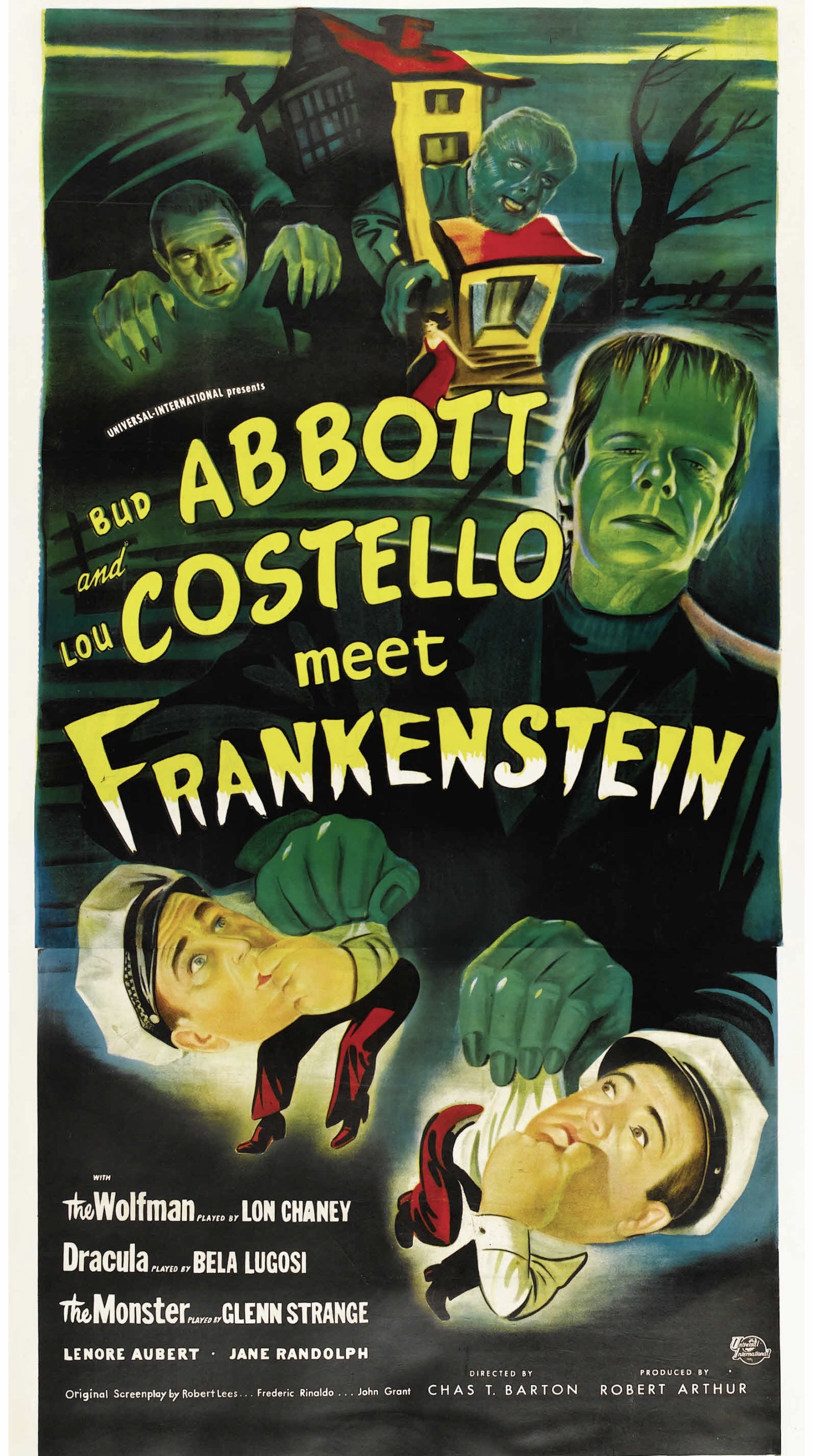
During the 1930’s and early forties, Universal Studios rode the crest of a horror film craze that made them rich and famously established them as the home of Frankenstein, Dracula, the Wolf Man, the Mummy and other screen monsters. But the fear factor was lost over time as their signature creatures were paraded through a series of inferior B-movie sequels. And in the minds of some horror film fans, the genre hit rock bottom with the release of Abbott and Costello Meet Frankenstein in 1948. Once capable of terrifying their audiences, the Universal monsters were now reduced to playing “straight men” to Abbott and Costello’s slapstick antics. Who could ever take them seriously again? Yet, Abbott and Costello Meet Frankenstein is both a first-rate horror-comedy that ranks as one of the comedy team’s finest efforts (and most profitable) and an affectionate homage to the screen horrors who gave us nightmares as kids.  

Continue reading

Second Sight

The gift of clairvoyance and the ability to predict the future is a plot device that has been well mined in the cinema from It Happened Tomorrow (1944) to Nightmare Alley (1947) to The Night My Number Came Up (1955). But one of the earliest and most intriguing presentations of this phenomenon can be found in the rarely seen 1934 release, The Clairvoyant (aka The Evil Mind). Made at an early stage in Claude Rains’ career when he was still accepting film work in both Hollywood and England and was not yet a contract player at Warner Bros., The Clairvoyant provides an excellent showcase for the actor as Maximus, the mind reader.

Continue reading