A Village Memoir

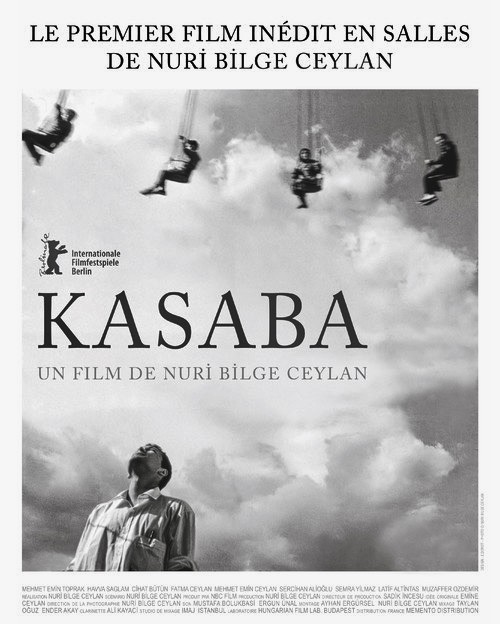
Some of the world’s most famous directors have made autobiographical features at some point in their careers with their childhood, family life or home town as the central focus. We have seen this in Federico Fellini’s Amarcord (1973), Ingmar Bergman’s Fanny and Alexander (1982), Richard Linklater’s Dazed and Confused (1993), Spike Lee’s Crooklyn (1994) and Steven Spielberg’s The Fabelmans (2022). Some directors even made their film debut with an autobiographical feature such as Francois Truffaut with The 400 Blows (1959) and Turkish director Nuri Bilge Ceylan can lay claim to this as well with Kasaba (English title: The Small Town, 1997), which is based on a short story by his sister Emin Ceyland entitled Cornfield. The movie depicts family life in a rural village in Turkey as seen through the eyes of a girl, Asiye, and her younger brother, Ali.  

Continue reading

Boy on a Mission

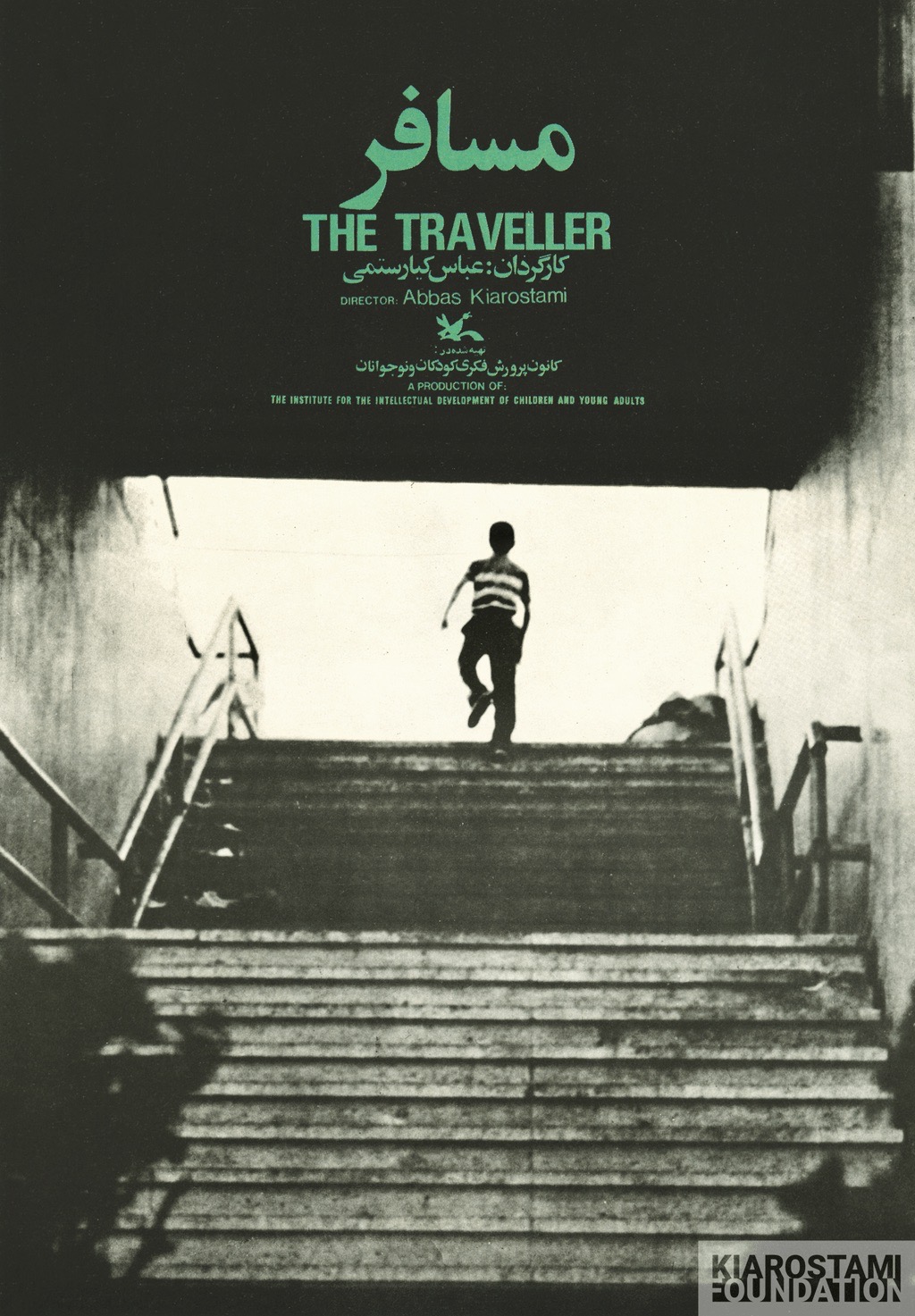
Qassam is a ten-year old living in the Iranian town of Malayer who is obsessed with soccer. When he isn’t skipping classes at school to play the game in back alleys, he is stealing money from his mother’s secret hiding place to buy soccer magazines. Considering the limited career choices available to Qassam after he finishes school, it is no wonder why soccer serves as the boy’s escape from reality. And his obsession becomes all-consuming when he learns that his favorite soccer team is coming to Tehran (which is approximately 385 miles away). He begins scheming of ways to raise the money required for the bus and game tickets. This is the basic premise of Abbas Kiarostami’s Mossafer (English title: The Traveler, 1974), which is both a parable about wanting something too much as well as an unsentimental portrait of an alienated and problematic kid in the tradition of Francois Truffaut’s The 400 Blows (1959).

Continue reading

A City or a Labyrinth?

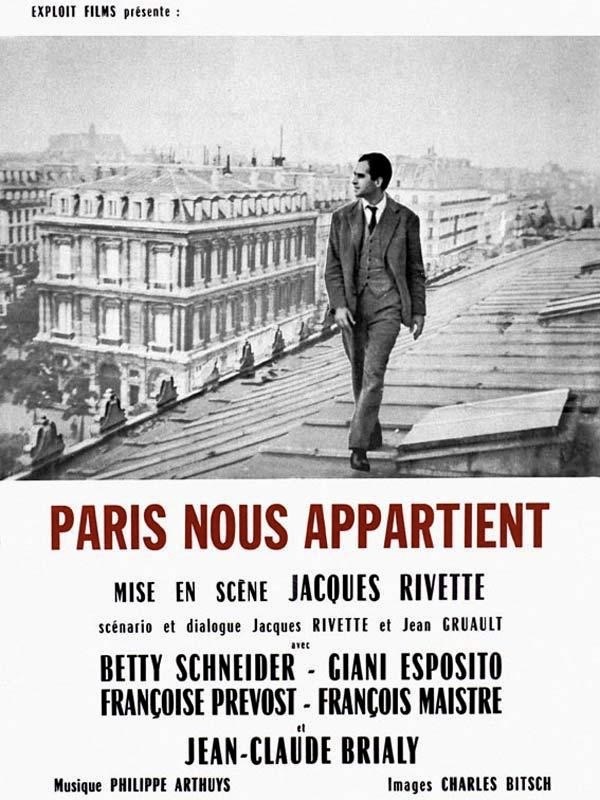
Whether by accident or design, French filmmaker Jacques Rivette is probably the least known member of the influential Nouvelle Vague movement of the late fifties though, like Jean-Luc Godard, Francois Truffaut, Eric Rohmer, and Claude Chabrol, he too was a former writer and film critic for Cashiers du Cinema. He even started production on his first feature length film, Paris Belongs to Us (French title: Paris Nous Appartient), in 1957, before Chabrol, Truffaut and Godard began work on what would become their universally acclaimed debuts of, respectively, Le Beau Serge (1958), The 400 Blows (1959) and Breathless (1960). Yet, despite the artistic and liberating impact the latter three films had on world cinema, Paris Belongs to Us might be the most ambitious, challenging and intellectually provocative film of the whole movement. It is also the darkest, waltzing toward an imagined or possibly real oblivion. The Homeland Security System would give it a code orange classification.       

Continue reading

A Childhood on the Run

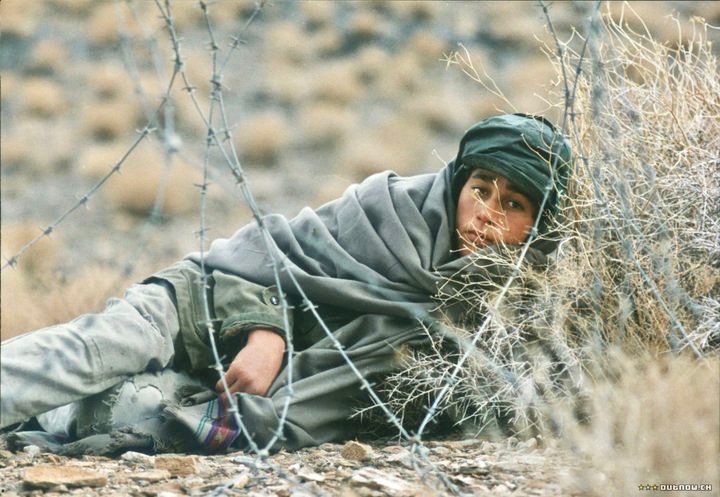
Kaim Alizadeh plays a 14 year old orphan on the run from border guards in Afghanistan in Delbaran (2001) from Iranian director Abolfazl Jalili.

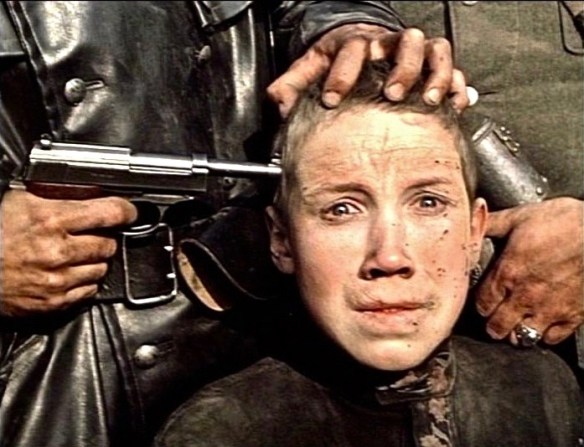
Although released in 2001 and greatly admired by many prominent film critics, Delbaran, directed by Iranian filmmaker Abolfazl Jalili, is not nearly as well known as other Iranian prize winners such as Abbas Kiarostami’s The Wind Will Carry Us (1999) or Mohsen Makhmalbaf’s Kandahar (2001) but deserves to be. The story focuses on Kaim, a fourteen-year-old war orphan trying to survive in a desolate Iranian village near the Afghanistan border. And the film is in the grand tradition of other renowned classics that feature child protagonists caught up in the madness of war such as Rene Clement’s Forbidden Games (1952), Andrei Tarkovsky’s Ivan’s Childhood (1962) and Elem Klimov’s Come and See (1985). The difference is that Delbaran is much more austere and understated than those better known masterworks.

A Russian youth (Aleksey Kravchenko) is captured by German troops in the harrowing WWII drama Come and See (1985), directed by Elem Klimov.

Continue reading