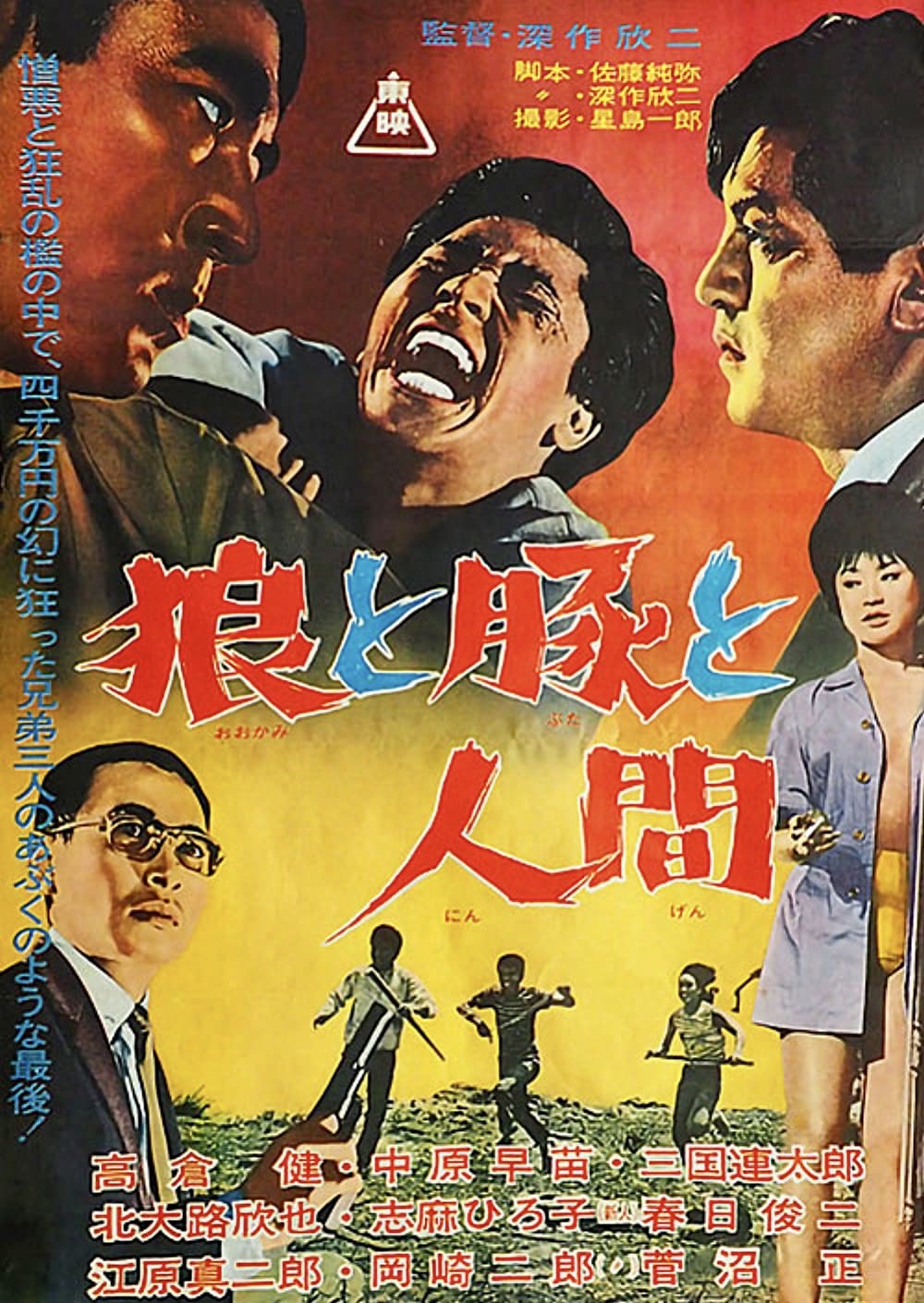
Among the many post-WW2 Japanese filmmakers who emerged in the 1960s and hit their stride in the seventies, Kinji Fukasaku was one of the most prominent and critically acclaimed directors in his own country but didn’t start to acquire a growing fan base in the U.S. until after 2000 when some of his masterworks began to appear on DVD such as the yakuza epic Battles Without Honor and Humanity aka The Yakuza Papers (1973), which launched a five-film franchise, and Battle Royale (2000), a controversial futuristic fable about institutionalized violence against problem teenagers. Over the years, Fukasaku has dabbled in numerous film genres from historical drama (Under the Flag of the Rising Sun, 1972) to sci-fi (Message from Space, 1978) and comedy (Fall Guy, 1982), but he is best known from his crime dramas, especially those which popularized the jitsuroku eiga genre. His documentary-like dramatizations based on real crimes often depicted yakuza figures as ruthless men operating without “honor and humanity” (in the title words of his breakthrough film). Even prior to his trend-setting crime thrillers of the mid-seventies, Fukasaku was turning out edgy, innovative work and Okami to Buta to Ningen (English title: Wolves, Pigs and Men) from 1964 is an explosive, nihilistic tale which qualifies as a rough-hewn, early masterpiece.
Continue readingTag Archives: Sydney Pollack
Searching for Kenyon Hopkins
How is it that one of the most distinctive and influential film composers of his generation is practically unknown today and almost all of his records out of print and unavailable in any reissue format? Of the many scores listed in his filmography only a few have been re-released on CD in recent years such as The Hustler, Downhill Racer and Baby Doll, which is already out-of-print, but what of the rest? 12 Angry Men, Wild River, Lilith, The Strange One, Mister Buddwing, This Property is Condemned, The Yellow Canary, The Fugitive Kind…and I haven’t even mentioned the space age bachelor pad music he created with the Creed Taylor Orchestra – Nightmare, Shock Music in Hi-Fi, Panic: The Son of Shock and more.
Continue readingImaginary Lover
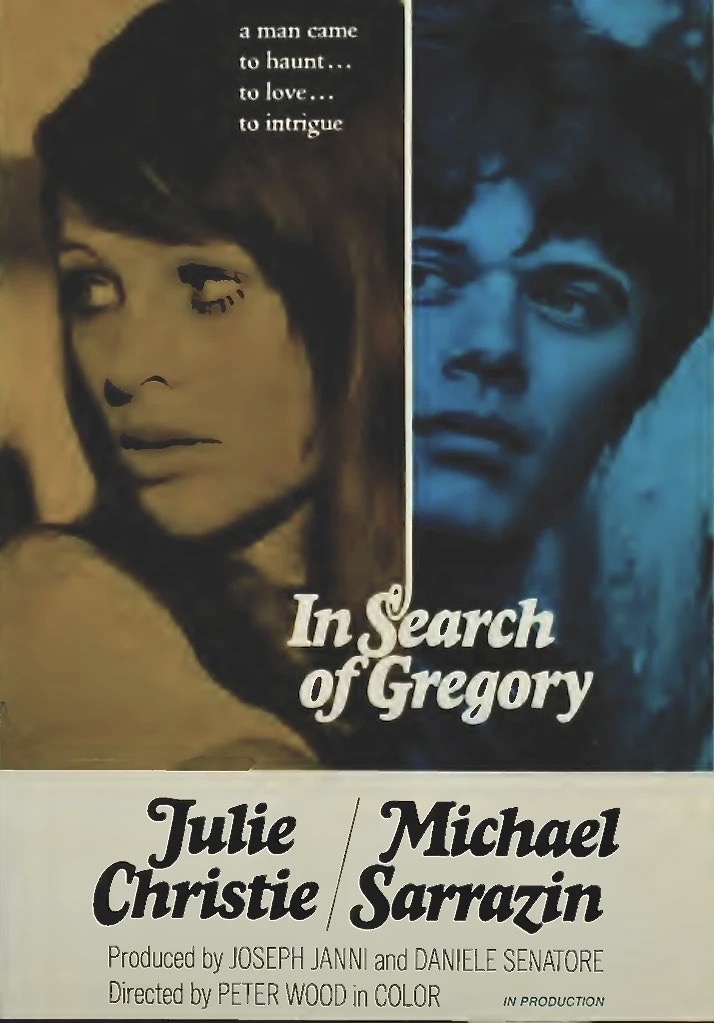
For better or worse, the 1960s was a time when commercial and experimental cinema occasionally collided, producing innovative, financially successful films such as Stanley Kubrick’s 2001: A Space Odyssey (1968) and Michelangelo Antonioni’s Blow-Up (1966), but more often high profile failures such as Tony Richardson’s The Sailor from Gibraltar (1967), Otto Preminger’s Skidoo (1968) and the unfortunate 1969 screen adaptation of Lawrence Durrell’s Justine. In Search of Gregory (1969), which was designed as a star vehicle for Julie Christie by producer Joseph Janni and followed her critically acclaimed performance in Petulia (1968), falls into the latter category.
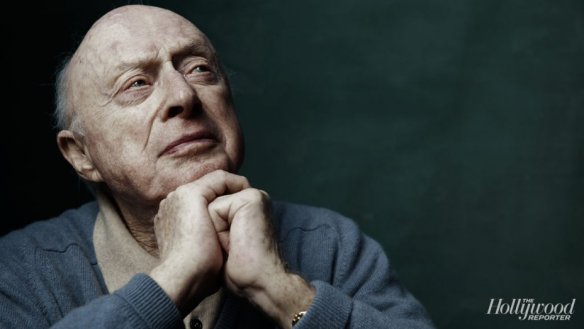
Continue readingNorman Lloyd: Hollywood’s Long Distance Runner, Part 2
*This is the second part of a revised and updated version of a Norman Lloyd interview which was first recorded in March 2010 just prior to the actor/director/producer’s appearance at the first Turner Classic Movies Classic Film Festival.
Here is the link to Part 1: https://cinemasojourns.com/2017/04/09/norman-lloyd-hollywoods-long-distance-runner/ Continue reading