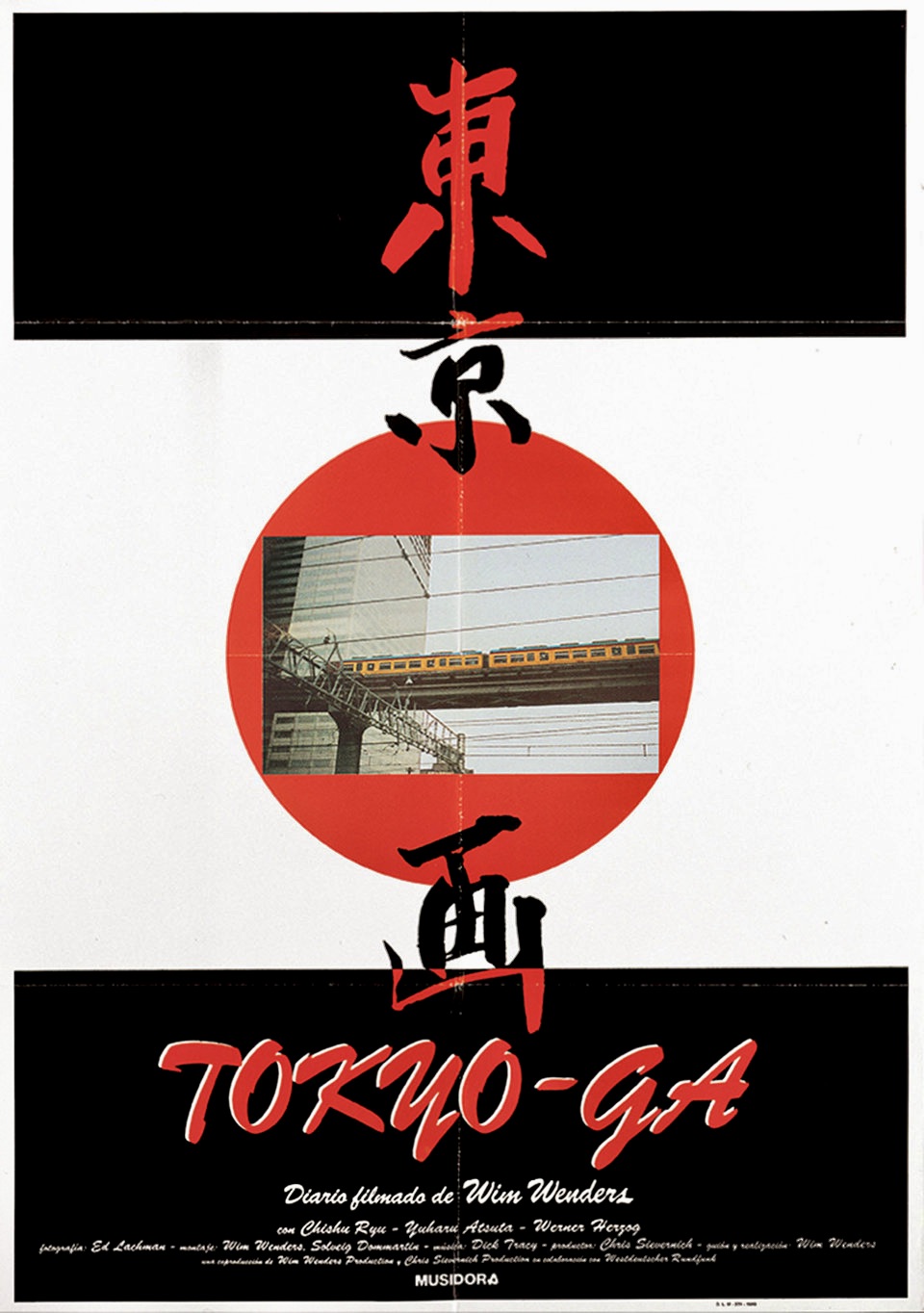
By the time Wim Wenders won the Palme d’Or at Cannes for Paris, Texas in 1984, he was well established as an internationally renowned director. He made his first big splash on the world stage in the early 1970s along with other New German Cinema directors (Werner Herzog, R.W. Fassbinder, etc.) with films such as The Goalie’s Anxiety at the Penalty Kick (1972) and Alice in the Cities (1974). Wenders had also dabbled with non-fiction-like formats in early experimental shorts, music videos and the Cannes-focused TV documentary of various film directors in Chambre 666 (1982). Yet, it was Tokyo-Ga 1985), the feature length portrait he made directly after Paris, Texas, that really triggered Wenders’s interest in not just non-fiction filmmaking but in Japan cinema and culture, especially the works of Yasujiro Ozu.
Continue readingTag Archives: Paris Texas
To Dream is To Fly
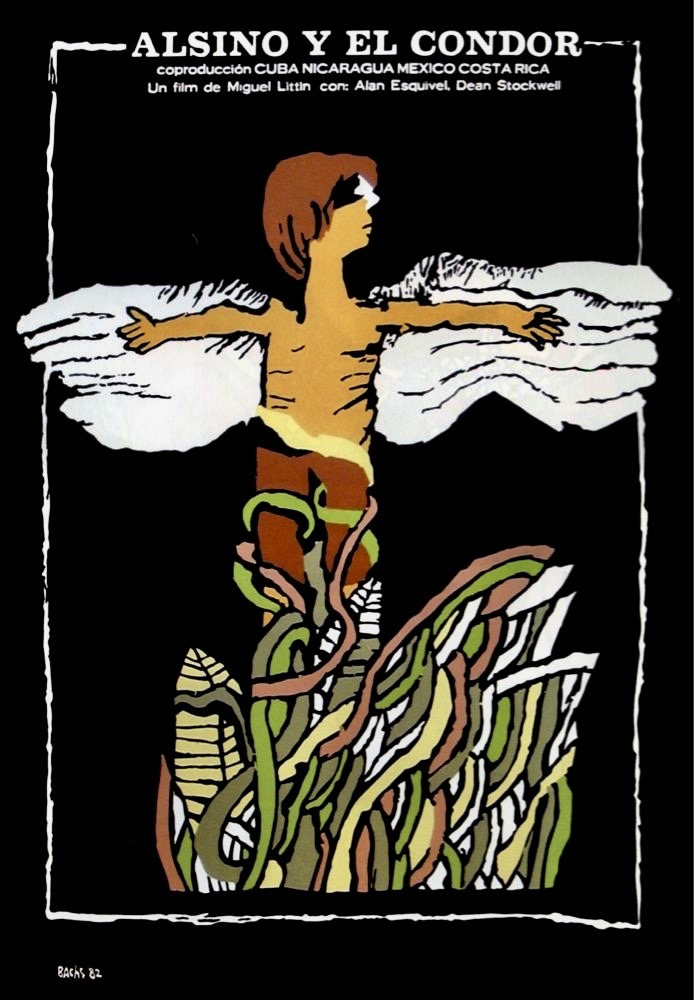
In 1979, the Somoza dictatorship of Nicaragua was overthrown by the FSLN (Sandinista National Liberation Front) and it led to a decades long war with the country’s National Guard and the U.S. backed Contras aligned against the left wing Sandinista forces. The conflict raged until 1990 and it was a terrible time for the people of Nicaragua, especially the peasants and native communities like the Miskito in rural areas. Although several documentaries have been made on the subject over the years such as Werner Herzog’s Ballad of the Little Soldier (1984), there have been few high-profile dramatic features about the conflict. One of the rare exceptions is Under Fire (1983), Roger Spottiswoode’s intense drama about three journalists (Nick Nolte, Gene Hackman and Joanna Cassidy) covering the final days of the corrupt Somoza regime. Another worthy contender is Alsino and the Condor (1982), directed by Miguel Littin, which was filmed on location in Nicaragua and was Oscar nominated for the Best Foreign Language Film. Unlike the more realistic approach of Under Fire, Alsino and the Condor functions more as an allegory and was loosely based on Pedro Prado’s famous 1920 novel Alsino about a young boy who dreams of flying like a bird.
Continue readingBernard Wicki’s Die Brucke

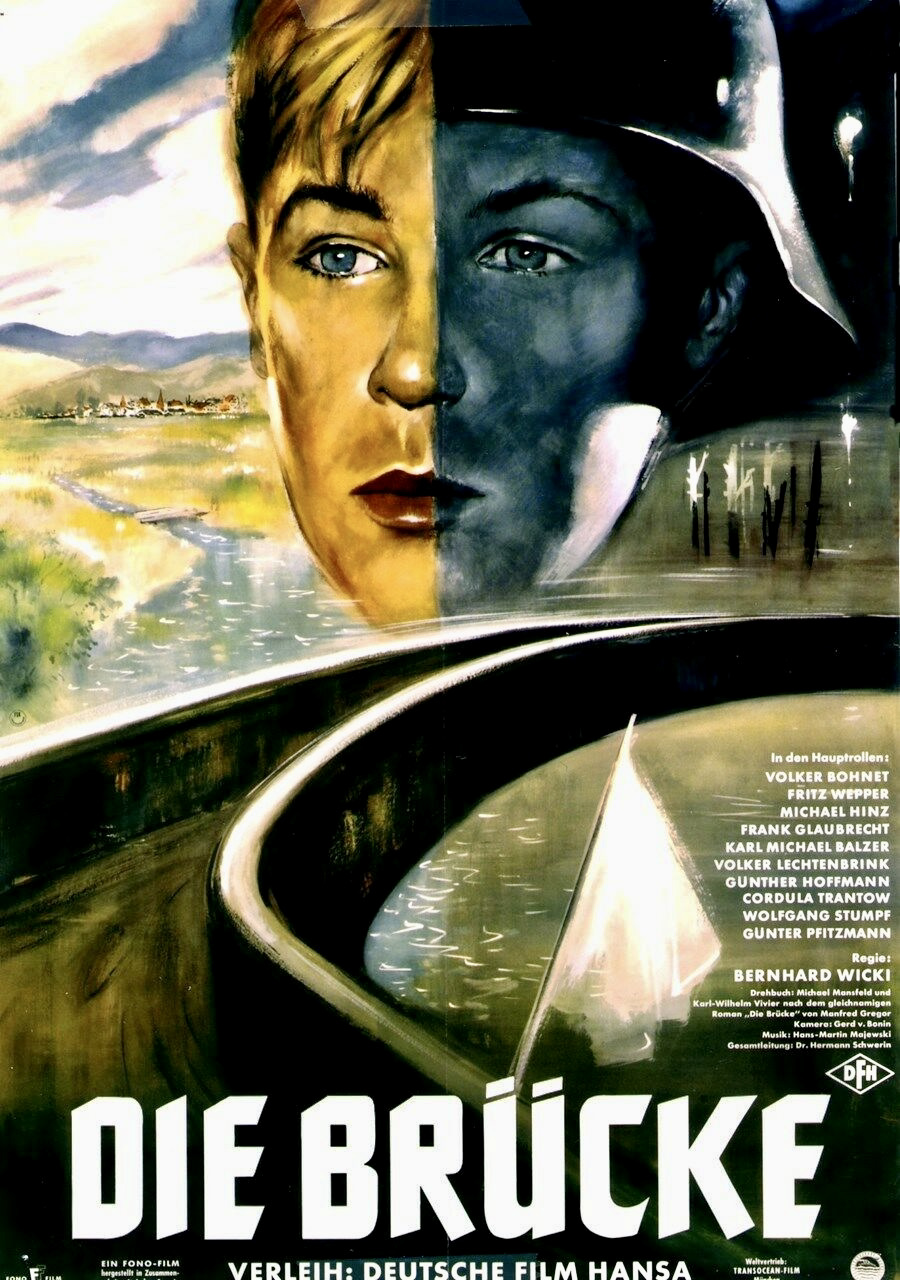
When film critics compile their favorite top ten lists of anti-war movies, you can usually expect to see titles like King Vidor’s The Big Parade (1925), Lewis Milestone’s All Quiet on the Western Front (1930), Stanley Kubrick’s Paths of Glory (1957), Kon Ichikawa’s Fires on the Plains (1959), Wolfgang Petersen’s Das Boot (1981) and Elem Klimov’s Come and See (1985) among the favored elite. It has only been in recent years that Bernhard Wicki’s The Bridge (German title: Die Brucke) has popped up on lists, thanks in part to The Criterion Collection, which remastered it on DVD and Blu-ray in June 2015. Almost forgotten since its original release in 1959, the film is just as powerful and moving as it was over sixty years ago.
Continue reading