Henri-Georges Clouzot’s Le Corbeau

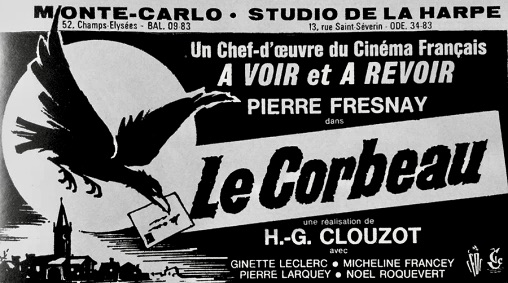
In a small village in rural France, an anonymous writer sends a series of poison-pen letters to selected residents. Signed with the mysterious name of “Le Corbeau”, the letters accuse the new physician in town, Dr. Remy Germain (Pierre Fresnay), of adultery and performing abortions. While the townspeople are scandalized by this information, it soon becomes apparent that Dr. Germain is not the only target of this vicious character assassination and that other respected members of the community will soon be victimized, their most shameful secrets exposed to all by “The Raven.” Soon, the villagers begin turning on each other, creating an atmosphere of increasing paranoia and mistrust that culminates in murder, suicide and an angry mob scene. There might not be a more misanthropic view of humanity than Le Corbeau (aka The Raven, 1943), directed by Henri-Georges Clouzot (The Wages of Fear, 1953), but the movie is not only a dark, brilliantly conceived melodrama which unfolds like a suspense thriller but a cautionary character study of how fear of others brings out the worst in everyone.

Continue reading
Roll the Credits

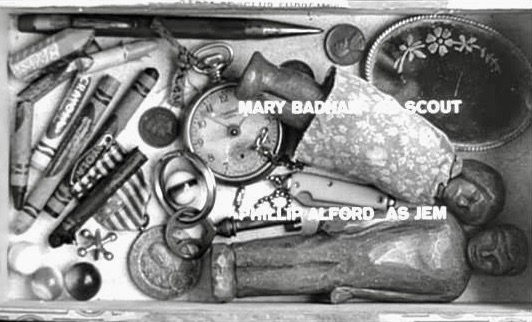
An example of Stephen Frankfurt’s iconic title treatment for the 1962 film TO KILL A MOCKINGBIRD.

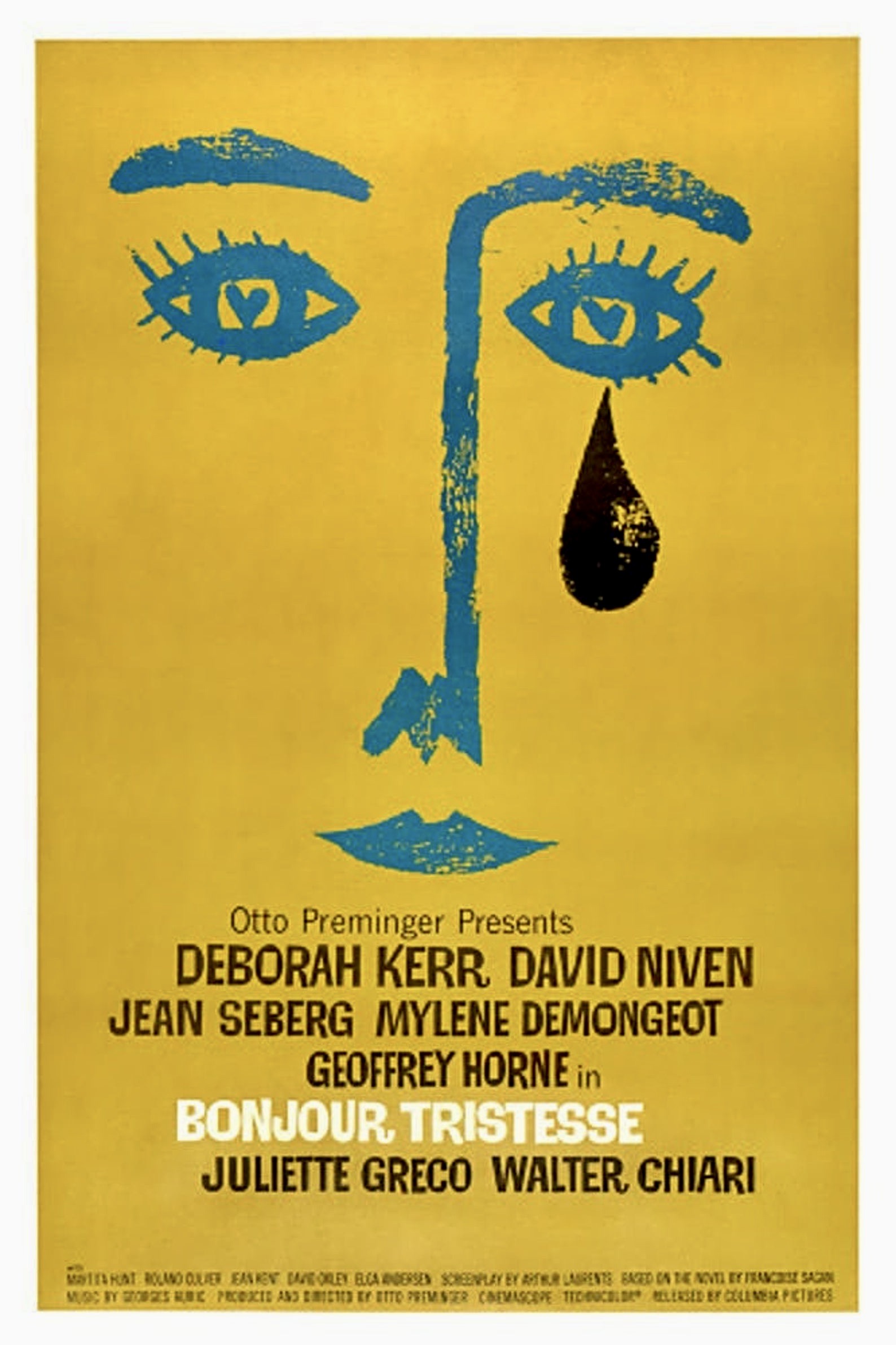
In their increasing eagerness to capture a wider viewing audience for their annual awards ceremony, you would think the Academy of Motion Picture Arts & Sciences would create a few more categories that could generate some genuine interest with the average moviegoer. How about Best Title Credits? It’s an art form in its own right. Graphic designer Saul Bass certainly proved that years ago with his innovative opens for the films of Otto Preminger (Carmen Jones, The Man With the Golden Arm, Saint Joan, Bonjour Tristesse, Anatomy of a Murder, Advise and Consent, Exodus, The Cardinal and several more) and Alfred Hitchcock (Vertigo, North by Northwest, Psycho). Other title designers you might recognize are Stephen Frankfurt (To Kill a Mockingbird, Rosemary’s Baby), Pablo Ferro (Dr. Strangelove, Being There) and Maurice Binder (Dr. No, Charade). Even before them, opening title credits were a key component of the film, often setting the tone and even encapsulating the movie’s theme or storyline into a compact visual nugget.

Continue reading

Behind the Scenes on Bonjour Tristesse

When Otto Preminger announced in 1957 that his next project would be Bonjour Tristesse, based on the best-selling novel by Francoise Sagan, and that it would star Jean Seberg, colleagues and fellow members of the film industry were astonished. After all, his previous film, Saint Joan (1957), which featured Seberg in her film debut, was probably the biggest critical and commercial disaster of Preminger’s career with most of the negative reviews focusing on the inexperienced newcomer whom Preminger had “discovered.” Was Bonjour Tristesse (1958) his attempt to prove to everyone that he was not wrong about Seberg and that her performance in his new movie would validate all the time and effort he had poured into making her an actress? The real reasons, of course, were more complicated than that. 

Continue reading

Tone Deaf

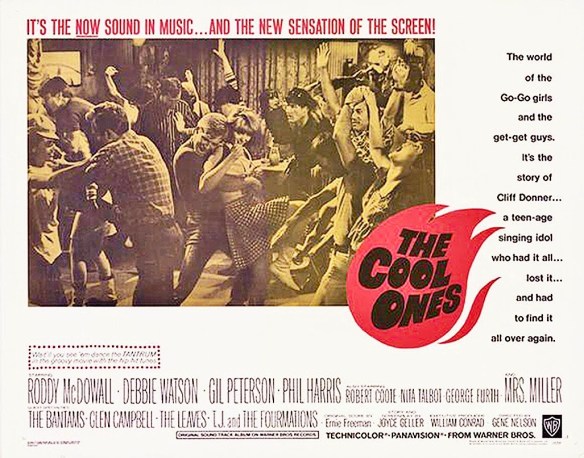
Everyone loves a good satire and the music industry always makes a great target with such superior examples of the form as The Girl Can’t Help It (1956), Head (1968) and This Is Spinal Tap (1984). The Cool Ones (1967), the story of a has-been pop idol and an aspiring singer teaming up to become the next big thing, certainly deserves credit for taking a lighthearted, broadly comic approach to the world of greedy record executives, egomaniacal producers, opportunistic promoters and wildly ambitious musicians. But the film is so hopelessly out of step with its intended audience and played at such a manic pitch that it approaches the infamous badness of Skidoo (1968), Otto Preminger’s mind-boggling mashup that pits gangsters against hippies.  Continue reading

Missing in Action: Birds in Peru Starring Jean Seberg

Jean Seberg in Birds in Peru (1968)

Jean Seberg in Birds in Peru (1968)

There is a popular misconception these days that almost any movie you want to see is available for streaming or viewing somewhere in cyberspace but that simply isn’t true. Thousands of films go missing, become inaccessible or go into distribution purgatory as the years pass and they become forgotten in time. Birds in Peru (aka Birds Come to Die in Peru) would probably be forgotten too if it hadn’t received such scathing reviews upon its original release in 1968.     Continue reading