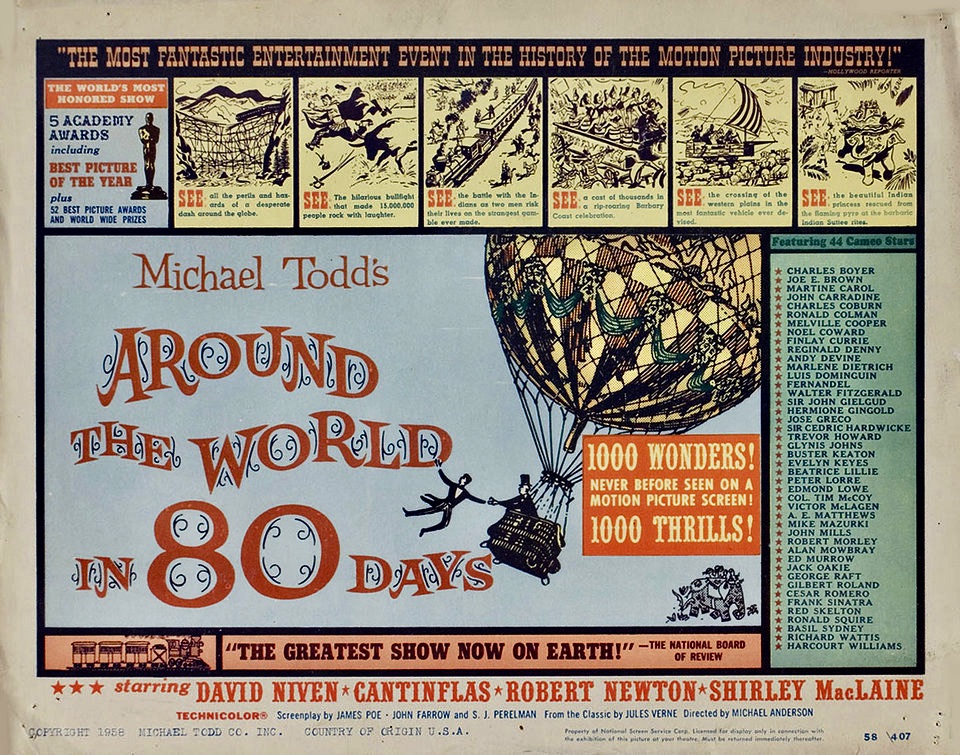
All of us have probably walked out on a movie at the theatre at some point in our lives but how often have you been forced to leave a film due to circumstances beyond your control? The few times this has happened to me are ingrained in my memory probably because it was such a rare occurrence…and because the interrupted scene and the movie itself never received the proper closure. In other words, a simple case of cinema interruptus (the Latin word for interrupted). The films in question are Around the World in 80 Days (1956), Cat on a Hot Tin Roof (1958), Don’t Give Up the Ship (1959) and Cat Ballou (1965).
Continue readingTag Archives: Jerry Lewis
Hucksters, Phonies and Rubberneckers

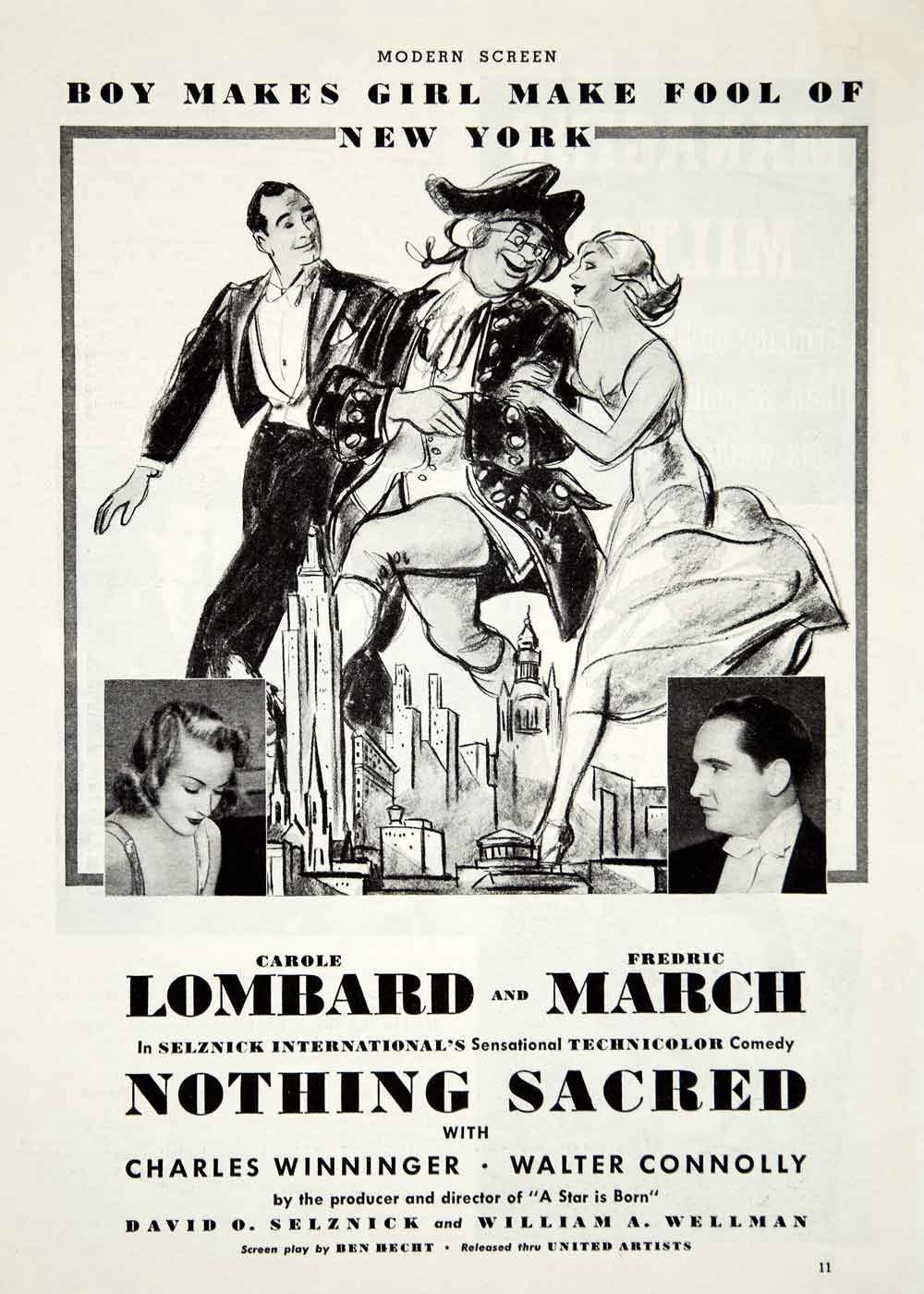
Nothing Sacred (1937) is a key film in that short-lived genre known as ‘the screwball comedy,” a unique Hollywood creation that flourished between 1933 and 1940. Distinguished by its eccentric characters, irreverent humor, and breakneck pacing, these films usually featured privileged but irresponsible characters running amok against the backdrop of the Great Depression when society was in turmoil. But while the idle rich were mercilessly lampooned in the most popular screwball comedy of the previous year – My Man Godfrey (1936) – the whole human race gets dished in Nothing Sacred, from the newspaper industry to a public that enjoys reading sob stories about someone else’s misfortune.
Continue readingBlackpool is Calling
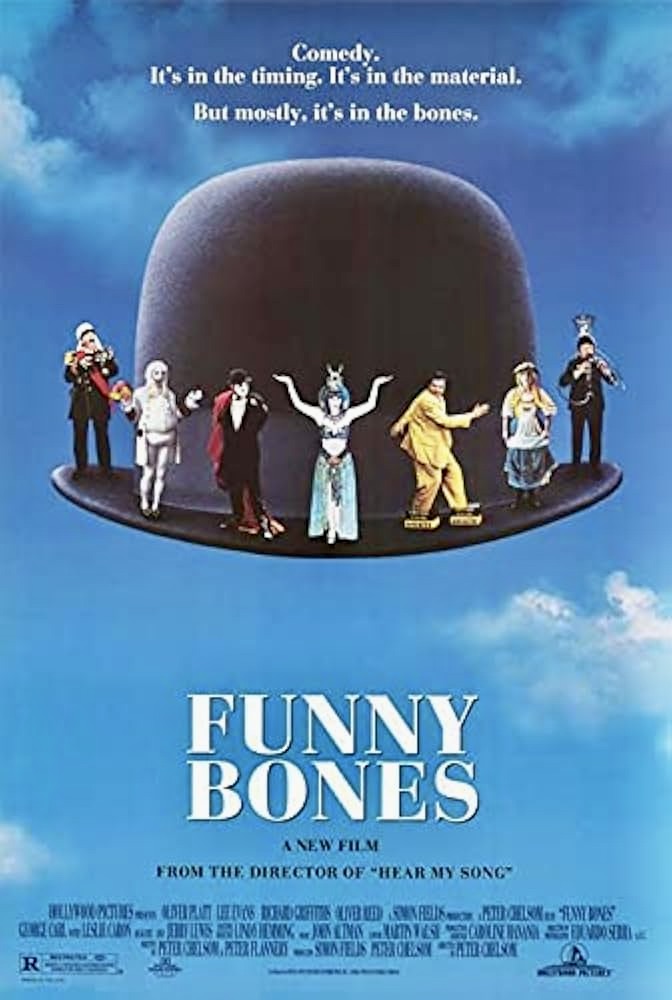
1995 was an exceptionally strong year for film releases, not just in the U.S. but around the world. To give you some idea of the diversity and range, consider the following movies, some of them Oscar winners or nominees: Pulp Fiction, Ed Wood, The Madness of King George, La Haine, The Adventures of Priscilla, Queen of the Desert, Hoop Dreams, Queen Margot, Speed, Eat Drink Man Woman, The Lion King, Three Colors: Red, The Shawshank Redemption, The Lost City of Children, and Forrest Gump. An eclectic list to be sure but one of my favorite movies somehow got lost and overlooked in the mix – Peter Chelsom’s Funny Bones, which is mostly set in Blackpool, England, a popular tourist resort originally built as a vacation destination for working class families during the late 1800s.
Continue readingRupert Pupkin’s Stand-Up Act
Some movies are prescient or ahead of their time but audiences and film critics often don’t notice until many years after the original release. Sidney Lumet’s Network (1976), written by Paddy Chayefsky, is one example, but so is The King of Comedy (1983), which unlike Network, was a major box office bomb for director Martin Scorsese and received mixed reviews from the critics. Yet, it seems more relevant than ever about the cult of celebrity and the public’s obsession with the rich and famous. Although The King of Comedy was promoted as a comedy, some critics and moviegoers found the film too dark and disturbing and felt Rupert Pupkin, the title character, was just as delusional and dangerous in his own way as Travis Bickle, the anti-hero of Scorsese’s Taxi Driver (1976).
Continue reading