The Dark Side of Robert Young

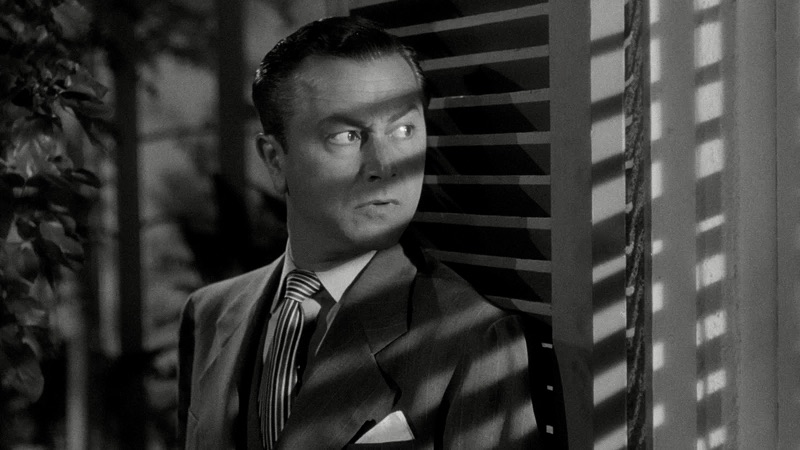
Robert Young plays an embezzler and a womanizer whose luck runs out in THEY WON’T BELIEVE ME (1947), an underrated film noir.

When most baby boomers think of actor Robert Young, they probably recall his popular TV medical series Marcus Welby, M.D. (1969-1976) where he was the epitome of the kind, compassionate doctor or they remember Jim Anderson, the perfect dad in the all-American family sitcom Father Knows Best (1954-1960). He was also typecast as “Mr. Nice Guy” in most of his Hollywood films, playing cheerful romantic leads or the leading man’s best friend or some other debonair, noble or well-intentioned character who rarely made a strong impression compared to more assertive male leads like Clark Gable, Gary Cooper or Spencer Tracy. But there were several occasions when Young discarded his good guy image by playing shadowy characters, outright villains, or damaged human beings.  Among these atypical casting choices, Young is most memorable in Alfred Hitchcock’s Secret Agent (1936) as an undercover spy, a budding fascist in The Mortal Storm (1940), a shellshocked and physically maimed war veteran in The Enchanted Cottage (1945), a complete cad and accused murderer in the underrated film noir They Won’t Believe Me (1947), directed by Irving Pichel, and an architect who is suspected of being a dangerous criminal in The Second Woman (1950).
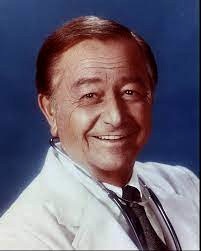
Robert Young as the star of the popular TV series, MARCUS WELBY, M.D. (1969-1976).
Continue reading

Anthony Mann’s Overlooked Western

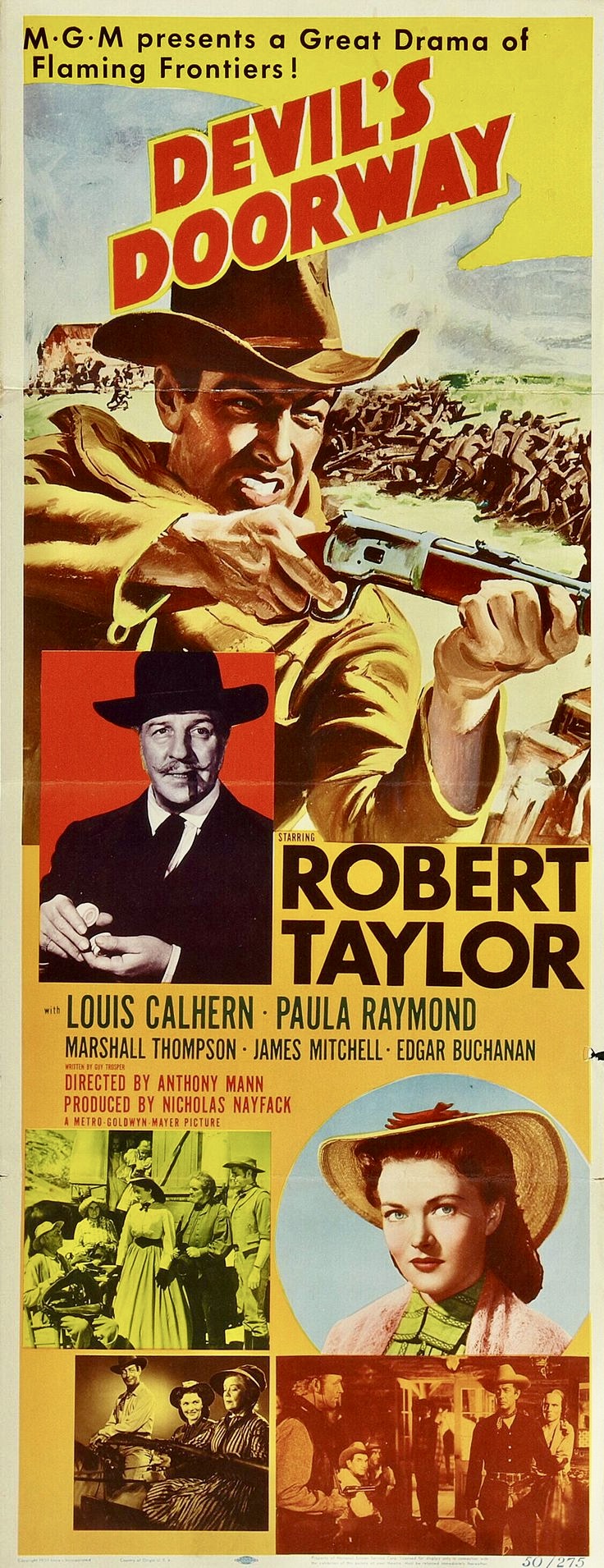
1950 marked an important turning point in the evolution of the Hollywood Western and Broken Arrow, directed by Delmer Daves, was largely responsible for that. A sympathetic treatment of the plight of the Apache people and their way of life, the film was the first major studio western to depict Native Americans as something other than bloodthirsty savages or naive primitives. The real hero of Broken Arrow was Cochise (Jeff Chandler), the Apache leader, and not the cavalry scout (James Stewart) who marries an Apache woman (Debra Paget). The film’s liberal views on race and the white man’s treatment of the Native-American were considered daring at the time and garnered much critical acclaim. It also earned three Oscar nominations including one for Best Screenplay (by Michael Blankfort). The downside of all this is that Broken Arrow‘s success completely overshadowed Devil’s Doorway, which was released the same year and also addressed the terrible treatment of this nation’s original settlers.

Continue reading

Life is a Carnival

The Japanese film poster for THE WIND-OF-YOUTH GROUP CROSSES THE MOUNTAIN PASS (1961).

Most Japanese film fans and cult movie buffs are certainly familiar with maverick director Seijun Suzuki for his ultra-stylish and unconventional yakuza thrillers Tokyo Drifter (1966) and Branded to Kill (1967). Not as well known are the numerous genre films he was assigned by his studio Nikkatsu in the late fifties/early sixties. One of his most atypical efforts is The Wind-of-Youth Group Crosses the Mountain Pass (Japanese title: Toge o wataru wakai kaze, 1961), which is like a more adult variation on James Otis Kaler’s Toby Tyler or Ten Weeks with a Circus except, in this case, the protagonist is not a kid but a college student majoring in economics. There is also no circus, just a traveling carnival troupe with an uncertain future. Yet, the tone is surprisingly upbeat and cheerful with moments of slapstick comedy, musical interludes, dramatic incidents and a subplot involving competitive yakuza gangs, who are closer to bumbling schoolyard bullies than menacing gangsters.

A massive lantern float lights up the nightime sky in THE WIND-OF-YOUTH GROUP CROSSES THE MOUNTAIN PASS (1961), a Japanese film about a traveling carnival troupe.
Continue reading

Dietrich and von Sternberg’s Last Tango

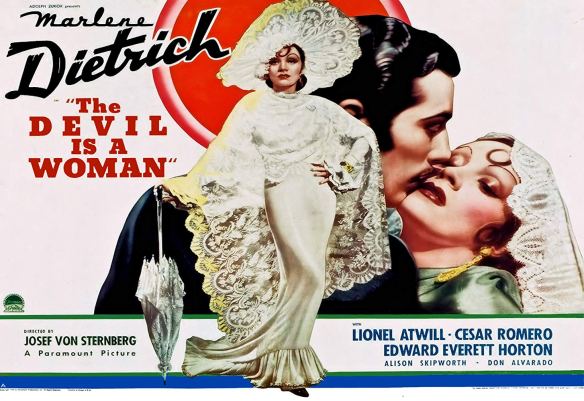
When The Scarlet Empress (1934), Josef von Sternberg’s lavish historical epic starring Marlene Dietrich as Catherine the Great, proved to be a critical and commercial disaster for Paramount, the director realized his days were numbered at the studio. So why not go for broke in one last picture? The result was The Devil is a Woman (1935). Continue reading