Kafkaesque

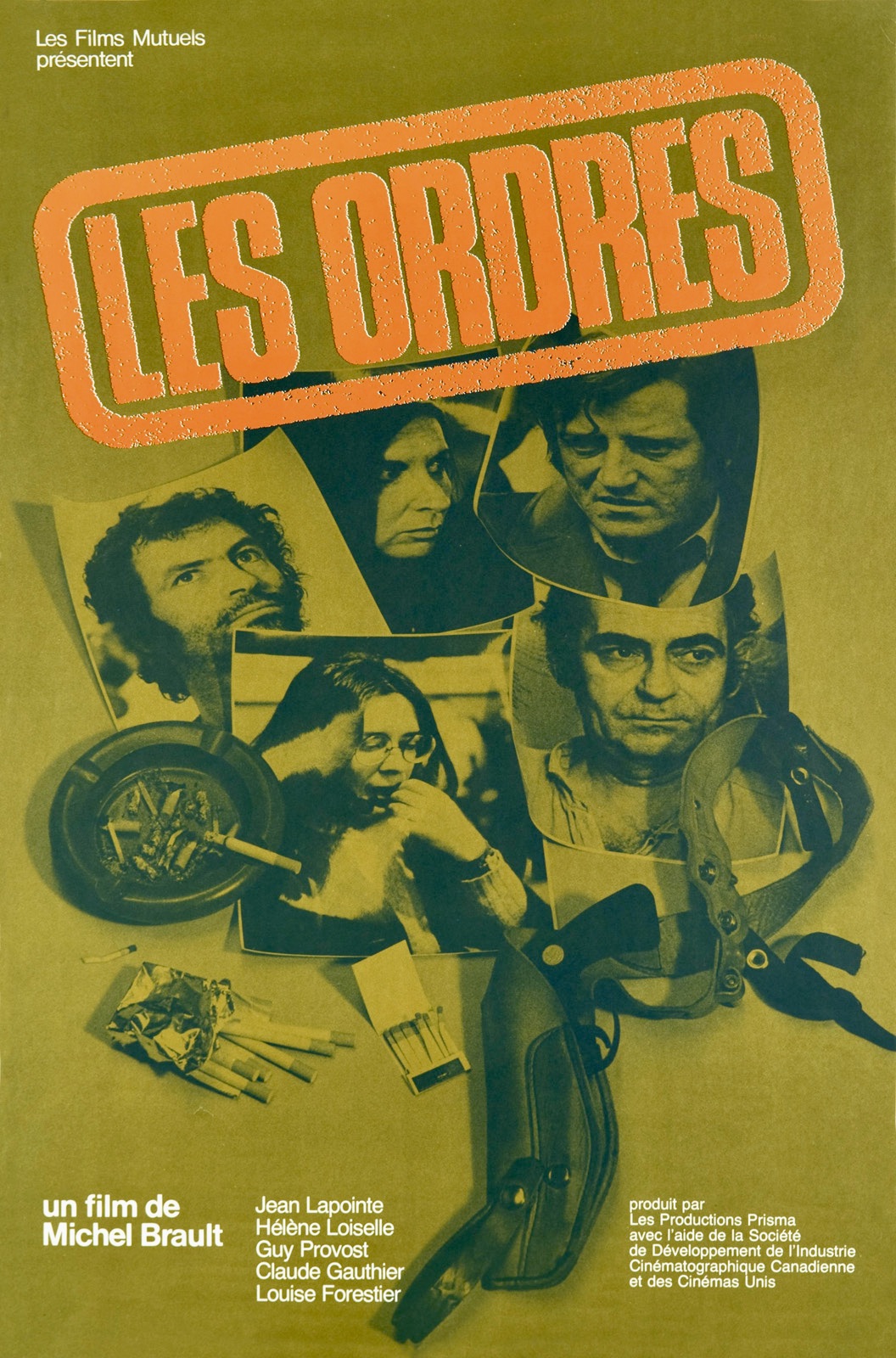
In October of 1970, the Canadian government was thrown into a state of turmoil by the actions of Front de Liberation du Quebec (FLQ), a terrorist group that wanted to achieve independence for Quebec and make it a socialist province. After the FLQ first kidnapped British diplomat James Cross on October 5th and followed it up with the abduction of Quebec Cabinet Minister Pierre Laporte five days later, Pierre Trudeau, Canada’s Prime Minister, called in the army and invoked the War Measures Act, which gave the police complete authority to arrest and interrogate anyone deemed suspicious, regardless of whether there was any evidence or not. Over 400 people were rounded up and subjected to numerous human rights abuses before being released, some after more than 21 days in jail. Les Ordres (1974), a cinema verite dramatization of this incident by Canadian director/cinematographer Michel Brault, follows the travails of five suspects, based on the actual transcripts of their incarceration.

Continue reading

The Stiletto Club

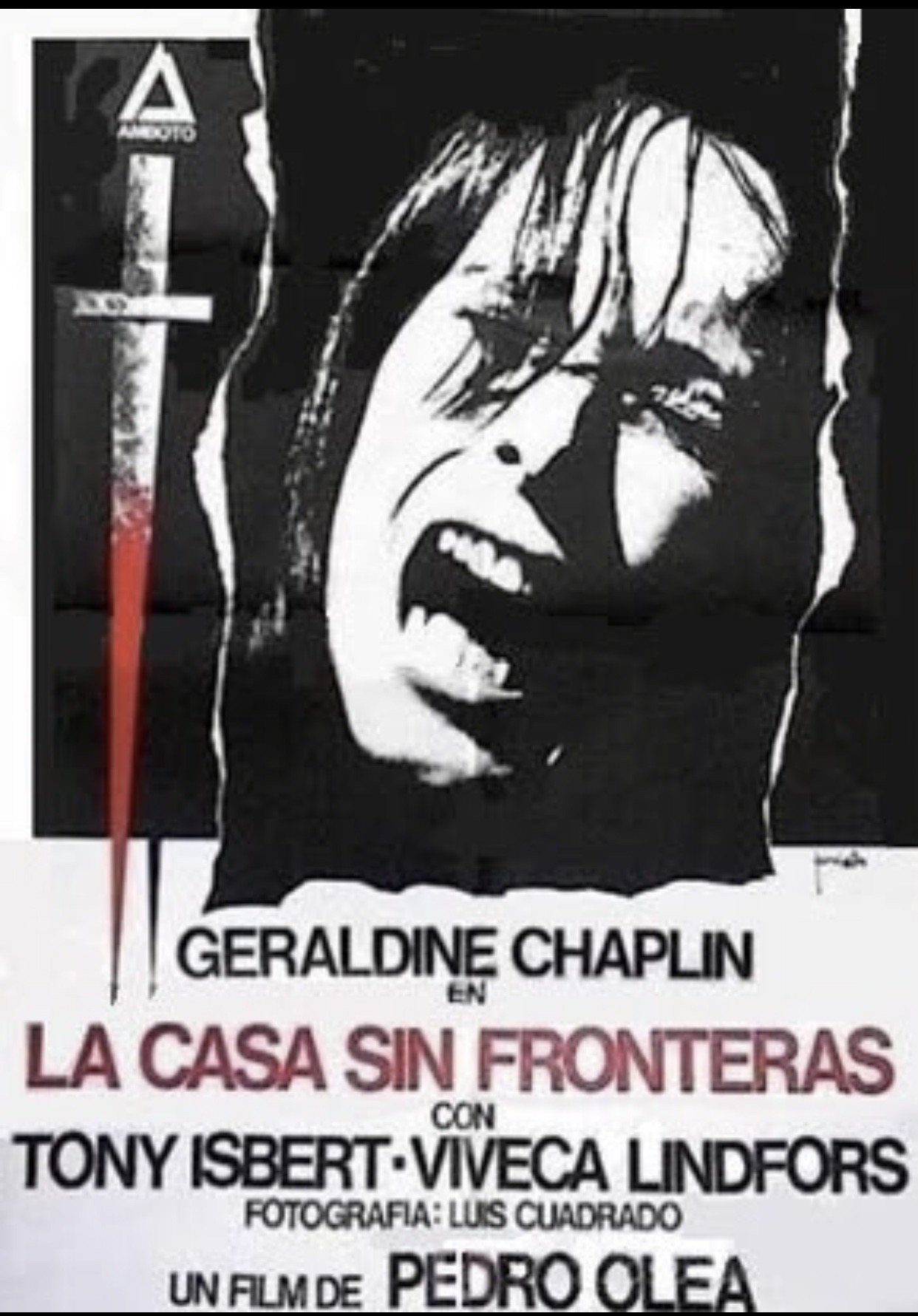
Conspiracy thrillers have been a popular subgenre in movies ever since the silent era with such memorable entries as The Ace of Hearts (1921) in which Lon Chaney stars as a member of a secret society that gets rid of people deemed unfit to live among them. Alfred Hitchcock’s The 39 Steps (1935) is an equally menacing early talkie classic and The Manchurian Candidate (1962), about a brainwashed ex-military hero being controlled by political subversives, is probably the best-known representative of all. However, it wasn’t until the 1970s that conspiracy thrillers reached an all-time high in popularity as witnessed by such iconic Hollywood releases as The Parallax View (1974), The Conversation (1974), Three Days of the Condor (1975), Capricorn One (1977) and The Boys from Brazil (1978). Other countries contributed their own variations on the genre like Spain, which released La Casa sin Fronteras (English title: The House Without Frontiers), a deeply unsettling effort from director Pedro Olea, which was made while General Franco was still in power and which prefigures the paranoid scenarios made popular by The Parallax View and others.

Continue reading

In the Kingdom of G

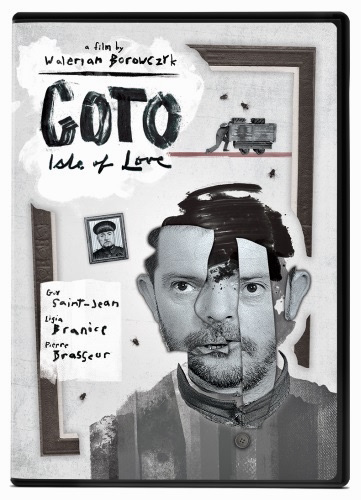
In the film world of the 20th century, there were not too many animators who made the transition to live action feature film directing. Certainly Frank Tashlin was one of the most famous, going from Porky Pig and Daffy Duck cartoon shorts to manic pop culture comedies like The Girl Can’t Help It (1956) and Hollywood or Bust (1956). Another rare exception was George Pal, who became famous for his Puppetoon shorts for Paramount before establishing himself as a director of fantasy features such as Tom Thumb (1958) and The Time Machine (1960). It is far easier to name more contemporary filmmakers like Terry Gilliam, Tim Burton and Brad Bird,  all of whom graduated from cartoons to live-action features successfully. The above are all artists who worked in the commercial cinema but, if you are talking about art cinema, the list is much smaller and Polish animator Walerian Borowczyk should be in the top slot. Goto, Island of Love (1969, Polish title: Goto, I’ile d’amour), his feature film debut, is a fascinating achievement that successfully brings the avant-garde sensibilities of his animated shorts to a live action feature.

Continue reading