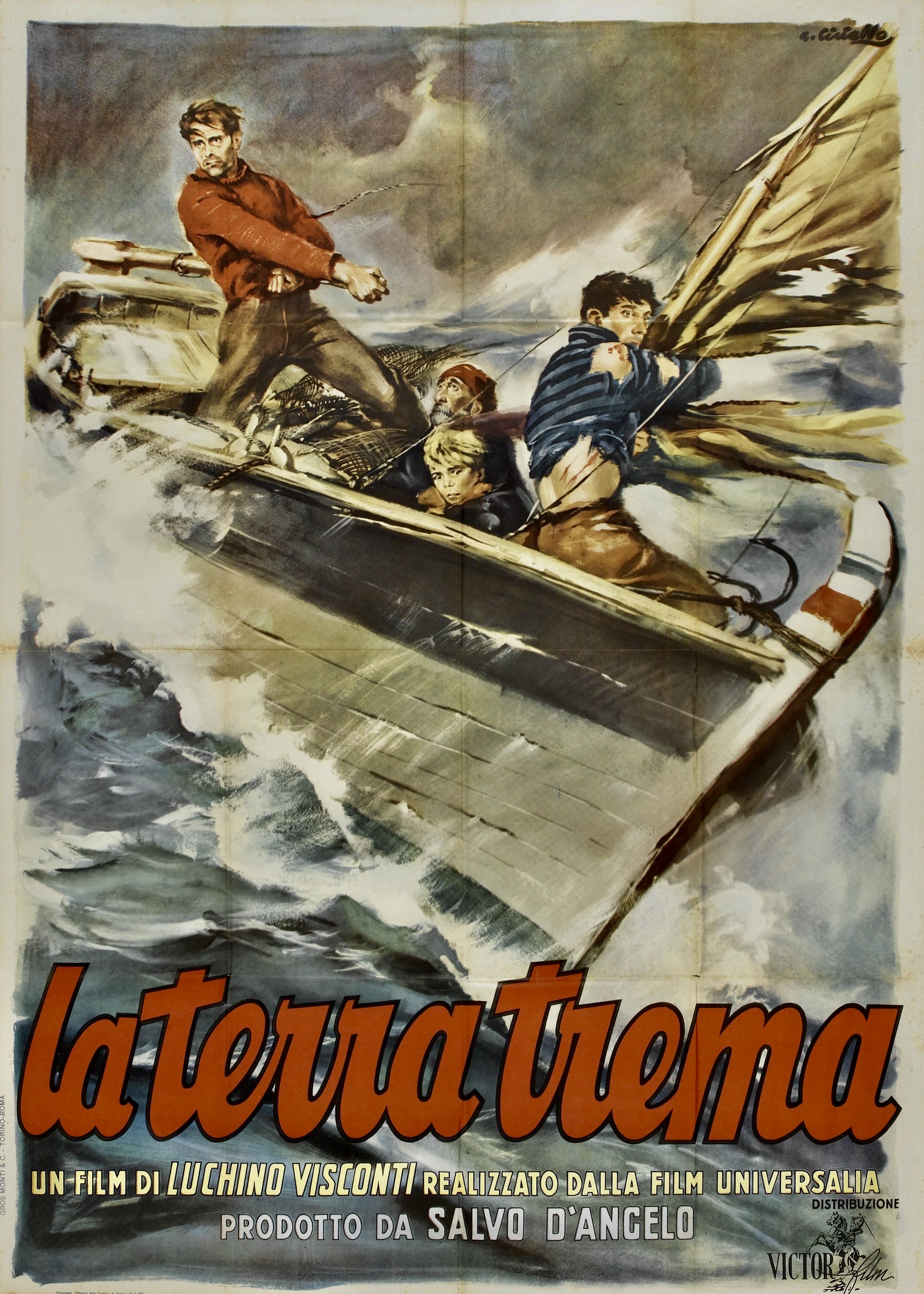
Every film lover remembers a point when they begin to view cinema as an art form and not just ephemeral entertainment. A turning point for me was the PBS series Film Odyssey, which presented classics from the Janus Collection, hosted by Los Angeles Times’ film critic Charles Champlin in 1971. That marked my first exposure to Ingmar Bergman (Wild Strawberries), Federico Fellini (La Strada), Jean Cocteau (Beauty and the Beast) and Akira Kurosawa (Rashomon), among others. But it was the film history class I took at the University of Georgia in 1974 that really opened my eyes to the possibilities of film as a creative medium. I learned about the auteur theory in that class with screenings of Sam Fuller’s The Steel Helmet and Nicholas Ray’s Bigger Than Life and developed an appreciation for silent cinema (D.W. Griffith’s Orphans of the Storm, Aleksandr Dovzhenko’s Earth) and the virtues of the Studio System (represented by George Sidney’s Scaramouche and Leo McCarey’s An Affair to Remember). What made the biggest impact on me, however, were the Italian neorealism films of the post-WW2 era, especially Luchino Visconti’s La Terra Trema [1948] (The English translation is The Earth Trembles).
Continue readingTag Archives: Francesco Rosi
On the Loose in Amsterdam
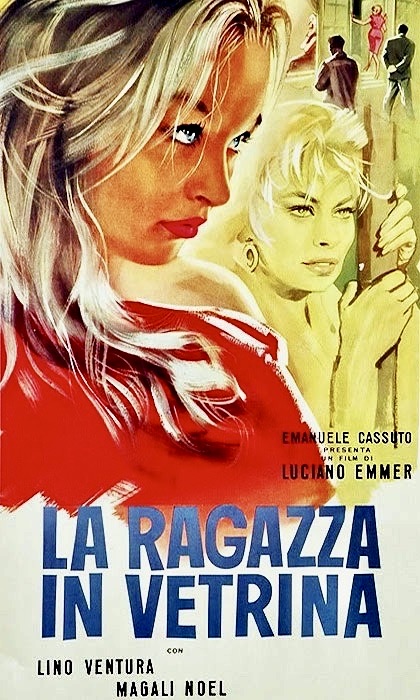
The controversial problem of immigration in Italy has been a problem for decades, not just with internal migration of workers from the south to the north, but also with the influx of refugees from Africa and other areas around the Mediterranean. Not surprisingly, there have been numerous Italian films to address this situation over the years but only a handful of them have received praise and recognition outside their own country. Among them are Pietro Germi’s Il Cammino della Speranza (The Path of Hope, 1950), in which a group of Sicilian workers try to emigrate illegally to France, I Magliari (The Swindlers, 1959), Francesco Rosi’s drama about an out-of-work Italian miner (Renato Salvatore) in Germany, and Lina Wertmuller’s Tutto a Posto e Niente in Ordine (All Screwed Up, 1974), which focuses on immigrants from southern Italy trying to find work in Milan. To this short list, I would like to add Luciano Emmer’s rarely seen La Ragazza in Vetrina (The Girl in the Picture Window, 1961), a tale about two immigrant miners in Belgium who enjoy a weekend getaway in Amsterdam.
Continue reading12 Italian Directors on 12 Italian Cities
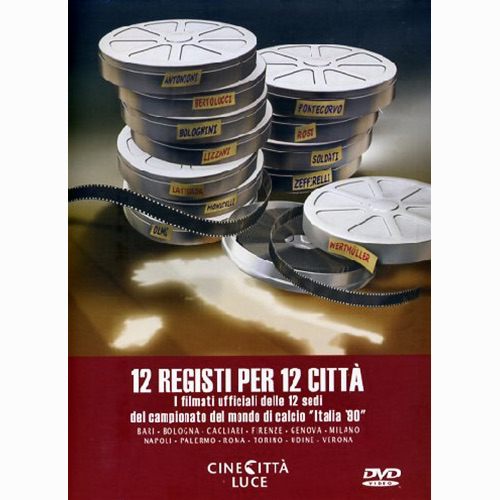
In 1989 Istituto Luce, the oldest public institution devoted to film production, distribution and archival material in Italy, produced an omnibus film consisting of 12 segments entitled 12 Registi per 12 Citta (12 Directors for 12 Cities). A documentary/travelogue hybrid, the film was made as a promotional vehicle in support of the 1990 FIFA World Cup in Rome and part of its intent was to lure tourists to Italy, particularly to the cities showcased in the film. The title is not completely accurate; thirteen directors, not twelve, contributed to the project if you count Giuseppe Bertolucci, the younger brother of Bernardo Bertolucci, who co-directed the Bologna section with Bernardo. 12 Registi per 12 Citta is also unconventional in its presentation with each director approaching his subject in his own unique way and the selected cities include some offbeat choices like Udine and Cagliari as well as some major omissions. What, no Venice?
Continue readingThe Prince and the Peasant

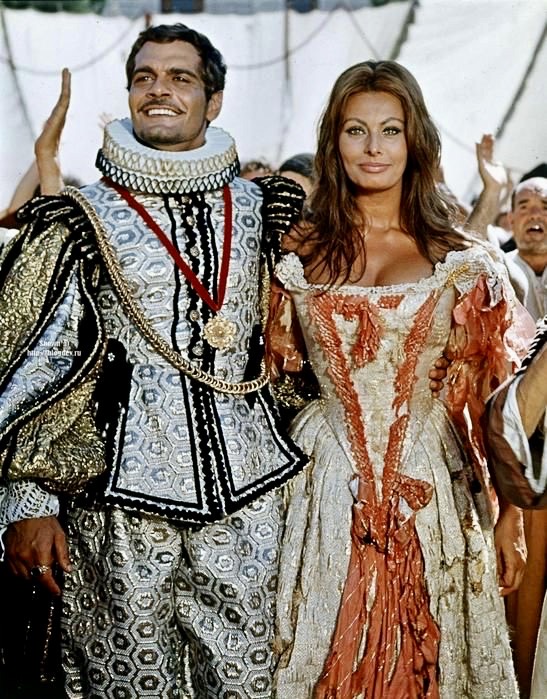
Will there be a happy ending for Prince Rodrigo (Omar Sharif) and Isabella Candeloro (Sophia Loren) in More Than a Miracle (1967), directed by Francesco Rosi.
Imagine, if you can, a rustic Neapolitan fairy tale directed by Francesco Rosi in the docudrama style of his post-neorealism films of the early sixties like The Moment of Truth (1965), shoot it in Technicolor and Techniscope, add a lush musical score by Piero Piccioni and you get More Than a Miracle (1967), a zesty Southern Italian fantasy-romance that was more appropriately titled Cinderella, Italian Style in Europe. Continue reading