The Tree Stump Baby

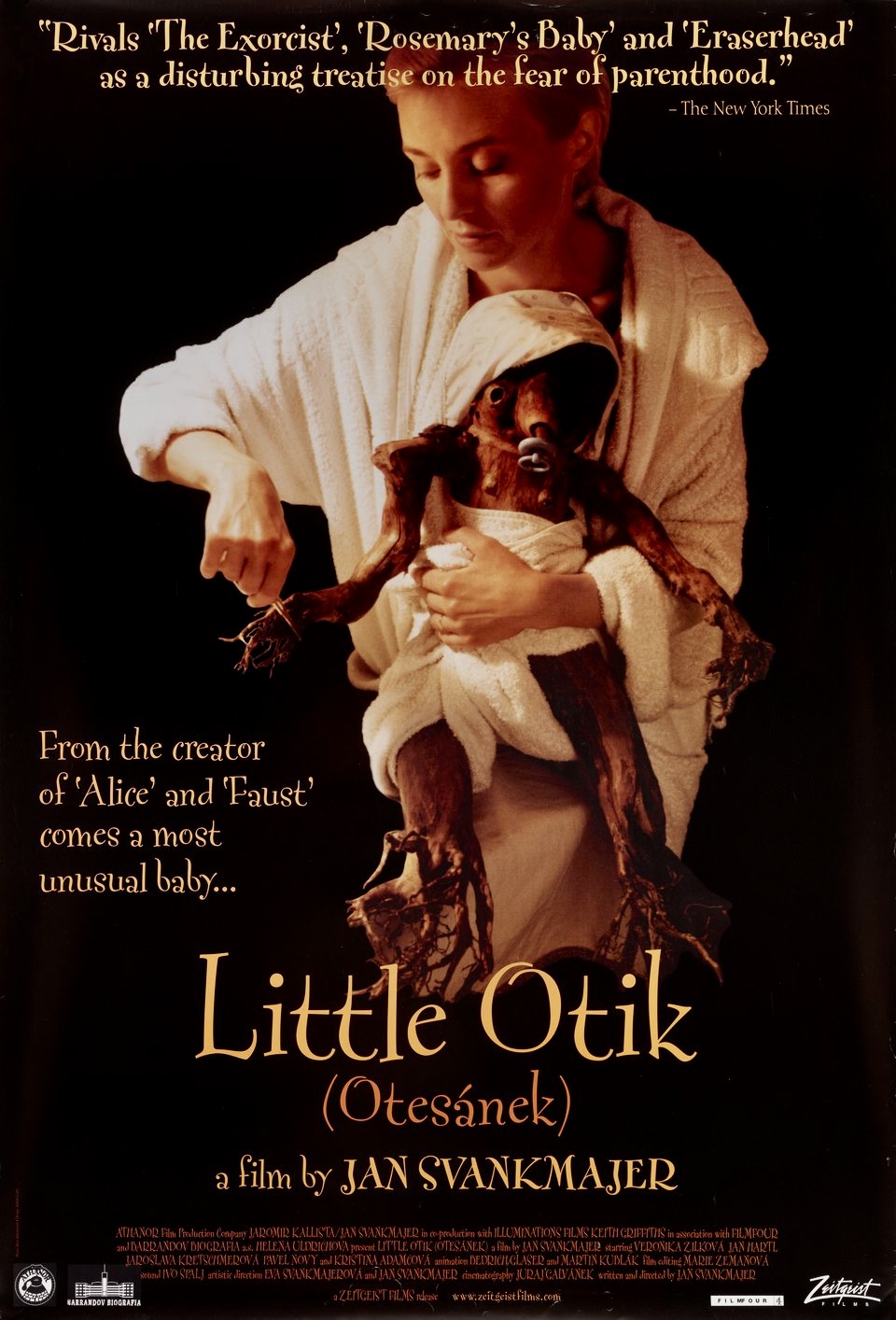
“Be careful what you wish for” is one of those popular expressions that offers cautionary advice for those who want something too desperately. And it has been illustrated repeatedly in literature and movies from timeless folk tales like Faust and The Golem to more recent efforts like Little Otik (2000), Czech filmmaker Jan Svankmajer’s take on Otesanek, a 19th century fairy tale by Karel Jaromir Erben. Svankmajer updates the tale about a childless couple and their substitute baby to contemporary times but also manages to weave in some of his favorite obsessions and thematic concerns (food, cannibalism, human fears) into a darkly funny but nightmarish portrait of parenthood and child rearing. Despite its stature as a fable, Little Otik is certainly not for children and probably not the best viewing option for expectant mothers either.

Continue reading
The Big Bang

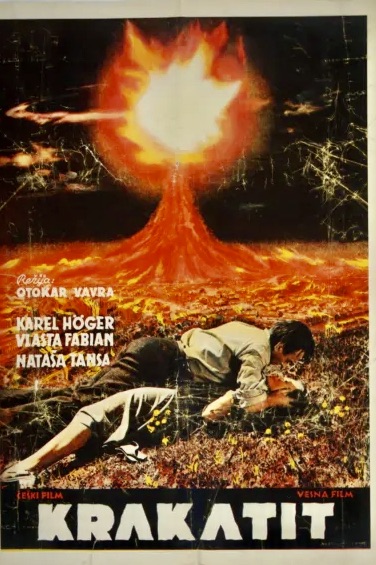
Why would a scientist create a weapon of mass destruction that was capable of destroying the planet and ending life as we know it? J. Robert Oppenheimer, the theoretical physicist who led the Manhattan project and is known as the “father of the atomic bomb,” would later become guilt-ridden over his invention but his original intention was altogether different. He wanted to create a weapon so powerful and dangerous that it would intimidate all world leaders into putting an end to war but, of course, that idealistic concept ended in failure because human beings are flawed creatures. This same scenario is mirrored in the Czech sci-fi drama, Krakatit (1948), in which an engineer named Prokop (Karel Hoger) creates a powder that can become explosive and release atomic energy when activated by radio signals or other means. Like Oppenheimer, Prokop quickly comes to regret his discovery but a case of amnesia caused by an accidental explosion complicates the engineer’s desperate search for an associate, Jiri Tomes (Miroslav Homola), who stole the formula.

Continue reading

The Fabulous World of Karel Zeman

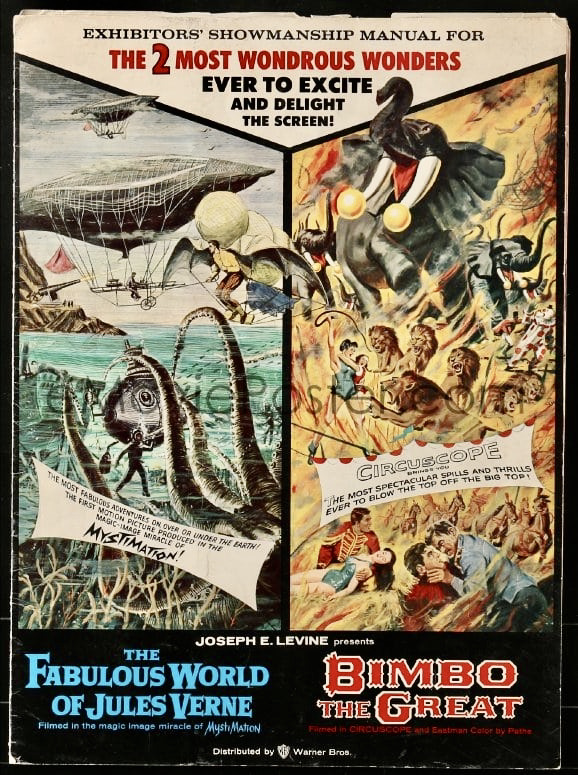
During the summer of 1961 a double feature aimed at children was being distributed in selected cities across the U.S.. If you saw the titles on a theatre marquee, you might think they were Walt Disney releases – Bimbo the Great and The Fabulous World of Jules Verne. But anyone who ventured inside the theatre immediately realized that these films were NOT made in Hollywood. And in the case of The Fabulous World of Jules Verne, it didn’t even look like the film was made in the 20th century!

Continue reading

To Look or Not to Look

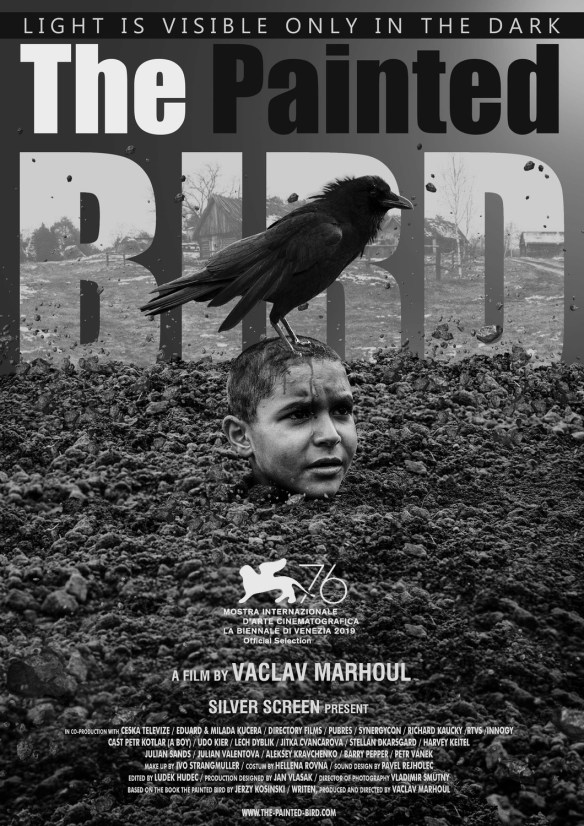
Have you ever had to look away from the screen while watching a movie because you couldn’t bear to see what happened next? Do you have a threshold tolerance level of what you will watch before you become outraged or repulsed and walk out of a film? There have certainly been controversial movies over the years – both art and exploitation features – that have tested the limits of what viewers will watch. Lars von Trier’s Antichrist (2009), Gaspar Noe’s Irreversible (2002), Meir Zarchi’s I Spit on Your Grave (1978), Nagisa Oshima’s In the Realm of the Senses (19776), Pier Paolo Pasolini’s Salo, or the 120 Days of Sodom (1975), and Wes Craven’s The Last House on the Left (1972) are just a few of the more famous offenders that have provoked heated debates over censorship and creative expression. We now have a new test case – The Painted Bird (2019), Czech filmmaker Vaclav Marhoul’s big-screen adaptation of Jerzy Kosinski’s dark masterpiece from 1965.   Continue reading

On The Road to Extinction

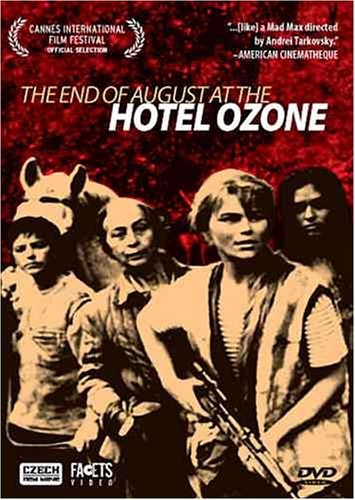
The End of August at the Hotel OzoneEver since I first saw a description for The End of August at the Hotel Ozone in the 16mm rental catalog from New Line Films I’ve wanted to see it. But this 1967 post-apocalyptic drama from Czechoslovakia, directed by Jan Schmidt, has remained an elusive feature for many years. New Line, which was started by Robert Shaye as a film distribution company in 1967, catered to art houses and colleges and universities with its eclectic mix of independent work (Eagle Pennell, Mark Rappaport, Jack Hazan), international fare (Werner Herzog, Lina Wertmuller, Claude Chabrol) and midnight movies (The Hills Have Eyes, Pink Flamingos). Eventually the company moved into producing films as well (such as the popular Nightmare on Elm Street franchise) but in 1994 New Line was acquired by the Turner Broadcasting System, which was then acquired by Time Warner in 1996 and later merged into Warner Bros. in 2008. Continue reading