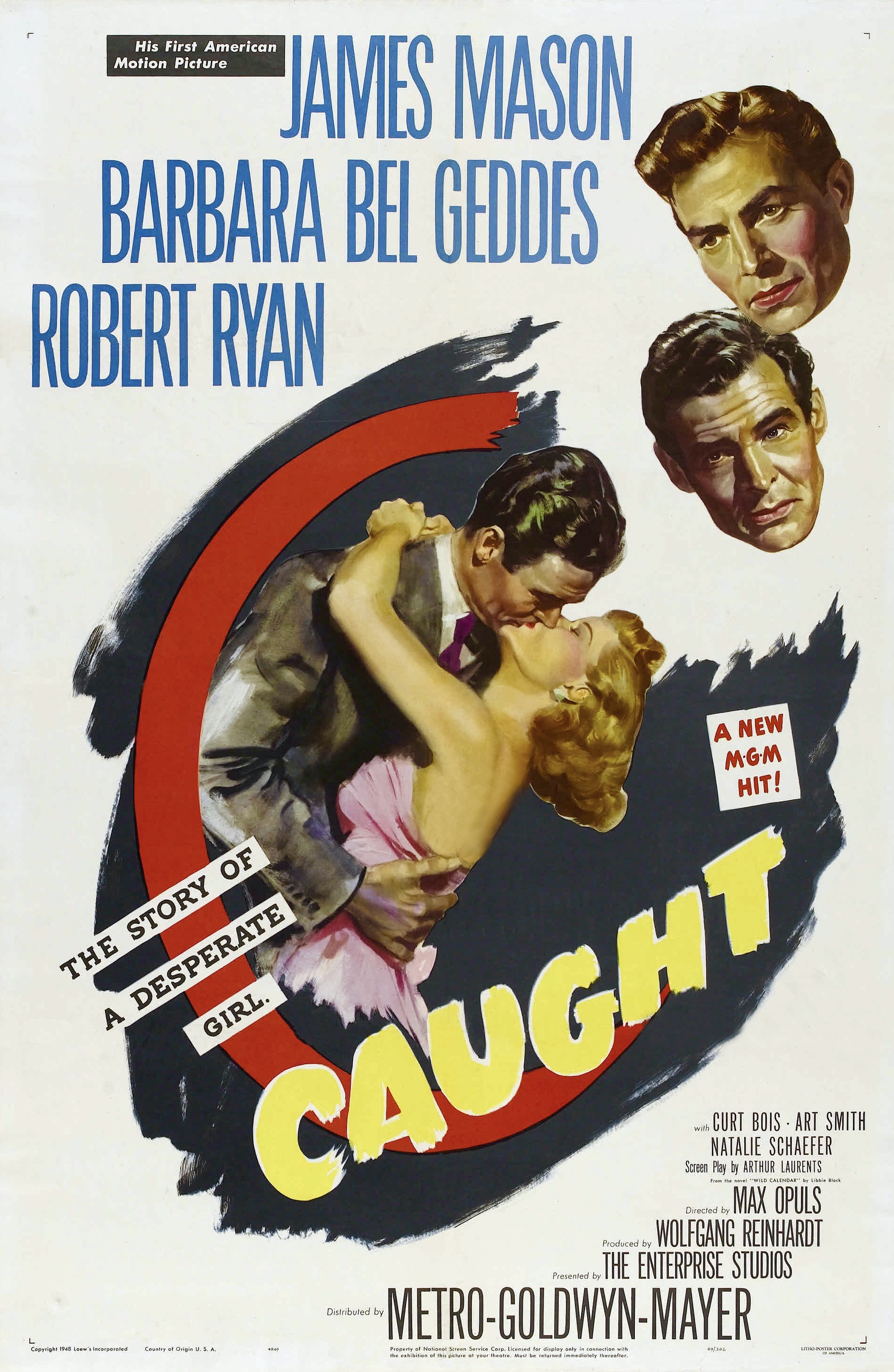
Max Ophuls’ Caught

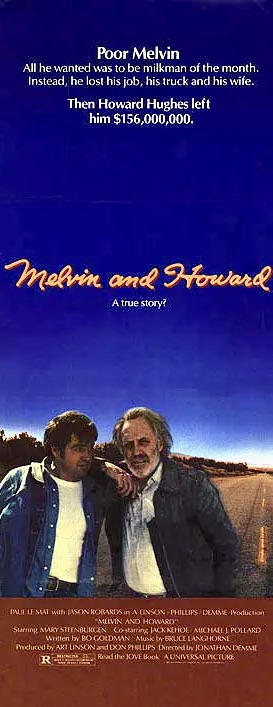
Over the years there have been numerous biographies written about aviation legend/studio mogul/eccentric billionaire Howard Hughes; everything from fake ones like Clifford Irving’s Autobiography of Howard Hughes to definitive accounts such as Howard Hughes: His Life and Madness by Donald L. Bartlett and James B. Steele. In contrast, there have been very few motion pictures about him. Martin Scorsese’s The Aviator (2004), based on the Bartlett & Steele biography, is the only feature film about his life to date. There was also a TV movie, The Amazing Howard Hughes (1977), with Tommy Lee Jones in the title role, and Jonathan Demme’s Melvin and Howard (1980), a quirky docudrama/comedy about Melvin E. Drummar (Paul Le Mat), a Utah man who claimed Hughes (Jason Robards Jr.) named him in his will after rescuing him in the Nevada desert.
Strangely enough, my favorite film about Howard Hughes isn’t a biopic at all but a noir-like melodrama featuring a character who was clearly inspired by the megalomaniac tycoon – Caught (1949), by German director Max Ophuls. Smith Ohlrig, the business tycoon modeled on Hughes, may not resemble him in terms of a biographical profile but on a psychological level he is the epitome of Hughes in the way he interacted with women, his employees and industry rivals.

Continue reading
The Dark Side of Robert Young

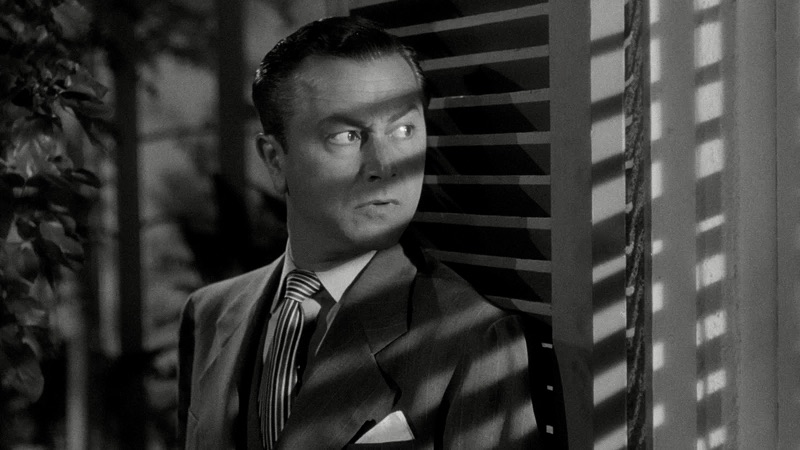
Robert Young plays an embezzler and a womanizer whose luck runs out in THEY WON’T BELIEVE ME (1947), an underrated film noir.

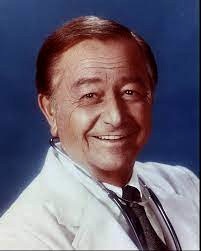
When most baby boomers think of actor Robert Young, they probably recall his popular TV medical series Marcus Welby, M.D. (1969-1976) where he was the epitome of the kind, compassionate doctor or they remember Jim Anderson, the perfect dad in the all-American family sitcom Father Knows Best (1954-1960). He was also typecast as “Mr. Nice Guy” in most of his Hollywood films, playing cheerful romantic leads or the leading man’s best friend or some other debonair, noble or well-intentioned character who rarely made a strong impression compared to more assertive male leads like Clark Gable, Gary Cooper or Spencer Tracy. But there were several occasions when Young discarded his good guy image by playing shadowy characters, outright villains, or damaged human beings.  Among these atypical casting choices, Young is most memorable in Alfred Hitchcock’s Secret Agent (1936) as an undercover spy, a budding fascist in The Mortal Storm (1940), a shellshocked and physically maimed war veteran in The Enchanted Cottage (1945), a complete cad and accused murderer in the underrated film noir They Won’t Believe Me (1947), directed by Irving Pichel, and an architect who is suspected of being a dangerous criminal in The Second Woman (1950).

Robert Young as the star of the popular TV series, MARCUS WELBY, M.D. (1969-1976).
Continue reading

Secret Agenda

Is there really such a thing as “The Perfect Crime”? In theory the plot might seem infallible but what about the unforeseen surprise that could wreck the whole thing? It could be the benign interference of a neighbor or a stranger or even an accidental mishap involving the architect of the crime. An excellent example of what could go terribly wrong at the last minute can be found in The Hidden Room (aka Obsession, 1949) directed by Edward Dmytryk.

Continue reading