Human Cargo

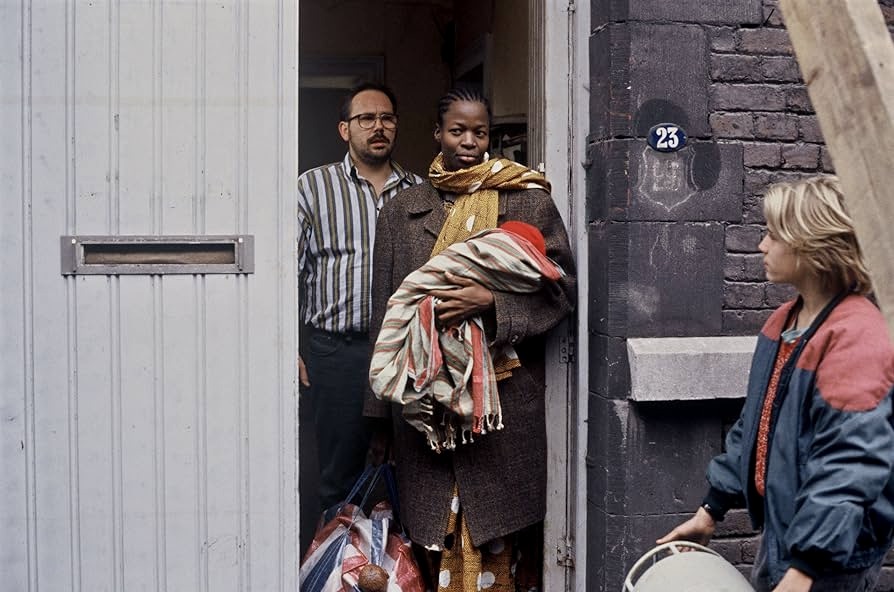
A scene from LA PROMESSE (The Promise, 1996), a Belgium film about an immigrant trafficking business starring Olivier Gourmet (left), Assita Ouedraogo, and Jeremie Renier.

Igor is a fifteen-year old kid who, in some ways, is like most teenagers his age. He likes to have fun hanging out with friends, ride his moped around and work on customizing his go-kart in his spare time. The problem is he doesn’t have much spare time. He works as a mechanic’s apprentice at a gas station but even those hours are cut short by his demanding father Roger, who needs him constantly for jobs involving building renovations, money collection and other activities related to Roger’s exploitation of illegal immigrants. Because of this, Igor has had to grow up fast with his multiple adult responsibilities but he likes the money he makes and the trust his father has placed in him. All of this is about to change when he becomes friendly with Assita, who has arrived with her newborn baby to join her husband, a West African man who does work for Roger. This is the basic set-up for Jean-Pierre and Luc Dardenne’s La Promesse (The Promise), a groundbreaking 1996 film for the brother filmmaking team about the brutal trafficking and mistreatment of undocumented immigrants in Belgium. It also serves as a stark but moving coming-of-age film.

Continue reading
Smells Like Teen Spirit

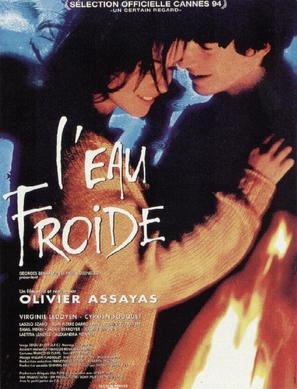
The French film poster for COLD WATER (1994)

Was high school the most emotionally turbulent rite of passage every teenager had to endure? For some, like French director Olivier Assayas, it was a period of time that helped transform him into the person he is today. Those years provided the raw material to create a deeply personal cinematic experience that was not just an artistic triumph in France but earned the director international attention and acclaim. L’eau Froide (English title: Cold Water, 1994) was Assayas’s fifth feature film but he credits it with being the movie that marks his first real breakthrough as a director. The story of Gilles (Cyprien Fouquet), a troubled student from an upper-class family, and his on-again, off-again infatuation with Christine (Virginie Ledoyen), a rebellious sixteen-year-old from a divorced working-class couple, is semi-autobiographical in nature with some incidents taken directly from the director’s life. Assayas would later state, “Cinema has the capacity for making you experience moments, emotion in your life and looking back on it I have the strange feeling that this movie belongs to the seventies.”

Continue reading

Shifting Sands

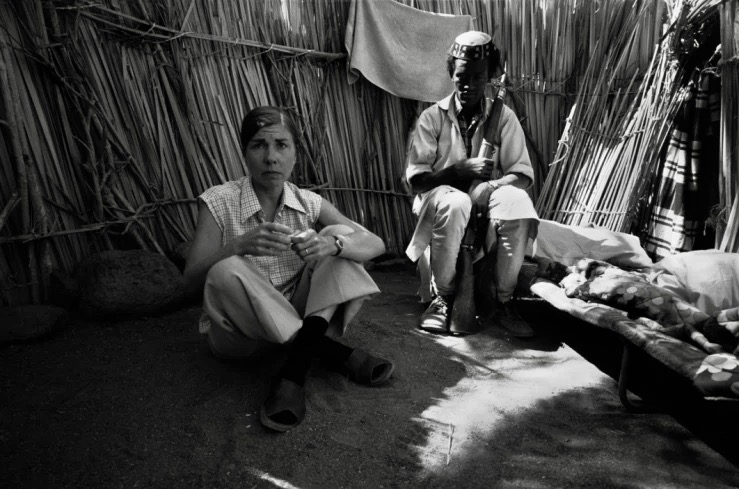
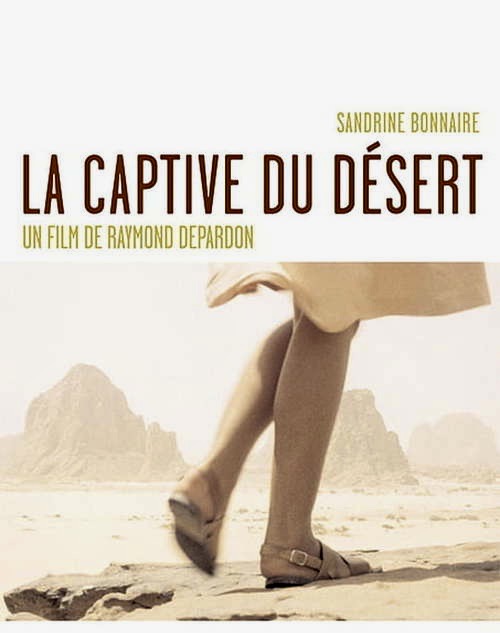
In the Spring of 1974, French archeologist Francoise Claustre along with a young aide and a German doctor and his wife were captured by rebel forces in Chad, Africa while exploring pre-Islamic tombs. The doctor’s wife was killed during the attack but her husband was quickly released after West German officials paid his ransom. The aide later escaped but Claustre remained a hostage of the Maoist rebel leader Hissene Habre and his clan for 33 months. During that time, her husband Pierre, a French official, tried to bargain with the rebels when his government proved inept at handling the situation but he too ended up being captured and held in a different camp in Chad. Renowned photojournalist and documentary filmmaker Raymond Depardon was allowed to interview Francoise during her ordeal for his non-fiction shorts, Tchad 2: L’ultimatum (1975) and Tchad 3 (1976), which were broadcast on French TV and provoked a major public outcry over the entire situation. Finally in January 1977 Libyan leader Muammar Gaddafi brokered a deal with the Chad rebels and the French couple was released and returned to Paris. Interestingly enough, Depardon would return to this subject again in 1990 with La Captive du Desert (Captive of the Desert), a fictionalized account of the Claustre affair which remains one of his few forays into feature film making.

French hostage Francoise Claustre being held prisoner by Chad rebels in 1974.
Continue reading

A Village Memoir

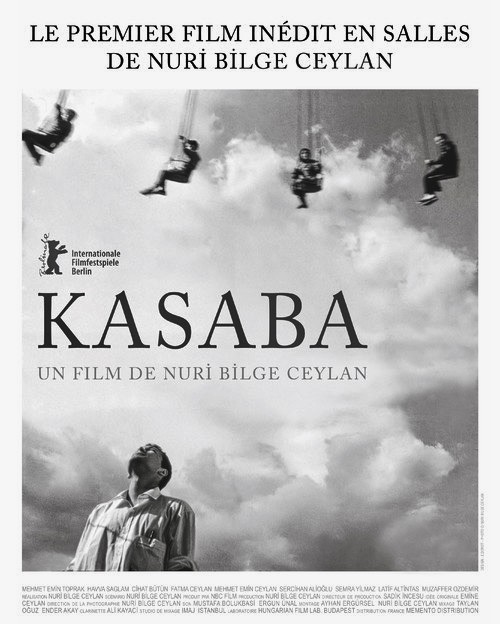
Some of the world’s most famous directors have made autobiographical features at some point in their careers with their childhood, family life or home town as the central focus. We have seen this in Federico Fellini’s Amarcord (1973), Ingmar Bergman’s Fanny and Alexander (1982), Richard Linklater’s Dazed and Confused (1993), Spike Lee’s Crooklyn (1994) and Steven Spielberg’s The Fabelmans (2022). Some directors even made their film debut with an autobiographical feature such as Francois Truffaut with The 400 Blows (1959) and Turkish director Nuri Bilge Ceylan can lay claim to this as well with Kasaba (English title: The Small Town, 1997), which is based on a short story by his sister Emin Ceyland entitled Cornfield. The movie depicts family life in a rural village in Turkey as seen through the eyes of a girl, Asiye, and her younger brother, Ali.  

Continue reading

A Filmmaker in Self-Imposed Exile

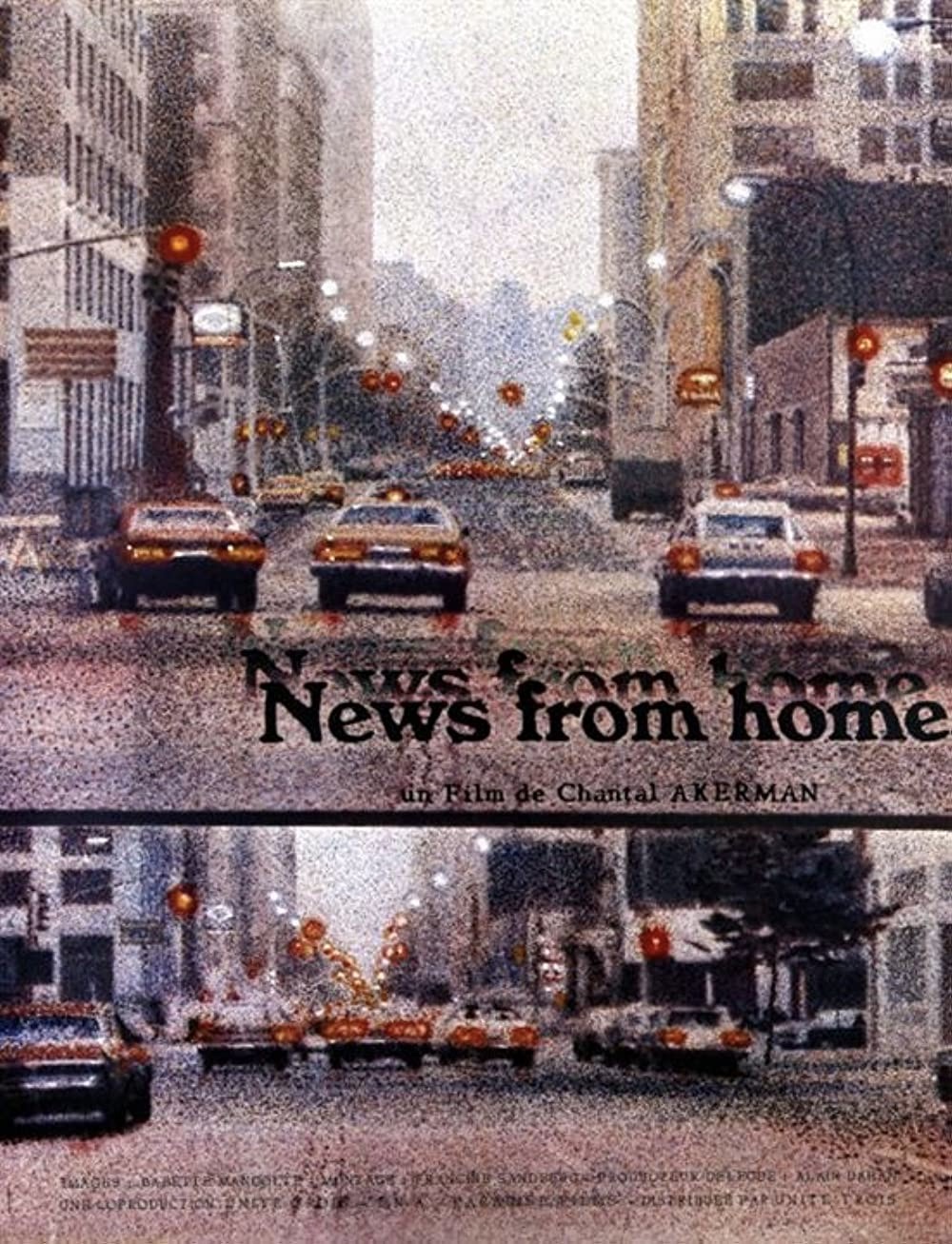
In the mid-1970s tourists were being warned by a concerned group of local citizens in New York City to steer clear of the Big Apple via a pamphlet campaign. Crime had risen dramatically since the late sixties, the city was reeling from a number of political and economic crises including a mass garbage workers’ strike, and unemployment was at an all time high, driving many residents to leave for the suburbs. The media began to refer to Manhattan as “Fear City” and actress Shirley MacLaine was quoted as saying NYC was “the Karen Quinlan of cities” (a reference to the teenager who lapsed into a coma in 1975 and lived in a permanent vegetative state for ten years before dying from pneumonia). It was during this period that Belgium filmmaker Chantal Akerman created one of her most personal and acclaimed films during a 1976 visit. News from Home is an autobiography of sorts and the director was no stranger to the city. She had lived there in 1971 but her movie is not a tourist’s view of the city. It shows us the kind of gritty urban environment that Martin Scorsese immortalized in 1976’s Taxi Driver.

Continue reading

The Phobophobic Housewife

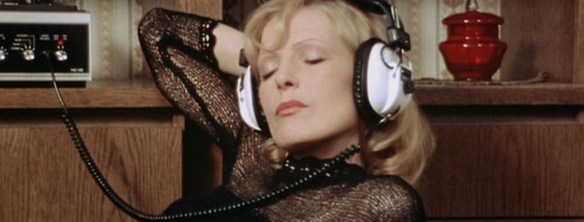
Margit Carstensen tries to relax by listening to music in Fear of Fear (1975) but it doesn't stop her increasing bouts of anxiety and depression.

Margit Carstensen tries to relax by listening to music in Fear of Fear (1975) but it doesn’t stop her increasing bouts of anxiety and depression.

Films about housewives losing their identity in a marriage or slowly going bonkers from the daily rituals of domesticity are plentiful enough to form their own distinctive subgenre. Among the most intriguing of these films, all of which reflect the specific time and cultural moment in which they were made, are Frank Perry’s Diary of a Mad Housewife (1970), John Cassavetes’ A Woman Under the Influence (1974), Chantal Akerman’s landmark 1975 feature, Jeanne Dielman, 23 Quia du Commerce, 1080 Bruxelles, Dusan Makavejev’s Montenegro (1981), and the curious Canadian indie Dancing in the Dark (1986), directed by Leon Marr. But the one I’d like to highlight and which I had the pleasure of revisiting recently on DVD is Fear of Fear (German title: Angst vor der Angst, 1975), directed by Rainer Werner Fassbinder. Continue reading

Fade to White

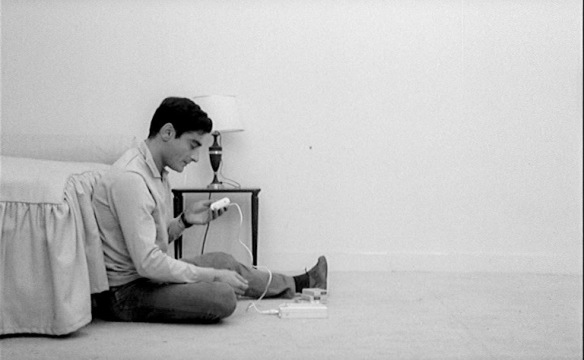
Charles Denner retreats from the world in Life Upside Down (1964), directed by Alain Jessua

Charles Denner retreats from the world in Life Upside Down (1964), directed by Alain Jessua

Films that explore mental illness, especially Hollywood productions such as The Snake Pit, The Three Faces of Eve and A Brilliant Mind, usually tend to be heavy on the histrionics providing highly dramatic showcases and Oscar award opportunities for actors. But a descent into madness isn’t always signaled by wildly disruptive or overwrought behavior from the afflicted. Sometimes the illness can creep up slowly by degrees and pass for something more fleeting and subtle that avoids detection during the early stages. Life Upside Down (La vie à l’envers), directed by Alain Jessua, is a remarkable example of this, presenting a man who goes quietly mad while interpreting his erratic behavior as a profound new self-awareness.     Continue reading