When Ishihara Shintaro died on February 1, 2022 at age 89, most obituaries focused on his career as a politician in Japan. He first served as a member of the House of Councillors (1968 to 1972) and then as a member of the House of Representatives (1972-1995) before becoming the Governor of Tokyo from 1999 to 2012. A controversial figure in his own country, Shintaro was famous for his ultra-nationalist stance on Japan and extreme right-wing views such as discriminating against Japanese-Koreans, the disabled, women, LGBT and other social minorities. He is now considered an early proponent of “hate speech” and often denied historical accounts of atrocities committed by the Japanese against the Chinese in the infamous Nanjing Massacre of 1937, which in Japan is the same as being a Holocaust denier. What is most surprising about Shintaro, however, is his earlier career as an author and highly successful screenwriter for movie studios like Nikkatsu, Daiei and Shochiku. His critically acclaimed first novella, Taiyo no Kisetsu (English title: Season of the Sun), was published in 1955 and he adapted it into a film for director Takumi Furukawa. It became a box office sensation and inspired several successors in a film movement that became known as the “Sun Tribe” (aka Taiyozoku) movies.
Continue readingMonthly Archives: March 2025

Queen of the Roller Derby
Raquel Welch. Not a name that conjures up Oscar-winning movies. Instead, a vision of a cavegirl in a bikini comes to mind. Or maybe a buff female fitness instructor with a video line for women with titles like Lose 10 Lbs. in 3 Weeks. Yet, there was a time when Raquel tried to break the Playboy playmate stereotype and prove herself as a dramatic actress. The year was 1972 and the film was Kansas City Bomber. An attempt to cash in on the then-popular roller derby craze, the film was also the actress’s first bona fide attempt to create a real flesh and blood character – a struggling, single mom of two trying to make ends meet by plying her skating talent in the sports arena.
Continue readingCity Unplugged
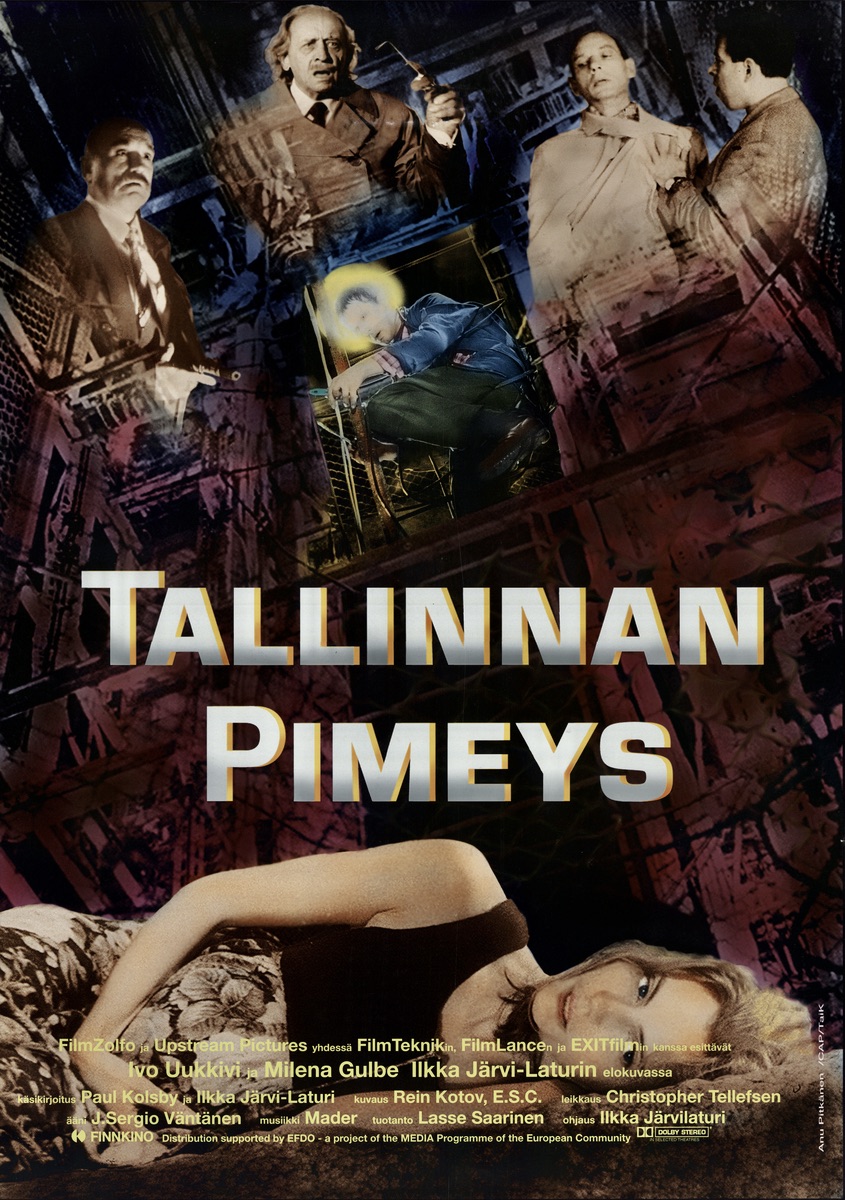
Movies about an ingenious heist or an elaborately staged robbery always come with set expectations from genre enthusiasts. Can they meet or surpass the gold bar standard set by earlier classics such as John Huston’s The Asphalt Jungle (1950), Jules Dassin’s Rififi (1955), or Stanley Kubrick’s The Killing (1956) for example? Tallinn Pimeduses (English title: City Unplugged, aka Darkness in Tallinn 1993), directed by Estonian filmmaker IIkka Jarvi-Laturi, might not ever attain the iconic status of those efforts but that doesn’t mean it isn’t a worthy addition to the genre. If anything, it is quirky and original enough to earn a cult following and probably would have if it had ever been distributed and marketed by a major Hollywood studio.
Continue readingPedro Costa’s O Sangre

Most film aficionados known that the Cinema Novo movement of the 1960s in Brazil was influenced by both Neorealism and New Wave filmmakers but became an identifiable style of its own. Portugal also had their own Cinema Novo movement in the sixties but it transitioned into a different aesthetic approach in the 1980s known as “The School of Reis,” named after Antonio Reis, a filmmaker and professor at the Lisbon Theater and Film School. Reis influenced a new generation of filmmakers that includes Manuela Viegas, Joaquim Sapinho, Joao Pedro Rodgrigues and Pedro Costa to name a few. Among this group Costa is probably the best known in the U.S. due to his work being exhibited at film festivals and art houses as well as a trilogy of his films known as Letters from Fontainhas being distributed on DVD and Blu-ray by The Criterion Collection. Less known is his 1989 debut feature, O Sangre aka Blood, which Michelle Carey of Senses of Cinema called, “Undoubtedly one of the most remarkable film debuts of the last 20 years.”
Continue readingIn the Realm of Carson McCullers
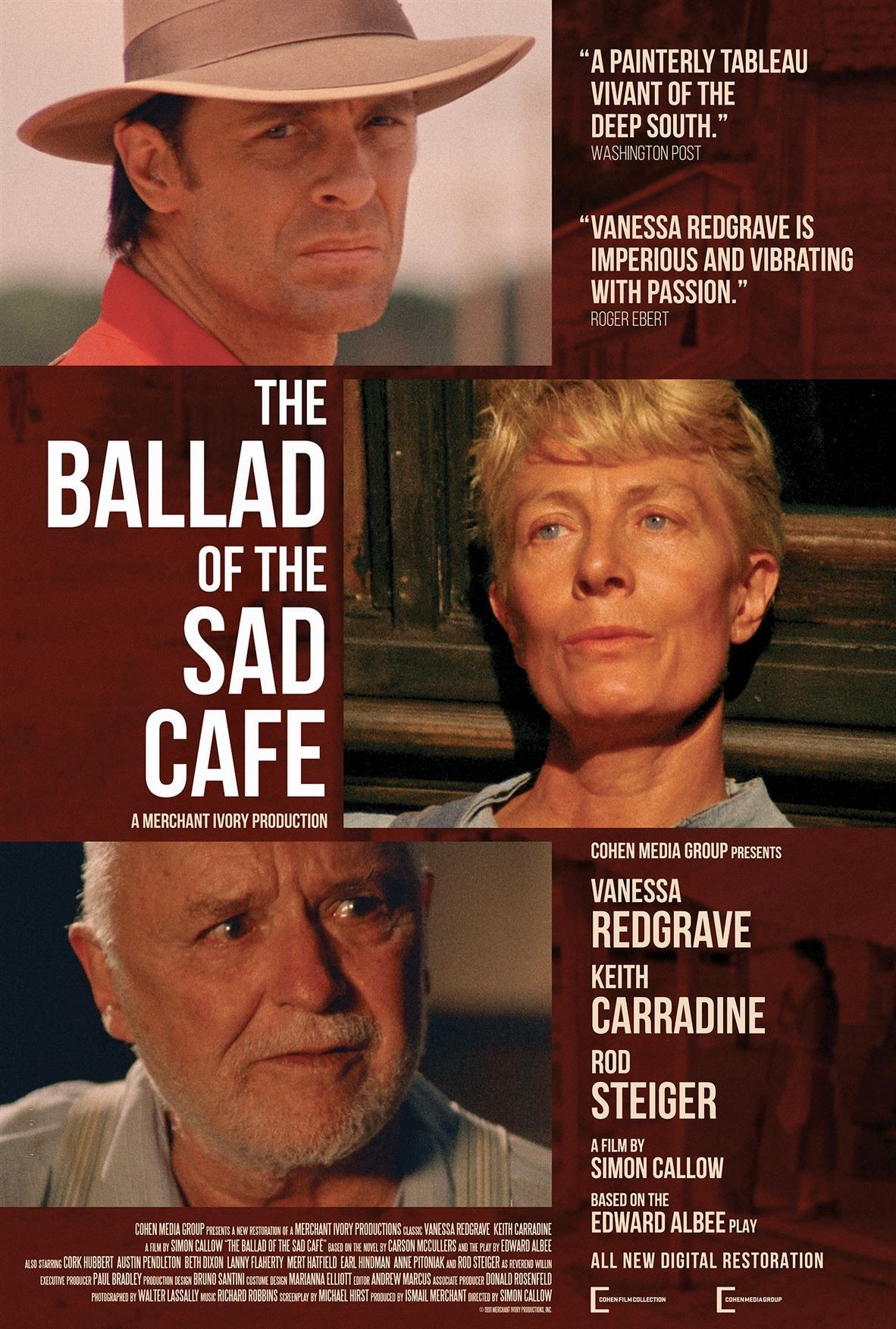
When people talk about Southern Gothic literature, they are usually referring to writers such as William Faulkner, Tennessee Williams, Flannery O’Connor, Erskine Caldwell and Carson McCullers and novels featuring marginalized characters suffering from loneliness, madness or despair in distinct Southern settings. A typical example would be McCullers’s second novel Reflections in a Golden Eye, published in 1941, which is set on a Southern army base in the 1930s and depicts various characters who identify with voyeurism, self-mutilation, repressed gay desire and murder. On the other hand, her 1951 novella The Ballad of the Sad Café has some Southern Gothic elements but is actually much closer to a bizarre folk tale handed down from some primeval culture with its grand passions and Greek tragedy stylings. It would seem the most unlikely candidate among her novels for a film adaptation and yet it was turned into a movie in 1991 by actor and celebrated author Simon Callow. Critics were divided over its success as cinema but for those willing to suspend their disbelief over the larger-than-life characters and storyline, The Ballad of the Sad Café is an admirable attempt to capture the heart and soul of McCullers’s original work. Callow finds a nice balance between theatricality and naturalism, the grotesque and the poignant, all supported in part by strong performances, especially Vanessa Redgrave in the central role.
Continue readingAll in the Family
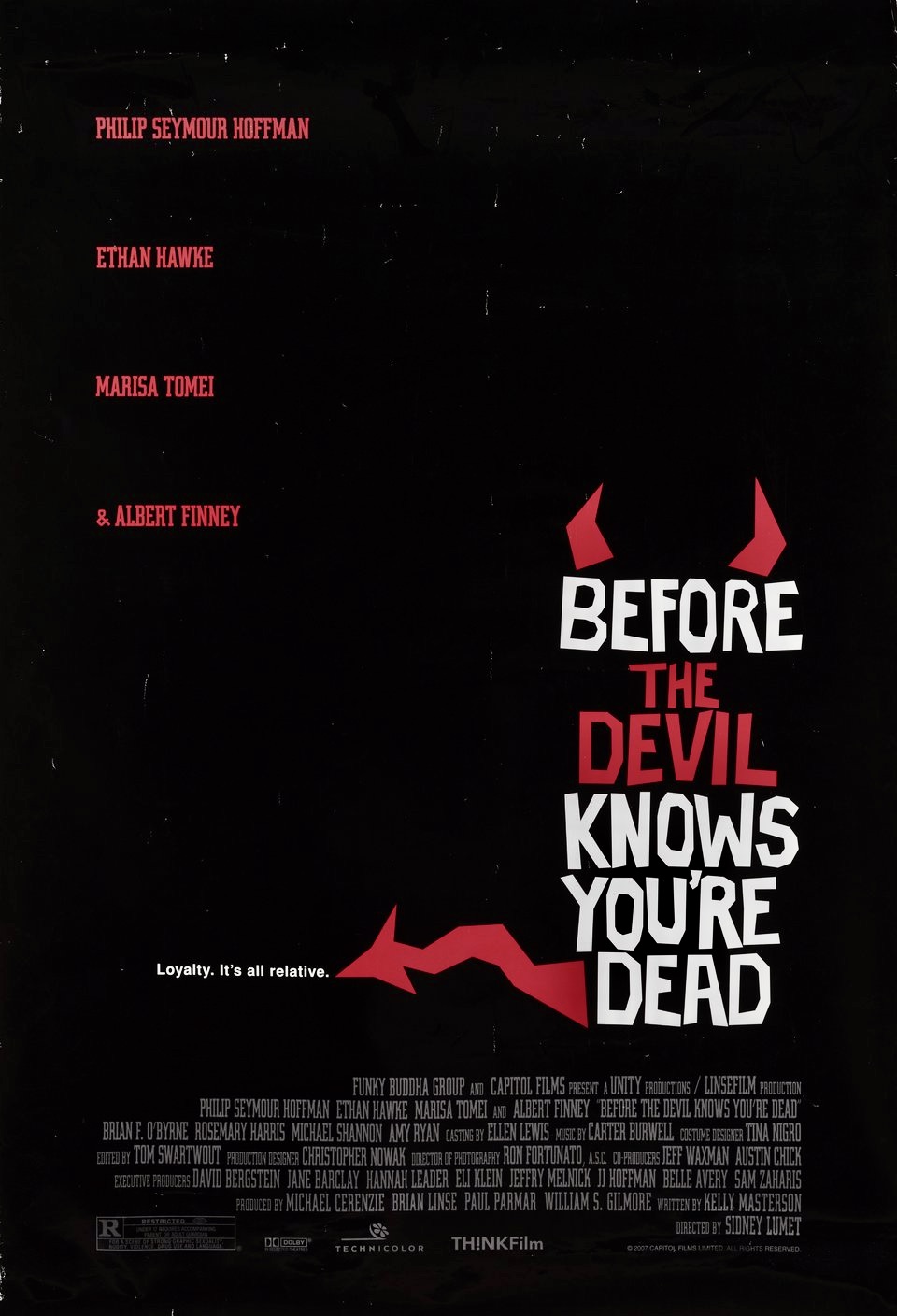
If you had gone to a movie theater showing Before the Devil Knows You’re Dead in 2007 without knowing anything about it or who directed it, you’d probably think it was the work of a dynamic new director who had talent to burn, someone possibly in his or her late twenties or early thirties. Of course, we know it’s the work of the 83-year-old Lumet but the film is just as fresh, surprising and alive to the harrowing and painful emotions of its tough familial breakdown as Lumet’s best work and that means on a par with 12 Angry Men (1957), Serpico (1973), Dog Day Afternoon (1975) and Network (1976).
Continue readingThe Mysterious Language of Twins

In 1977 journalists became fascinated with a story about six-year-old twin sisters in San Diego who spoke in a language no one could understand but was the sole means of communication between the two girls. Their names were Gracie and Ginny Kennedy but they called themselves Poto and Cabengo in their nonsensical form of speaking. Had they actually created a secret language for themselves or was it just meaningless blather? The girls became a media sensation and speech therapists at the Children’s Hospital in San Diego studied their language in hopes of determining whether the girls’ interaction was a case of arrested idioglossia, a phenomenon in which twins (or individuals) create a private language with a unique vocabulary and syntax (most children grow out of it at age 3 but the twins were a rare exception). French filmmaker Jean-Pierre Gorin had recently moved from Paris to the University of California at San Diego for a faculty position when he first heard about the twins. He immediately decided that Gracie and Ginny would be ideal subject matter for his first solo directorial effort but the result entitled Poto and Cabengo (1979) could not really be classified as a documentary. Instead, it is a highly personal non-fiction portrait that is closer to an experimental film than anything else and Gorin’s involvement with the twins and their family become just one aspect of the movie’s multi-layered narrative interests.
Continue reading