The Pairans Are Among Us

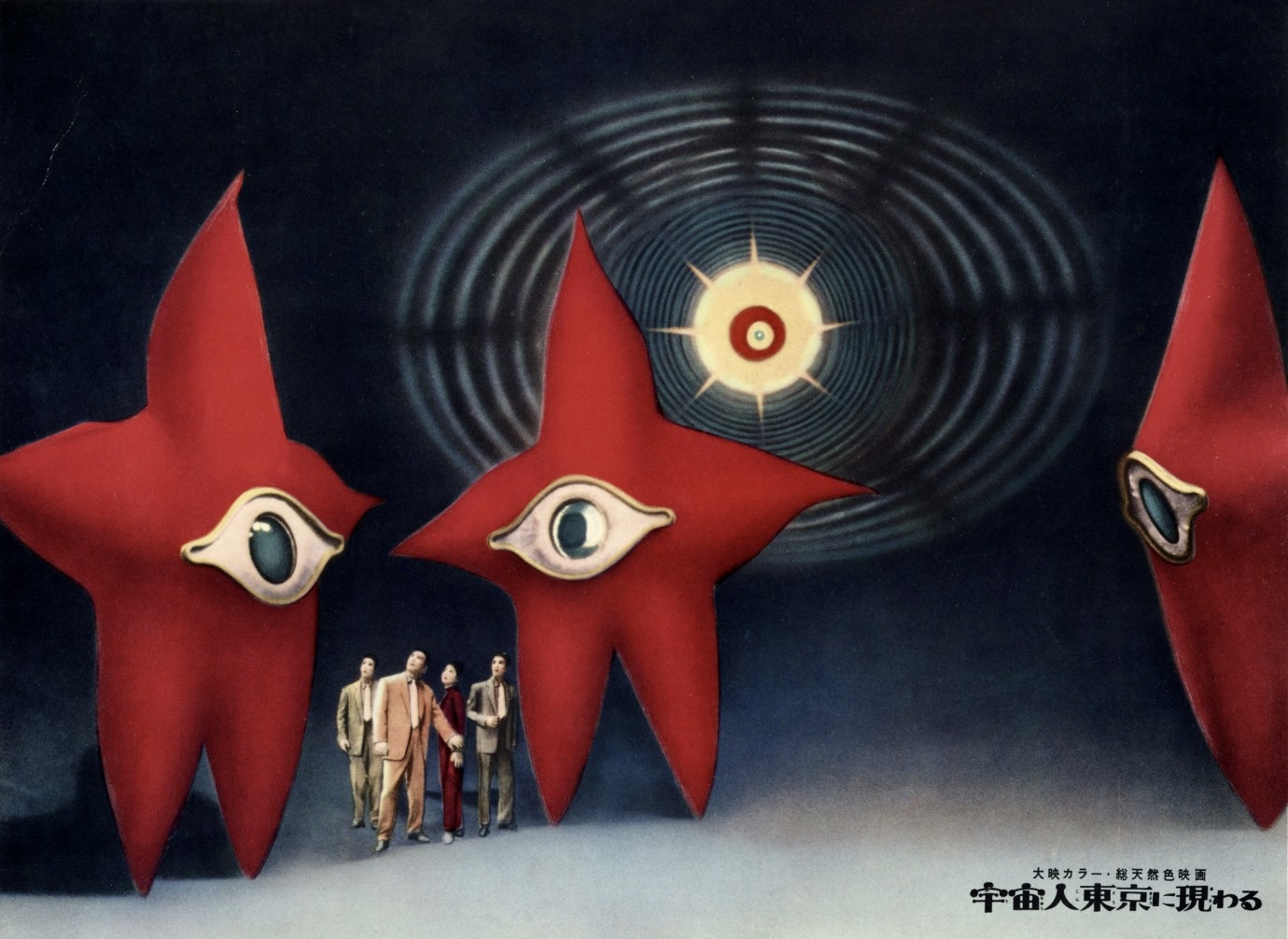
A promotional still from the Japanese science fiction film Uchujin Tokyo ni Arawaru (1956), which was released in the U.S. in 1963 as WARNING FROM SPACE.

The early 1950s is generally regarded as the time when science fiction truly became a popular and profitable film genre thanks to a number of pioneering efforts from Hollywood such as The Day the Earth Stood Still (1951), The Thing from Another World (1951), The Man from Planet X (1951), It Came from Outer Space (1953) and Invaders from Mars (1954). Other countries quickly followed suit producing their own sci-fi entries but Japan was a latecomer in this regard. It wasn’t until 1956 when Daiei Studios released the first Japanese movie to address the subject of UFOs and extraterrestrials – Uchujin Tokyo ni Arawaru aka Spacemen Appear in Tokyo, directed by Koji Shima. The film was a commercial failure and quickly vanished from cinemas before turning up seven years later on American television screens in an English-dubbed version known as Warning from Space. Unfortunately, this altered version for TV syndication with its pan-and-scan format deviating from the original presentation was intended for juvenile audiences. The original 1956 Japanese version, however, is a fascinating and important genre entry in the development of the science fiction film and deserves to be better known today. (When I refer to Warning from Space throughout the following article, I am talking about the Japanese version).

Continue reading
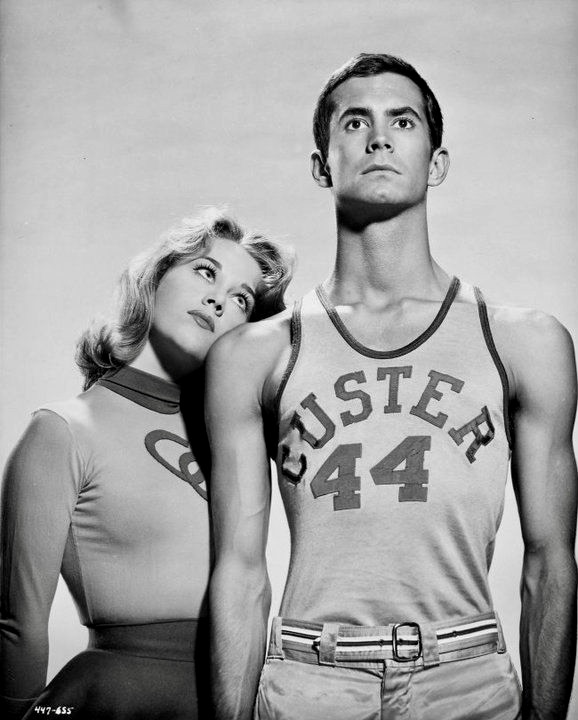
Basketball Jocks and Pom Pom Girls

Jane Fonda (in her film debut) and Anthony Perkins appear in a publicity still for the 1960 romantic comedy TALL STORY, directed by Joshua Logan.

The film debut of a soon-to-be-major movie star is not always an event of any significance when it first occurs. Nor is it often a movie with any artistic merit that can stand the test of time and become an important topic for analysis among film scholars. Jane Fonda’s movie debut, Tall Story, will surely never make the AFI’s top 100 films list and it wasn’t a commercial or critical success upon its release in 1960. Yet the film is important in the career arc of Ms. Fonda. It’s also an enjoyable, often witty romantic comedy that plays much better today than when it first premiered.

Continue reading

Adolf, Eva and Guests in Bavaria

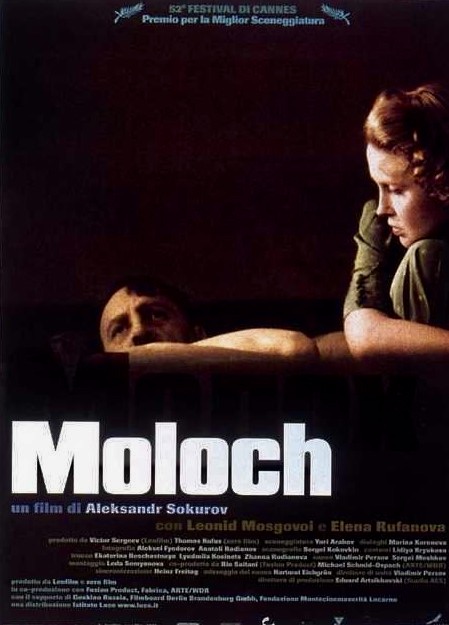
Still shrouded in mystery and speculation by historical experts, the final days of Adolf Hitler remain a subject of endless fascination for many. It’s certainly been the focus of several films such as the 2004 German production Downfall (Oscar nominated for Best Foreign Language Film) and Hitler: The Last Ten Days (1973) starring Alec Guinness, but Moloch (1999), from Russian director Aleksandr Sokurov, is not a typical biopic or dramatic reenactment but an unconventional and startling chamber piece, closer in style to an off-Broadway ‘Theatre of the Absurd’ production.

Continue reading

The Godfather of New York Street Art

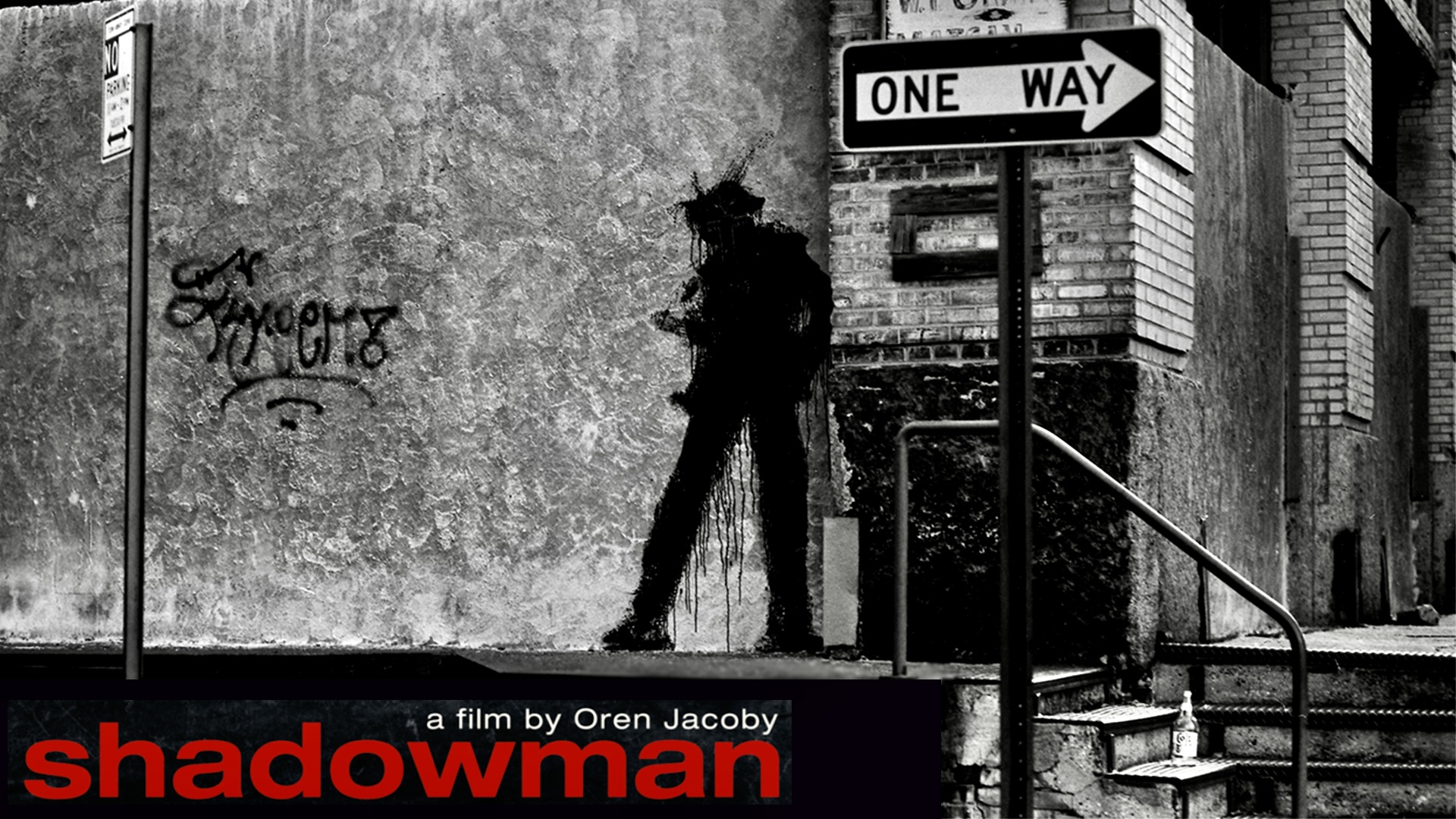
When did grafitti drawings and spray paint signage graduate from being considered vandalism to a recognized art movement? Pop culture historians pinpoint the late 1960s as the time that subway art and other movements began appearing in major cities with Philadelphia and then New York City paving the way. Some believe that grafitti taggers Cornbread aka Darryl McCray and Top Cat 126 from Philadelphia were among the first to elevate spray paint signage out of its defacement stigma. And by the late seventies/early eighties grafitti art had become much more elaborate and pervasive, thanks to the pioneering efforts of cult figures like Jean-Michel Basquiat and Keith Haring, who eventually made their brand of street art wildly popular and collectible. What most people don’t know is that a Canadian artist named Richard Hambleton created a public art series between 1976 to 1978 in major cities across America and Canada that were inspired by real life crime scenes. These homicide victim street portraits actually prefigured the spray paint artists movement in New York City and Shadowman (2017), a documentary by Oren Jacoby, delves into the elusive figure of Hambleton, who was famous before contemporaries Basquiat and Harring, but is the least known of the three today.

Continue reading

Violenza al Sole aka Blow Hot, Blow Cold

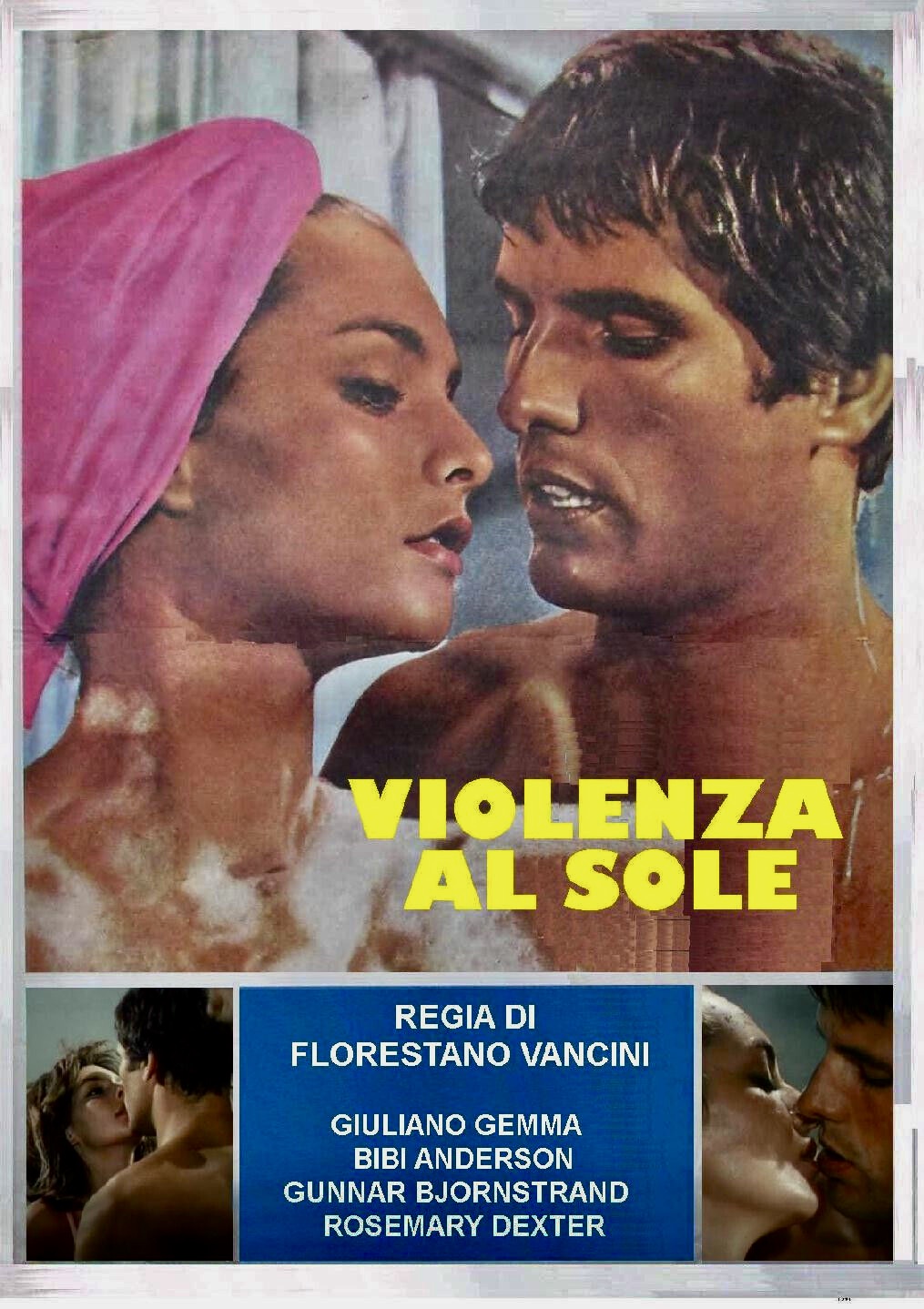
An Italian film poster for the 1969 film BLOW HOT, BLOW COLD.

During the peak years of the Italian film industry in the 1960s and 70s, there were numerous films released which never received a theatrical release in the U.S. and are completely unknown to American audiences. Of course, some of these are forgettable but there are several that deserve a second chance at being re-discovered and Violenza al Sole (English title: Violence in the Sun aka Blow Hot, Blow Cold aka Hot Blood in the Veins, 1969), directed by Florestano Vancini, is a prime example. It is also a fascinating anomaly in the careers of the four main actors, Giuliano Gemma, Rosemary Dexter, and two stars who are most often associated with director Ingmar Bergman, Bibi Andersson and Gunnar Bjornstrand.

Continue reading

An Immigrant’s Journey

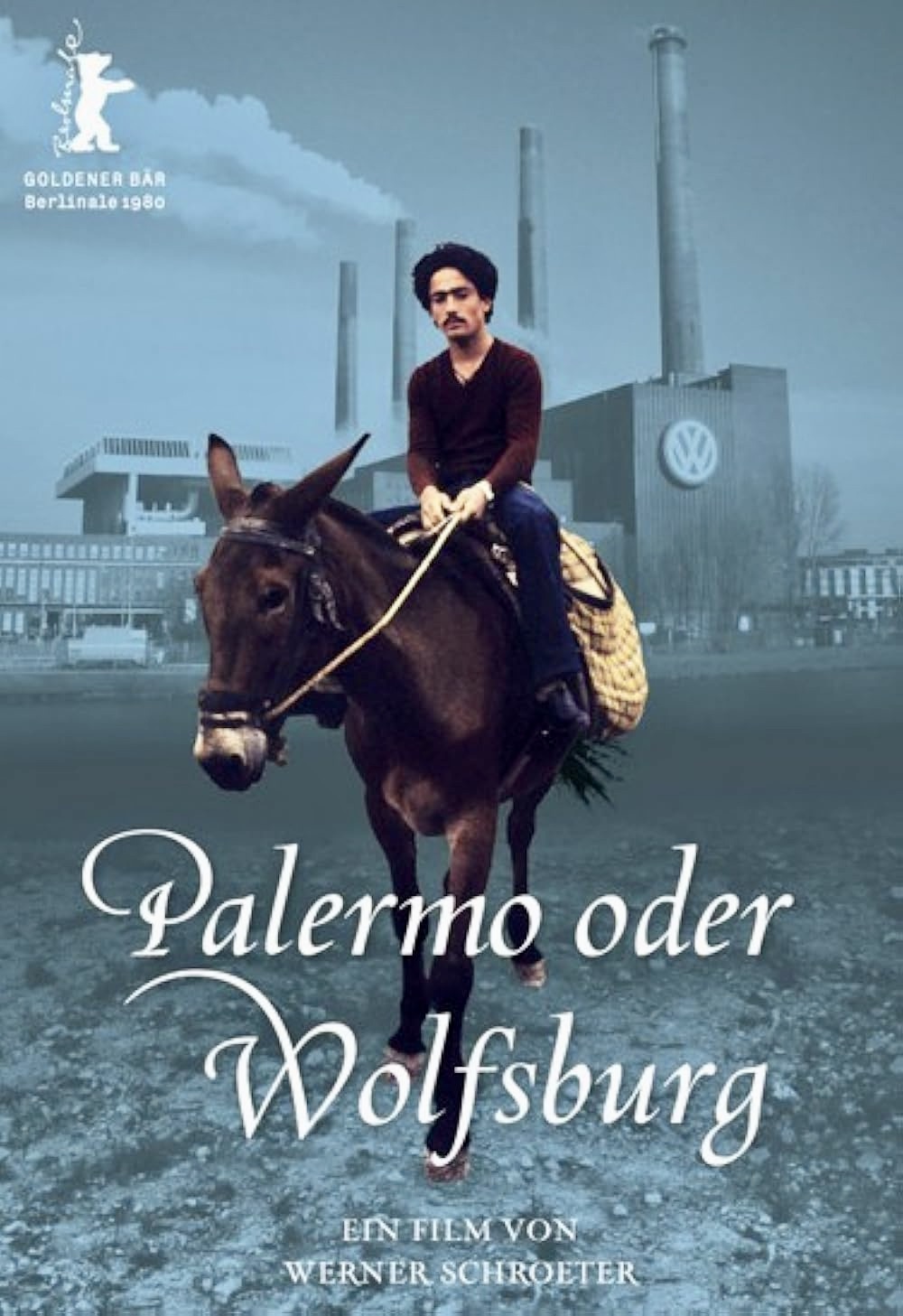
In recent years the immigrant problem in Germany has become more severe than previous times with Ukraine refugees joining the constant stream of immigrants from Turkey, Romania and other countries. This mirrors another migration that occurred in the seventies in Germany but that one helped fuel the country’s economy because the work force was supplemented by much needed laborers coming from Greece, Italy and other European locales. Palermo oder Wolfsburg aka Palermo or Wolfsburg (1980), directed by Werner Schroeder, is set during this latter period and tracks one man’s journey from Sicily to Germany where he hopes to find work to help support his impoverished family back home. Schroeder’s film not only shows the difficulties of outsiders trying to adapt to German life but also suggests that there is an incompatibility factor between Germany and other European cultures that can never be overcome. And this particular immigration tale unfolds like an epic tragedy.

Continue reading