Shifting Sands

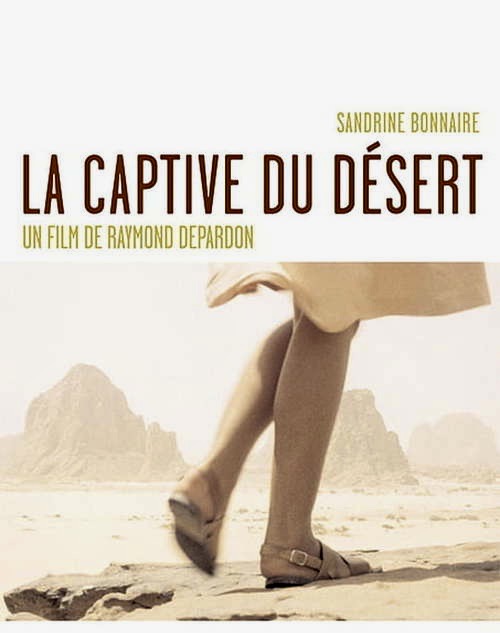
In the Spring of 1974, French archeologist Francoise Claustre along with a young aide and a German doctor and his wife were captured by rebel forces in Chad, Africa while exploring pre-Islamic tombs. The doctor’s wife was killed during the attack but her husband was quickly released after West German officials paid his ransom. The aide later escaped but Claustre remained a hostage of the Maoist rebel leader Hissene Habre and his clan for 33 months. During that time, her husband Pierre, a French official, tried to bargain with the rebels when his government proved inept at handling the situation but he too ended up being captured and held in a different camp in Chad. Renowned photojournalist and documentary filmmaker Raymond Depardon was allowed to interview Francoise during her ordeal for his non-fiction shorts, Tchad 2: L’ultimatum (1975) and Tchad 3 (1976), which were broadcast on French TV and provoked a major public outcry over the entire situation. Finally in January 1977 Libyan leader Muammar Gaddafi brokered a deal with the Chad rebels and the French couple was released and returned to Paris. Interestingly enough, Depardon would return to this subject again in 1990 with La Captive du Desert (Captive of the Desert), a fictionalized account of the Claustre affair which remains one of his few forays into feature film making.
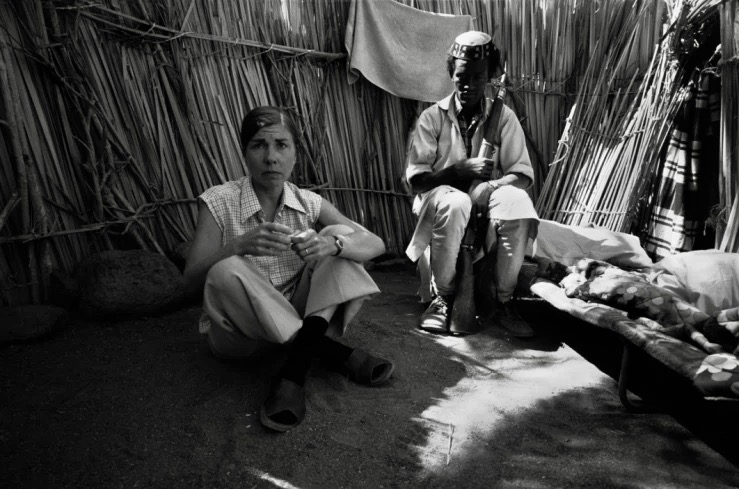
French hostage Francoise Claustre being held prisoner by Chad rebels in 1974.
Continue reading

The Flight of the Silver Queen

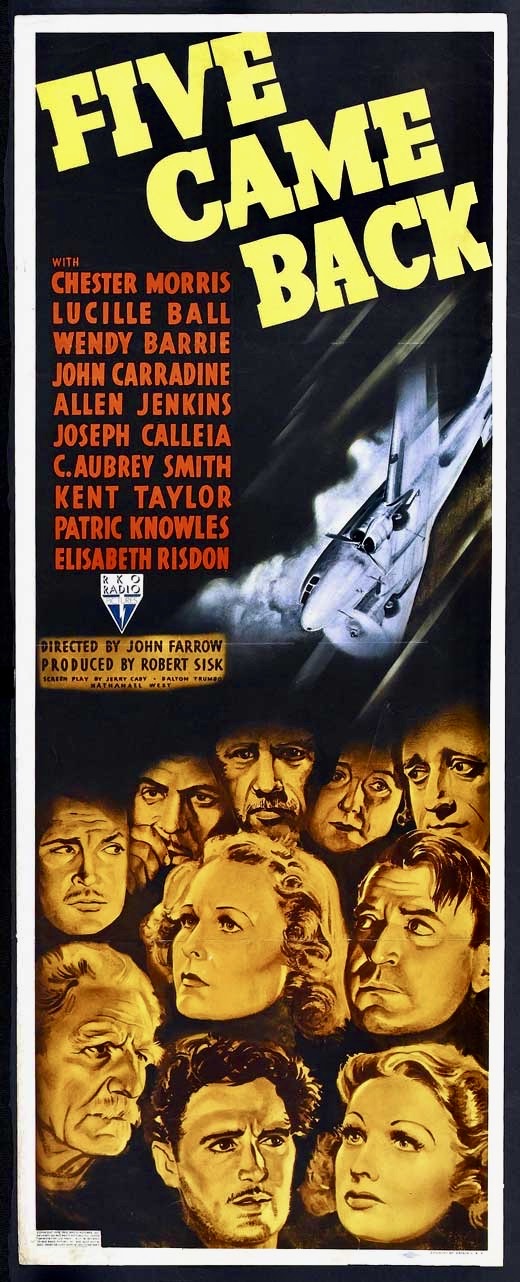
Long before airplane disaster films such as The High and the Mighty (1954) and Airport (1970) with their lavish budgets and all-star casts became the norm, this particular genre was the province of the B-movie. One of the best examples and possibly even the prototype for all future airplane disaster flicks was the 1939 RKO production, Five Came Back. Produced on a shoestring and distributed to theatres as a standard programmer, it turned out to be a surprise hit that quickly amassed an enthusiastic word-of-mouth campaign among moviegoers.

Continue reading

Disco Delirium

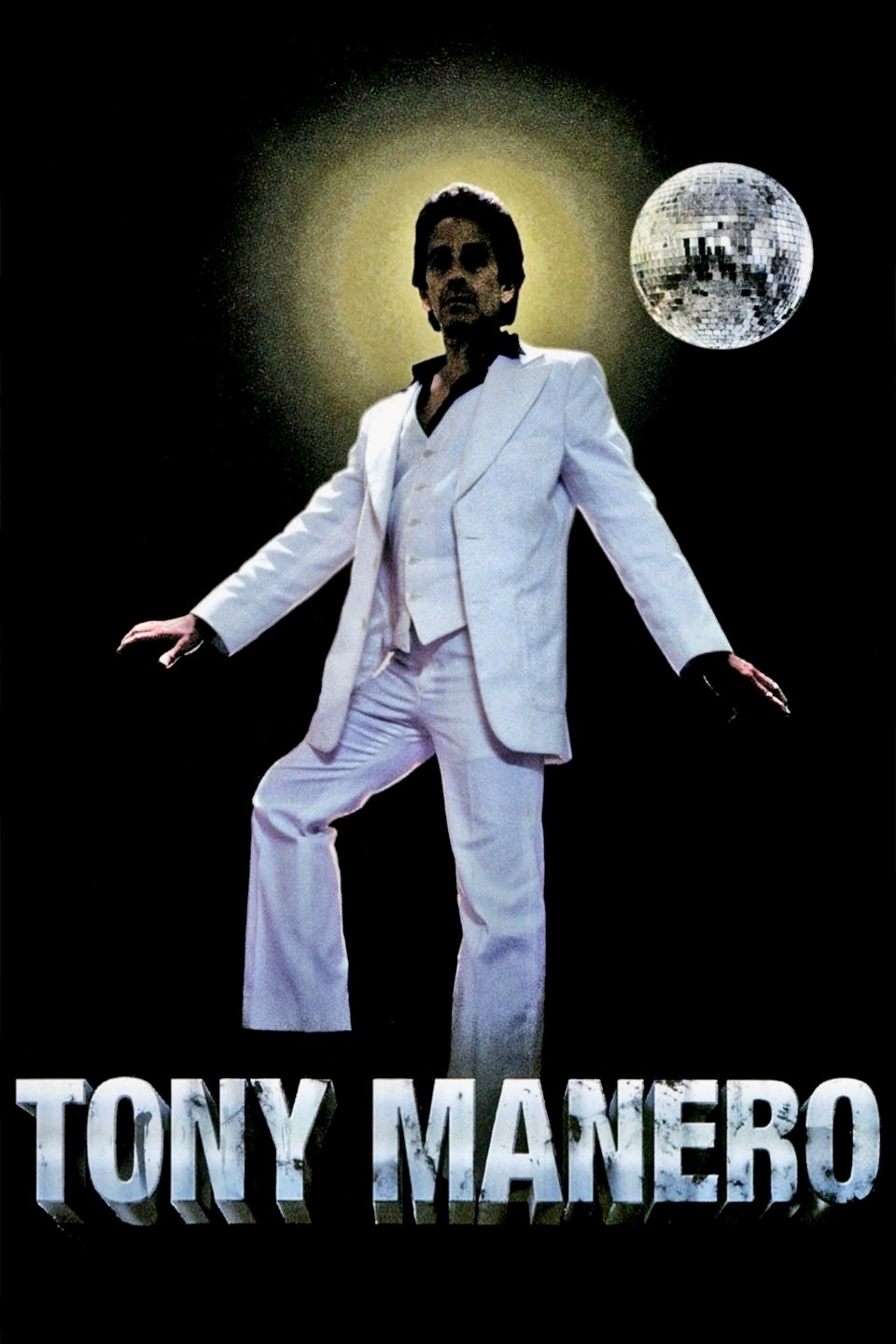
When Saturday Night Fever opened in theaters in the U.S. in 1977 and went on to become the third highest grossing film of the year, the disco craze was near the end of its popularity. That style of dance music that started in the early 1970s had effectively played out its popularity by 1980. There were plenty of movie musicals with disco soundtracks that followed in the wake of Saturday Night Fever like Thank God It’s Friday (1978), Roller Boogie (1979), Can’t Stop the Music (1980) and Xanadu (1980) but nothing that approached the success of John Travolta’s breakthrough role with the possible exception of the belated sequel, Staying Alive (1983), directed by Sylvester Stallone with Travolta returning as the main character, Tony Manero. Flash forward 25 years to 2008 and Tony Manero is once again a cultural touchstone from the most unlikely of places – Chile. Directed by Pablo Larrain, Tony Manero is the tale of Raul Peralta (Alfredo Castro), a 52-year-old second rate entertainer/dancer who is so obsessed with the title character of Saturday Night Fever that he builds his nightclub routine around it and dreams of winning an upcoming Tony Manero dance competition. It sounds like the premise for a goofball comedy featuring Adam Sandler, Kevin Hart, Paul Rudd or some other popular comedian but Larrain’s film, despite some moments of pitch-black comedy, is a dark and disturbing portrait of someone who is a sociopathic outsider in his own country and culture.

Continue reading

Telluride Film Festival 2007 Flashback: The 34th Show

*This article originally appeared on Movie Morlocks, Turner Classic Movies’s official blog in September 2007 (The blog was discontinued years ago and is no longer available available)

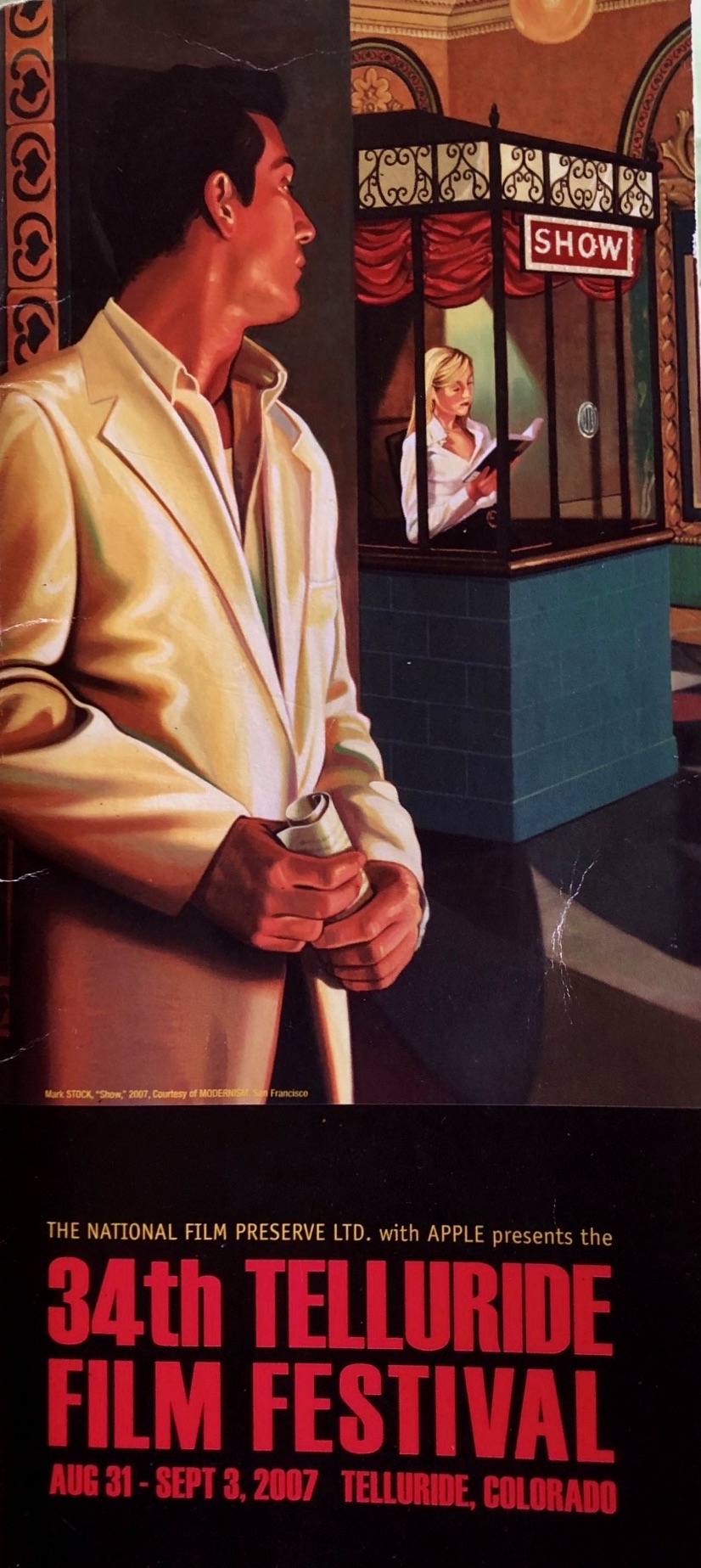
The show banners have come down and the patrons have scattered in all directions but many thoughts and impressions linger from this year’s festival. As always, Telluride was the first to host U.S. premieres of several films which are being showcased in the Toronto Film Festival, which began Sept. 6th and runs through September 15th. Among them were the 2007 Cannes festival favorites, Secret Sunshine (South Korea), 4 Months, 3 Weeks and 2 Days (Romania), plus Jar City (Iceland), Persepolis (France), Juno (U.S.), Brick Lane (UK), Blind Mountain (China), The Band’s Visit (Israel), and several others.

Continue reading

Beauty and the Sea Devil

The Russian film poster for the 1961 fantasy THE AMPHIBIAN MAN.

Science fiction and fantasy films have always been a popular staple of Russian cinema but, during the first half of the 20th century, very few of these genre films found theatrical distribution in the U.S. Among the handful that did make to American screens are Yakow Protazanov’s Aelita, the Queen of Mars (1924), Vasily Zhuravlyou’s Cosmic Journey (1936), Planeta Bur aka Planet of Storms (1962), which producer/director Roger Corman raided twice, using footage from it for Voyage to the Prehistoric Planet (1965) and Voyage to the Planet of Prehistoric Women (1968), and Ilya Muromets (1956), an epic fairy tale adventure from director Aleksandr Ptushko that was released in an edited, English-dubbed version entitled The Sword and the Dragon. Some Russian fantasy titles later popped up on American television and second-run houses in poor quality English language dubs like Sampo aka The Day the Earth Froze (1959) but my all-time favorite from this period is Chelovek-Ambibiya (English title: Amphibian Man, 1961), co-directed by Vladimir Chebotaryov and Gennadiy Kazqanskiy.

Continue reading