
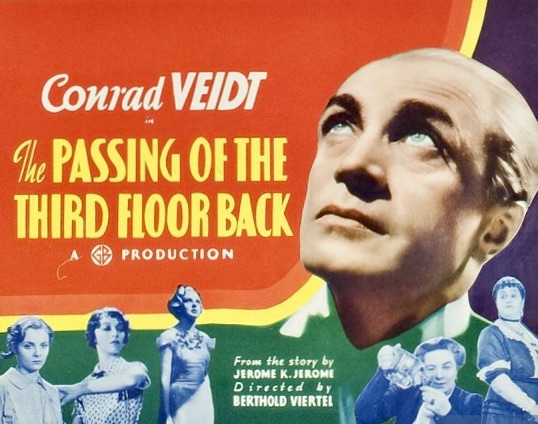
A mysterious stranger arrives at a boarding house in London and inquires about the advertised room to let. The landlady has some reservations about him but his good manners, personal charisma and willingness to pay his rent in advance convinces her he will be a respectable lodger. How many times have we seen movies that open with the same scenario where the new boarder turns out to be a suspicious character and possibly mentally unhinged? Alfred Hitchcock’s The Lodger (1927), Man in the Attic (1953), Roman Polanski’s The Tenant (1976) and The Minus Man (1999) are some of the more famous examples of this. The 1935 British film, The Passing of the Third Floor Back, however, gives us a protagonist who could be some kind of savior in disguise, a spiritual being who has come to help the unhappy and misanthropic boarders. Is he an angel, a Christ figure or maybe a figment of someone’s imagination?
Continue readingTag Archives: Young and Innocent
The Case of the Missing Raincoat
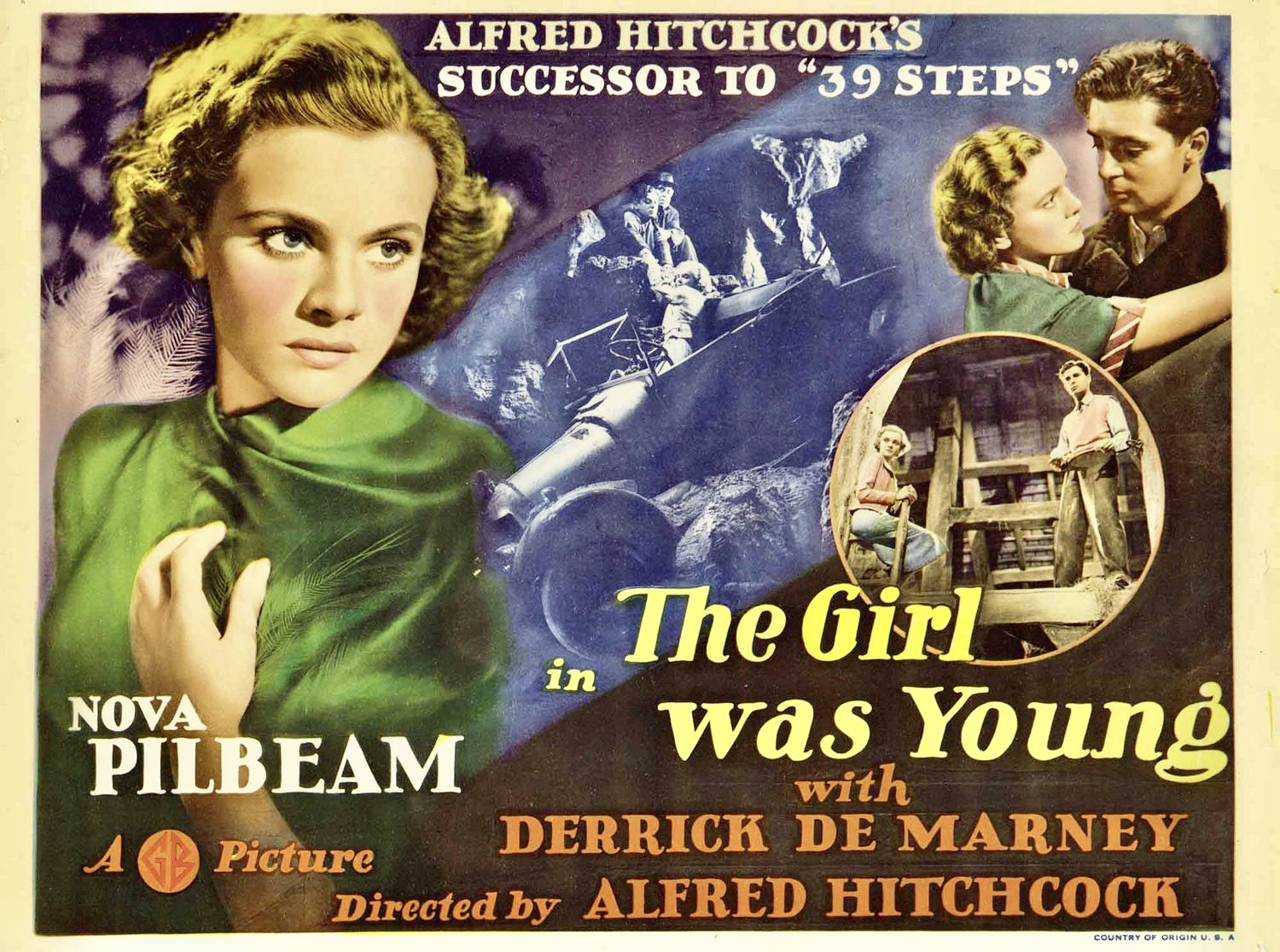
In one of the more striking opening sequences in Alfred Hitchcock’s entire filmography, a man and woman argue violently in a cliff-top mansion above the sea as a storm is brewing. A quick fade to the following morning reveals the lifeless body of a woman in the surf and the murder weapon nearby – a raincoat belt. A man walking along the dunes is the first person to find the victim and runs to get help. Two women on the beach also discover the body and see the man fleeing the crime scene, assuming the worst. When he returns with the police, he is fingered as the murderer and taken into custody, followed by a montage of newspaper headlines. All of this is accomplished in a brilliantly edited sequence of less than five minutes that not only sets the narrative of Young and Innocent (1937, U.S. release title: The Girl Was Young) in motion but could also serve as a textbook example of Hitchcock’s storyboard approach to moviemaking.
Continue reading

