Seeing is Believing

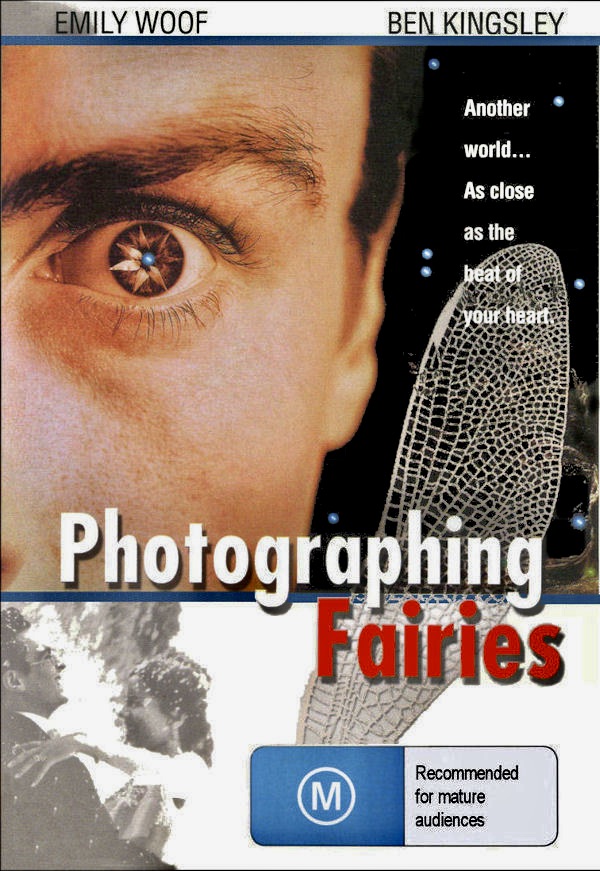
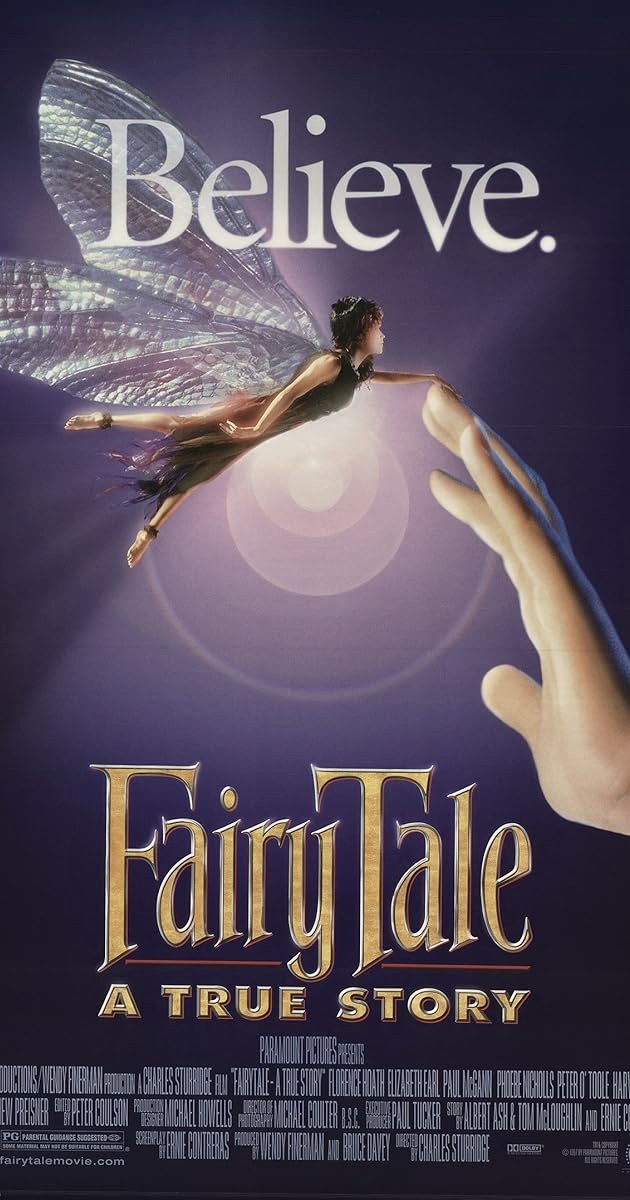
In 1917 sixteen year old Elsie Wright and her nine year old relative Frances Griffith were playing in the Wright family garden in Cottingley, England. Elsie borrowed her father’s camera to take some photos of Frances playing and a few months later she borrowed the camera again with both girls snapping photos. When the photos were developed, both girls but mainly Frances, were seen cavorting with what looked like fairies. Elsie’s father thought the photographs were faked but Elsie’s mother believed they revealed actual sprites and the photos were revealed to the public in 1919, creating an international sensation. The incident attracted the attention and support of the Theosophical Society in Bradford, England and prominent people like author Sir Arthur Conan Doyle, who was involved in the spiritualist movement, found the evidence convincing. The photographs were also denounced by non-believers like Harry Houdini, who famously campaigned against fraudulent psychics and mediums. For years, the Cottingley fairies remained a source of mystery and fascination and, in 1997, strangely enough, two different movies on the subject were produced and released in the U.K., FairyTale: A True Story and Photographing Fairies.
Continue reading

Georges Franju & Jean Cocteau: Thomas the Impostor

World War I has been the subject of some of the most powerful and prestigious films in cinema from King Vidor’s The Big Parade (1925) and Lewis Milestone’s All Quiet on the Western Front (1930) to Stanley Kubrick’s Paths of Glory (1957) and more recently, Sam Mendes’ 1917 (2019), nominated for ten Oscars including Best Picture. All of those films captured the grim horrors of the battlefield, the demoralization and death toll of the troops and the often reckless or unnecessary military strategies of commanding officers. Going against the grain is Thomas l’imposteur (Thomas the Impostor), based on Jean Cocteau’s 1923 novel which was inspired by his own experiences during WW1 as an ambulance driver for the Red Cross. Directed by Georges Franju from a screenplay by himself, Cocteau and Michel Worms, the 1965 film views war through the experiences of two idealistic dreamers, one an aristocrat, the Princess de Bormes (Emmanuelle Riva), the other an orphan (Fabrice Rouleau), who lies about his age and invents a fake backstory for himself so he can enlist. The result is a unique take on the Great War which combines the ambiance of a dark fairy tale with a realistic but emotionally detached approach to the events as they affect the two main protagonists.

Continue reading

Dream Time or Real Time?

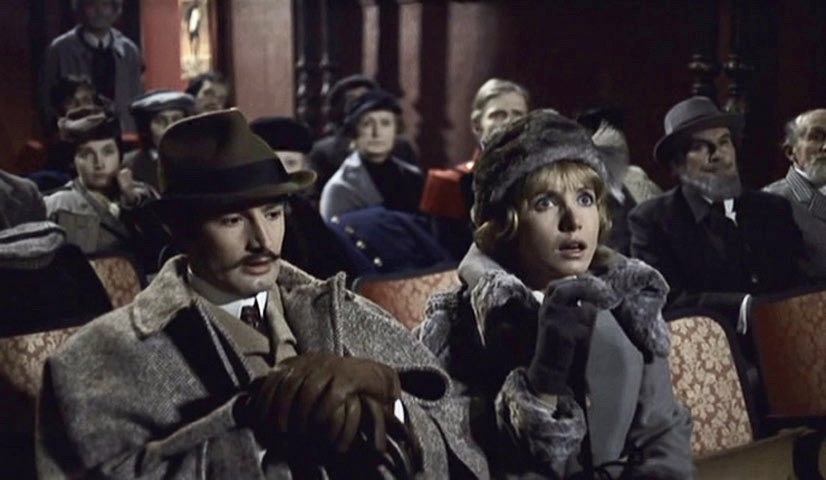
Odile (Bulle Ogier) is quite enthralled with the ingenious exploits of master criminal Fantomas on the screen but her companion Jacques (Roger Van Hool) is clearly annoyed by the whole thing in APPOINTMENT IN BRAY (1971), a French film by Belgium director Andre Delvaux.

Have you ever woken up from a dream that was almost ordinary in the way it unfolded yet it left you with a feeling that it had taken place in some ethereal twilight zone? That is the best way that I can describe the experience of watching Appointment in Bray aka Rendez-vous a Bray (1971), Andre Delvaux’s artful adaptation of the Julien Gracq short story, Le Roi Cophetua. On the surface, the film has the structure of a traditional character study but is actually much closer in tone and atmosphere to a cinematic haiku, one that offers meditative reflections on memory, friendship and the debilitating effects of war. 

Continue reading