Not Fade Away

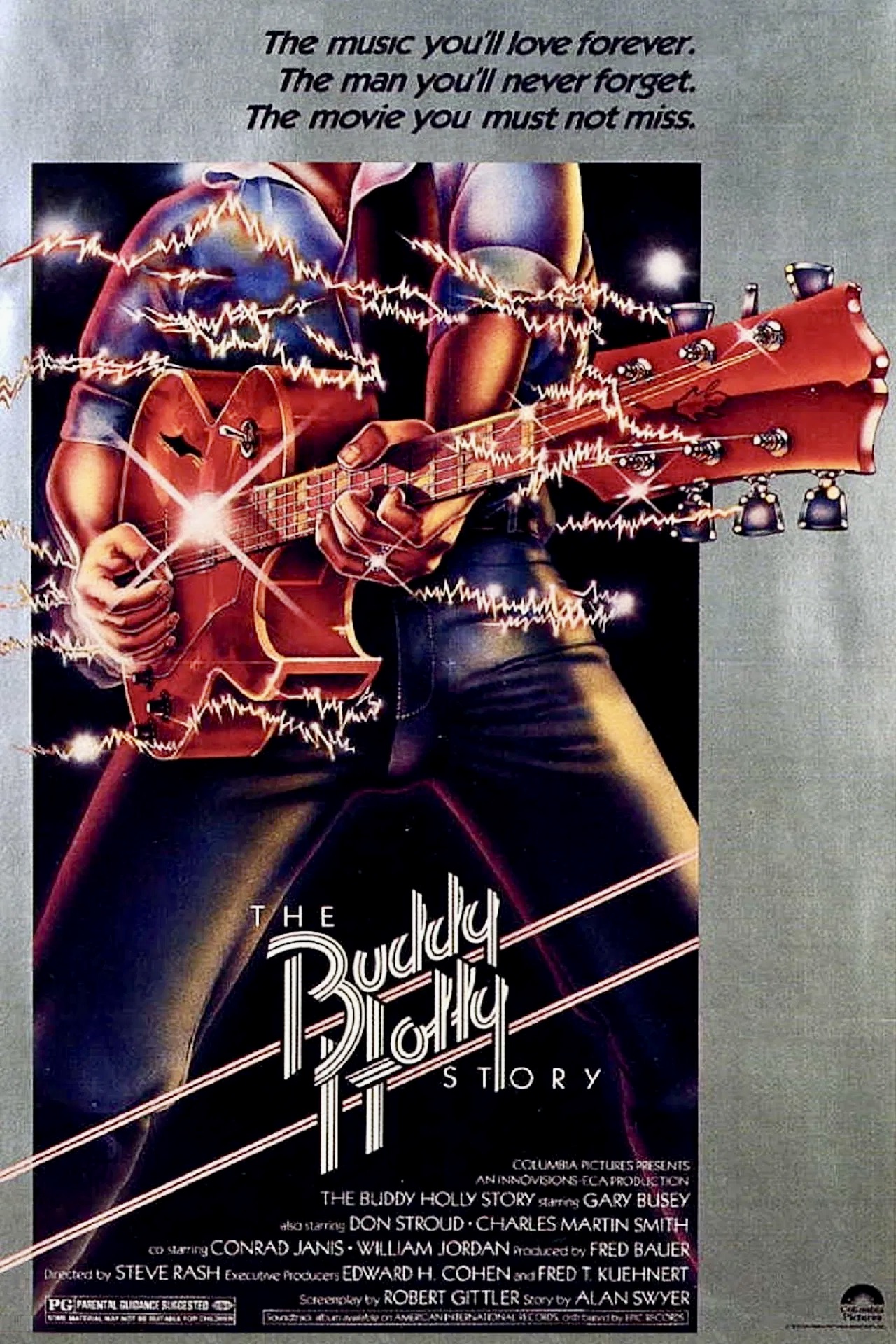
For rock ‘n’ roll fans, February 3, 1959, has a special significance. It’s “the day the music died,” because on that date Buddy Holly, one of the pioneers of rock ‘n’ roll music, was killed in a plane accident in the midwest along with Ritchie Valens and the Big Bopper. The incident robbed the world of a true musical visionary whose constant experimentation in this new music might have had an even greater impact on the recording industry had he lived. But Holly’s music had a life of its own and would later serve as inspiration to the Beatles and musicians like Marshall Crenshaw (who would eventually play Buddy Holly in La Bamba, 1987, a dramatization of Ritchie Valens’ life). In The Buddy Holly Story (1978), the legend from Lubbock, Texas, is reassessed in a thoroughly entertaining musical biography that mixes fact and fiction in equal parts, a practice Hollywood is unable to resist despite the potential for distortion and false allegations. Luckily, the film captures Holly’s charm and stubborn individuality through Gary Busey’s chameleon-like performance in the title role.

Continue reading
Behind the Scenes on Bonjour Tristesse

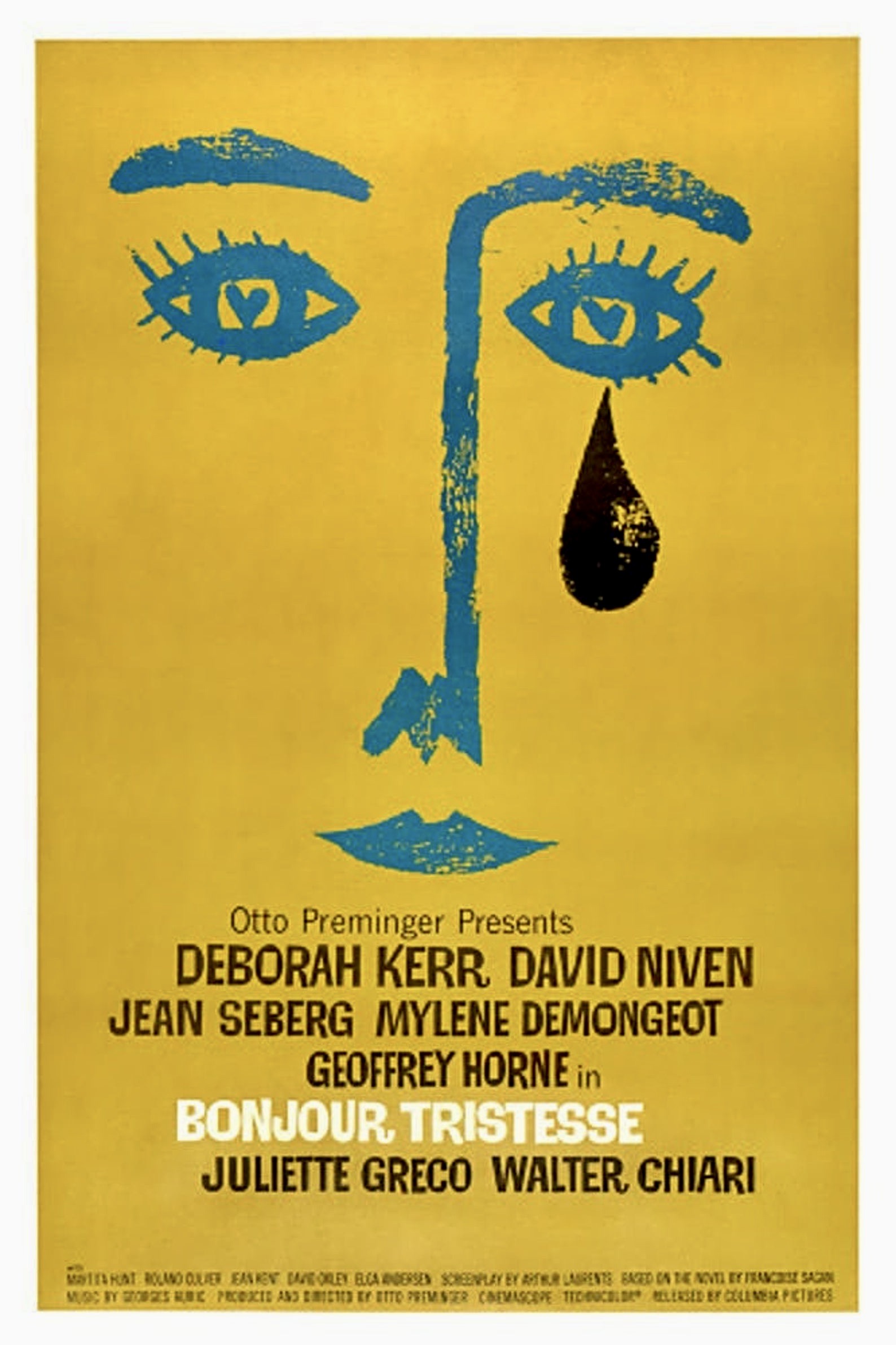
When Otto Preminger announced in 1957 that his next project would be Bonjour Tristesse, based on the best-selling novel by Francoise Sagan, and that it would star Jean Seberg, colleagues and fellow members of the film industry were astonished. After all, his previous film, Saint Joan (1957), which featured Seberg in her film debut, was probably the biggest critical and commercial disaster of Preminger’s career with most of the negative reviews focusing on the inexperienced newcomer whom Preminger had “discovered.” Was Bonjour Tristesse (1958) his attempt to prove to everyone that he was not wrong about Seberg and that her performance in his new movie would validate all the time and effort he had poured into making her an actress? The real reasons, of course, were more complicated than that. 

Continue reading

The New Orleans Streetfighter

If you have never been tempted to see Charles Bronson in one of his many top-billed action vehicles, then you also probably wonder why he enjoyed superstar status on an international level. But put aside your skepticism for a moment and consider Hard Times (1975), a Depression-era tale about a mysterious drifter named Chaney who makes a living as a bare-knuckle streetfighter.

Continue reading

Marionettes in Outer Space

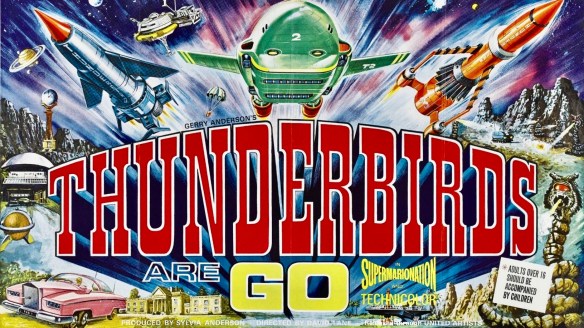
Who would have ever thought that a television show starring a cast of marionettes would be a huge hit? Thunderbirds, conceived by the writer/producer team of Gerry and Sylvia Anderson as a children’s show, unexpectedly proved to be popular with older audiences as well. But what was the attraction? Was it the meticulously detailed toy sets and sci-fi gadgetry? Or perhaps it was the novelty of watching puppet thespians who ran the gamut from boy toy pin-up Scott Tracy to high-society secret agent Lady Penelope and her Cockney manservant, “Nosey” Parker. Whatever the reasons, the surprise success of the 1964 TV series inspired the Andersons to produce a full-length feature – Thunderbirds Are GO (1966) – which continued the adventures of the Tracy family, an International Rescue team operated by millionaire ex-astronaut Jeff Tracy and his five sons.   Continue reading

Melancholy in Salt Lake City

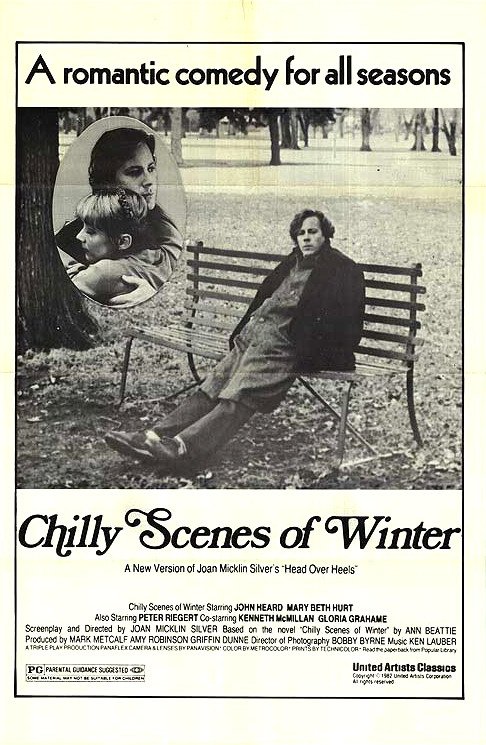
There was a time during the late seventies/early eighties when John Heard seemed destined to become a major leading man on the level of William Hurt or Jeff Bridges or some other Oscar-winning actor of his generation. He was impressive in his big screen debut opposite Lindsay Crouse in Between the Lines (1977), an indie comedy-romance about the staff of an underground newspaper in Boston, and even better in such disparate roles as Jack Kerouac in Heart Beat (1980), a self-destructive Viet Nam vet in Cutter’s Way (1981) and Nastassja Kinski’s love interest in Cat People (1982). His performance in Cutter’s Way alone deserved an Oscar nomination but Heard never received any recognition from the Academy during his lifetime. He didn’t become a star either but he kept busy as one of the most in-demand character actors in film and television. Perhaps personal problems kept him from becoming an A-list actor but it was more likely the fact that he did some of his best work in movies few people saw such as Joan Micklin Silver’s Chilly Scenes of Winter (1979), which still stands as my favorite John Heard performance. But there was a major obstacle to overcome in raising awareness of Chilly Scenes of WinterContinue reading