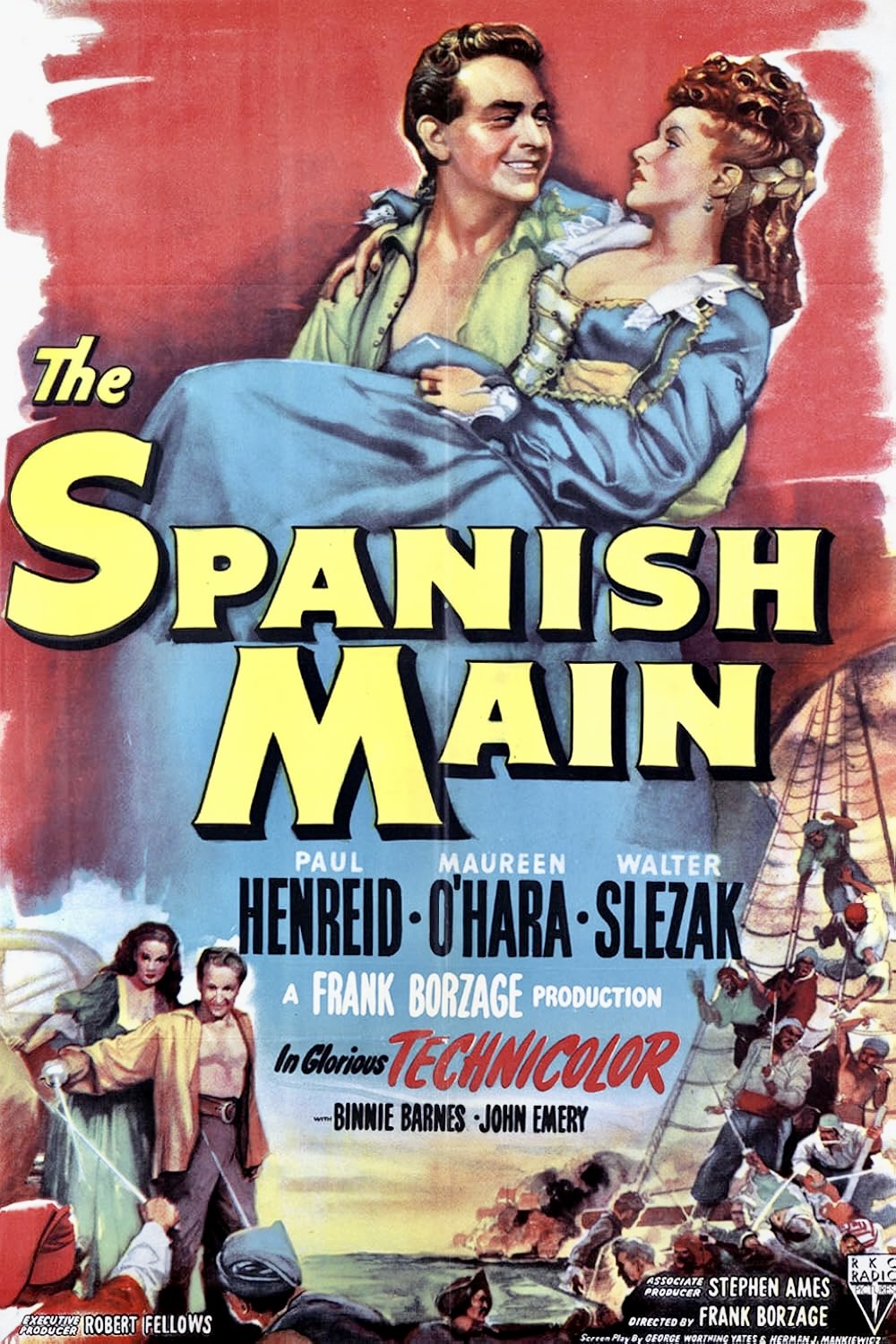
In the pantheon of great Hollywood directors from the 1930s, Frank Borzage and his films are often overshadowed by the work of such peers as Frank Capra, George Cukor and Ernst Lubitsch. Yet many film historians and scholars consider his work the equal of these better-known directors with such exemplary examples as 7th Heaven (1927) and Bad Girl (1931) – both of which won Borzage the Oscar for Best Director – plus Man’s Castle (1933), History is Made at Night (1937), Three Comrades (1938) and The Mortal Storm (1940). Often referred to as “The Great Romanticist,” whose most famous films usually focused on the redemptive power of love, Borzage began to fall out of favor in his later career when his films were seen as old-fashioned and anachronistic. But he was still capable of turning out a late period masterpiece such as the poetic film noir Moonrise (1948) as well as handle a big budget studio entertainment like The Spanish Main (1945). The latter pirate tale may seem atypical for a Borzage film but don’t forget he also dabbled in other unlikely genres such as war dramas (Flight Command, 1940) and musicals (Seven Sweethearts, 1942). It was also a rousing costume adventure which compared favorably to the swashbucklers of Errol Flynn such as Captain Blood (1935) and The Sea Hawk (1940), with the added attraction of being filmed in glorious Technicolor by George Barnes.
Continue readingTag Archives: The Mortal Storm
The Dark Side of Robert Young

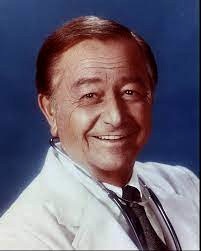
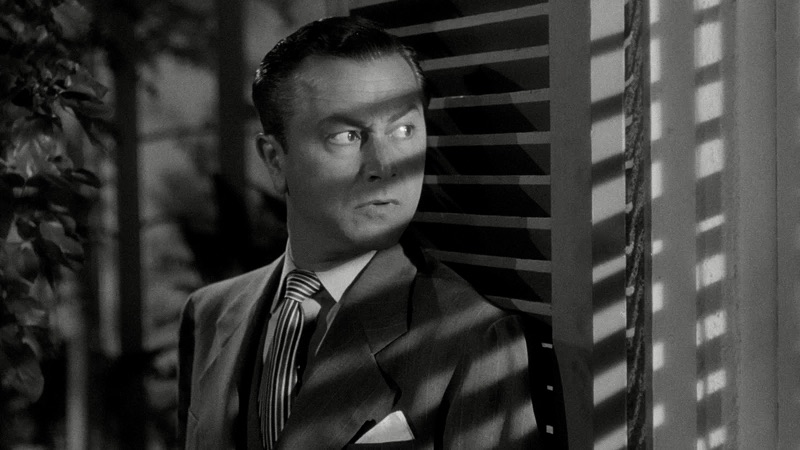
When most baby boomers think of actor Robert Young, they probably recall his popular TV medical series Marcus Welby, M.D. (1969-1976) where he was the epitome of the kind, compassionate doctor or they remember Jim Anderson, the perfect dad in the all-American family sitcom Father Knows Best (1954-1960). He was also typecast as “Mr. Nice Guy” in most of his Hollywood films, playing cheerful romantic leads or the leading man’s best friend or some other debonair, noble or well-intentioned character who rarely made a strong impression compared to more assertive male leads like Clark Gable, Gary Cooper or Spencer Tracy. But there were several occasions when Young discarded his good guy image by playing shadowy characters, outright villains, or damaged human beings. Among these atypical casting choices, Young is most memorable in Alfred Hitchcock’s Secret Agent (1936) as an undercover spy, a budding fascist in The Mortal Storm (1940), a shellshocked and physically maimed war veteran in The Enchanted Cottage (1945), a complete cad and accused murderer in the underrated film noir They Won’t Believe Me (1947), directed by Irving Pichel, and an architect who is suspected of being a dangerous criminal in The Second Woman (1950).
Continue readingA Case of Bad Timing
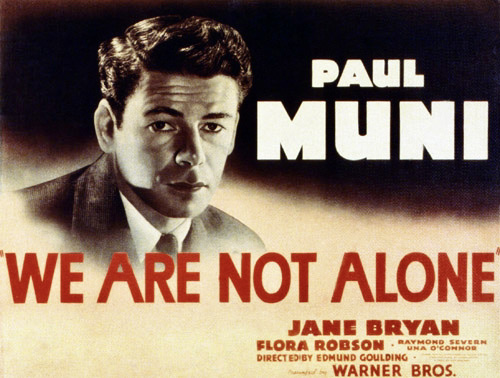
Everyone knows 1939 was a banner year in American cinema and probably the peak of the studio system. Mr. Smith Goes to Washington, Stagecoach, Wuthering Heights, The Hunchback of Notre Dame, The Women, The Wizard of Oz and Gone With the Wind were just a few of the iconic American movies that premiered that year. In fact, so many films of superior quality were released in 1939 that it was inevitable that a few of them would fall between the cracks and go undiscovered. One of these was We Are Not Alone which was virtually ignored by the public despite appearing on several critics’ top ten lists. Yet, it seemed to have all the necessary ingredients for Best Picture nominee.
Continue reading