The Spider and the Fly

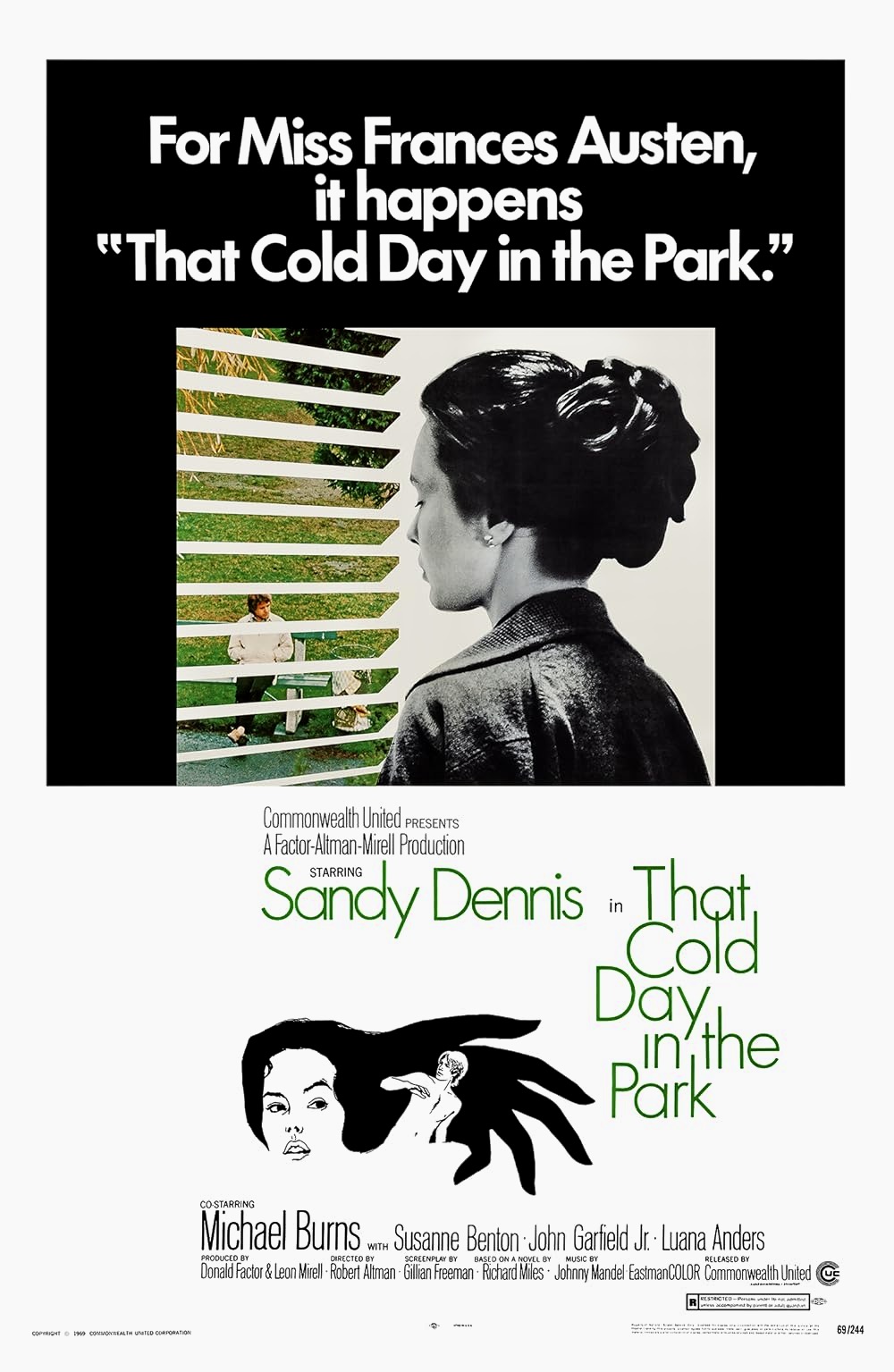
Most film critics and movie lovers point to Nashville (1975) as Robert Altman’s masterpiece, although I’ve always been partial to his unique spin on the Western, McCabe and Mrs. Miller (1971). I also admire an earlier film that he directed that was conspicuously absent or missing from his filmography in most of the obituaries on the director after he died. That Cold Day in the Park was made between Countdown (1967) and M*A*S*H* (1970) in 1969 and was based on a novel by Richard Miles. The screenplay was by British screenwriter Gillian Freeman, who had written the novel and film adaptation of The Leather Boys (1964), Sidney J. Furie’s drama about a troubled working class marriage and the husband’s friendship with a closeted gay biker.
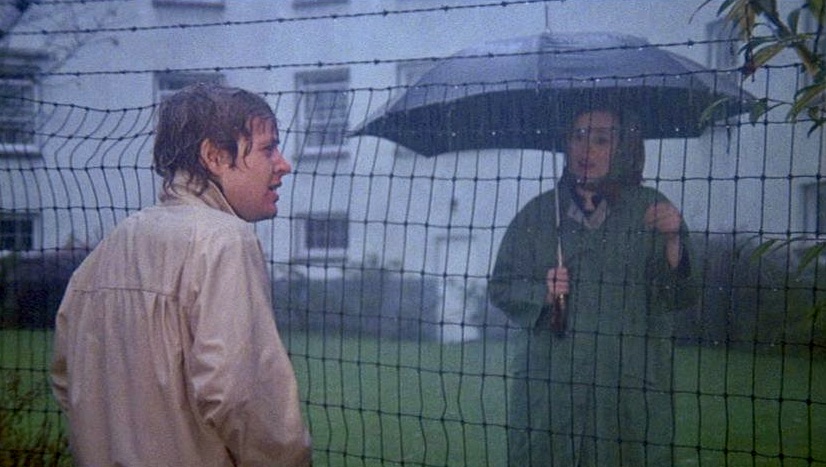
Frances (Sandy Dennis) invites a seemingly homeless man (Michael Burns) to her apartment to dry off from the rain in THAT COLD DAY IN THE PARK (1969), directed by Robert Altman.

A gender twist on John Fowles’s The Collector, That Cold Day in the Park stars Sandy Dennis as Frances Austen, a lonely spinster whose apartment overlooks a park in Vancouver. One wet, wintry day she spots a young man on a park bench who appears to be homeless. She invites him into her home to get warm but ends up encouraging him to stay. The fact that the stranger (Michael Burns) pretends to be mute only adds to the ensuing strangeness. His little joke backfires, however, when he arouses Dennis’s long-suppressed sexual feelings and becomes a prisoner in her apartment.

Continue reading

In the Doghouse

Sigrid, a part-time cashier and psychology student, wants some romance in her life and feels empowered to arrange a meet-up on the Tinder dating app with Christian. They meet for drinks at a café and Christian turns out to be handsome, charming in his own shy way, a perfect gentleman and, as we learn later, independently wealthy. The date goes well and the couple go back to Christian’s home and spend the night together but, in the morning, Sigrid realizes they are not alone. She is greeted by his dog Frank, who is actually a man in a dog costume. But this is not a prank or performance art. This is the real world inside Christian’s domain. At this point any sensible person would flee the premises, right? And Sigrid does at first. Of course, the viewer already knows from the opening frames of Good Boy (2022), written and directed by Norwegian filmmaker Viljar Boe, that Christian is eccentric. Who else would fix a gourmet meal of steak, roasted potatoes and asparagus for their pretend dog and serve it in a doggie. bowl? And if Christian seems odd, what does that say about the guy in the dog suit?

Continue reading

Having a Wild Weekend

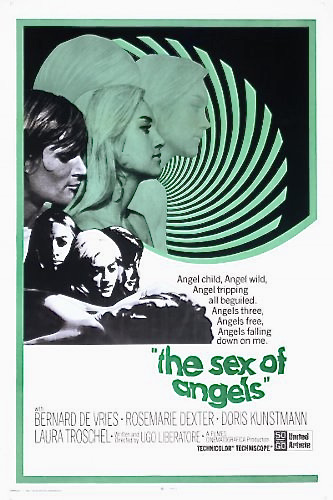
In the late sixties there were a number of sun-drenched erotic romps from Italy filmed in picturesque settings around the Mediterranean such as Giuliano Biagetti’s Interrabang (1969) and Ottavio Alessi’s Top Sensation aka The Seducers (1969). Most of these promised and delivered sexy scenarios with abundant nudity (primarily female), murder and risqué situations for the sexploitation crowd. The Sex of Angels (Italian title: Il Sesso degli Angeli, 1968) comes on like the ultimate softcore fantasy but turns out to be a complete tease. In fact, unlike others of its ilk, The Sex of Angels is actually a morality tale about the consequences of hedonism as well as a critique of the free love generation.

Continue reading

Terence Stamp is Timeless

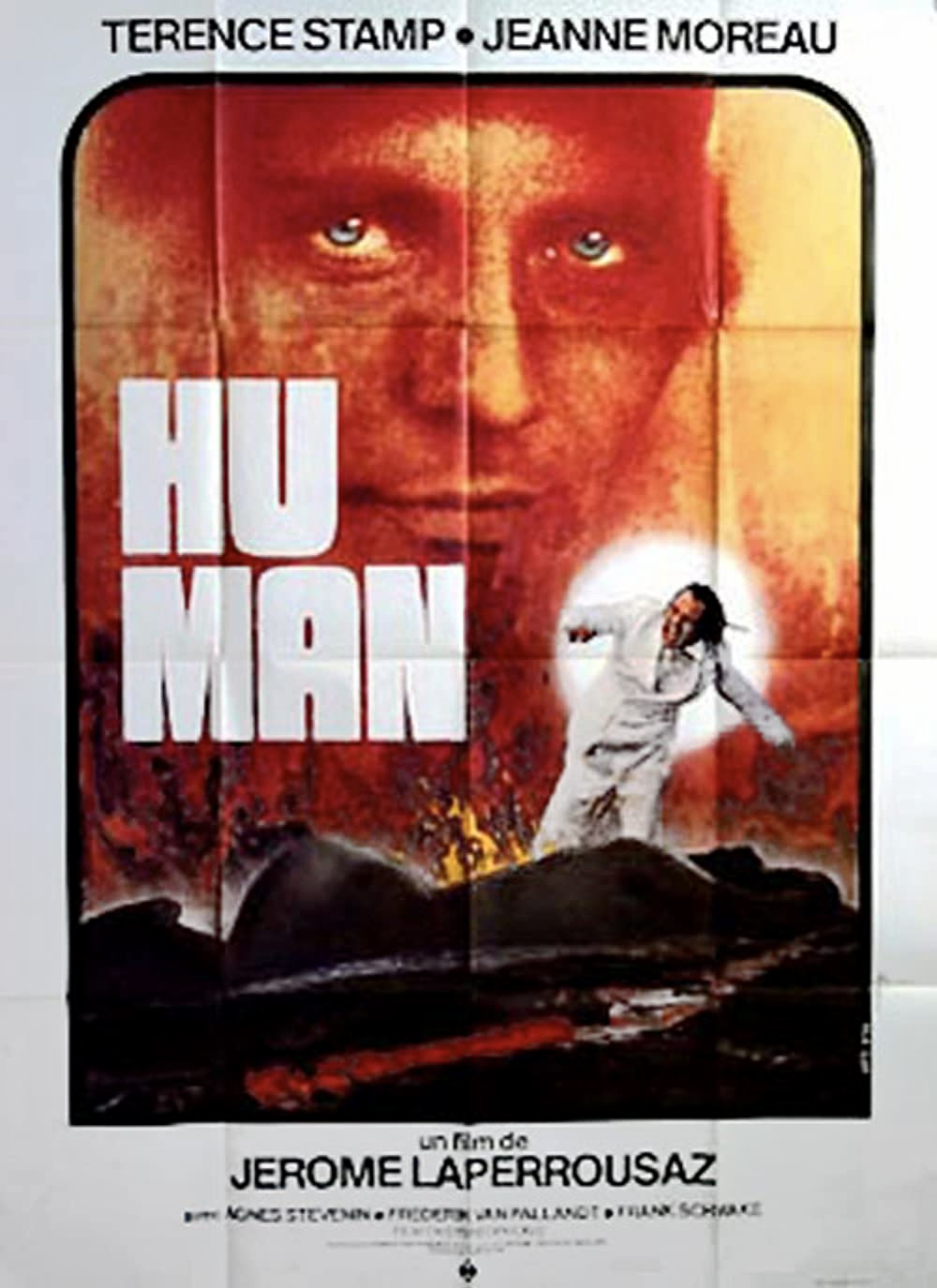
Time travel has been explored in countless science fiction novels and movies over the years but it is not often treated in such an abstract and ethereal manner on screen as it is in Hu-Man, a 1975 French film from director Jerome Laperrousaz. Except for popping up at a few film festivals in the seventies, Hu-Man went missing for years and was assumed to be lost until clips from it appeared in 1998 on the BBC interview series Scene by Scene, hosted by Mark Cousins. Terence Stamp, the star of the film, was the subject of a career retrospective and Cousins was particularly interested in asking Stamp about some of the more challenging and unusual roles in his filmography such as Hu-Man.

Continue reading

Raymond Burr + Natalie Wood = Cute Couple

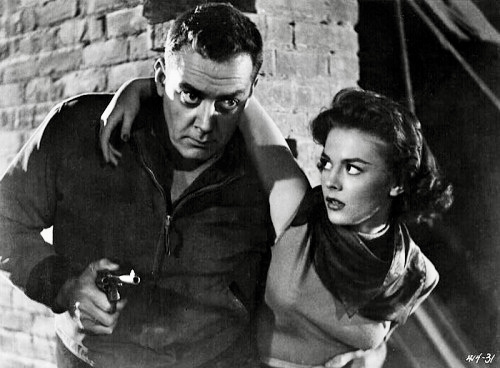
You probably couldn’t find a more unlikely friendship in Hollywood during the fifties than the one between Raymond Burr and Natalie Wood but most biographies of Wood document this little-known period of the actress’s life. The 38-year-old actor and the 17-year-old ingenue became close friends and possibly more during the making of A Cry in the Night (1956), in which he played an unhinged stalker and she was his victim.  

Continue reading