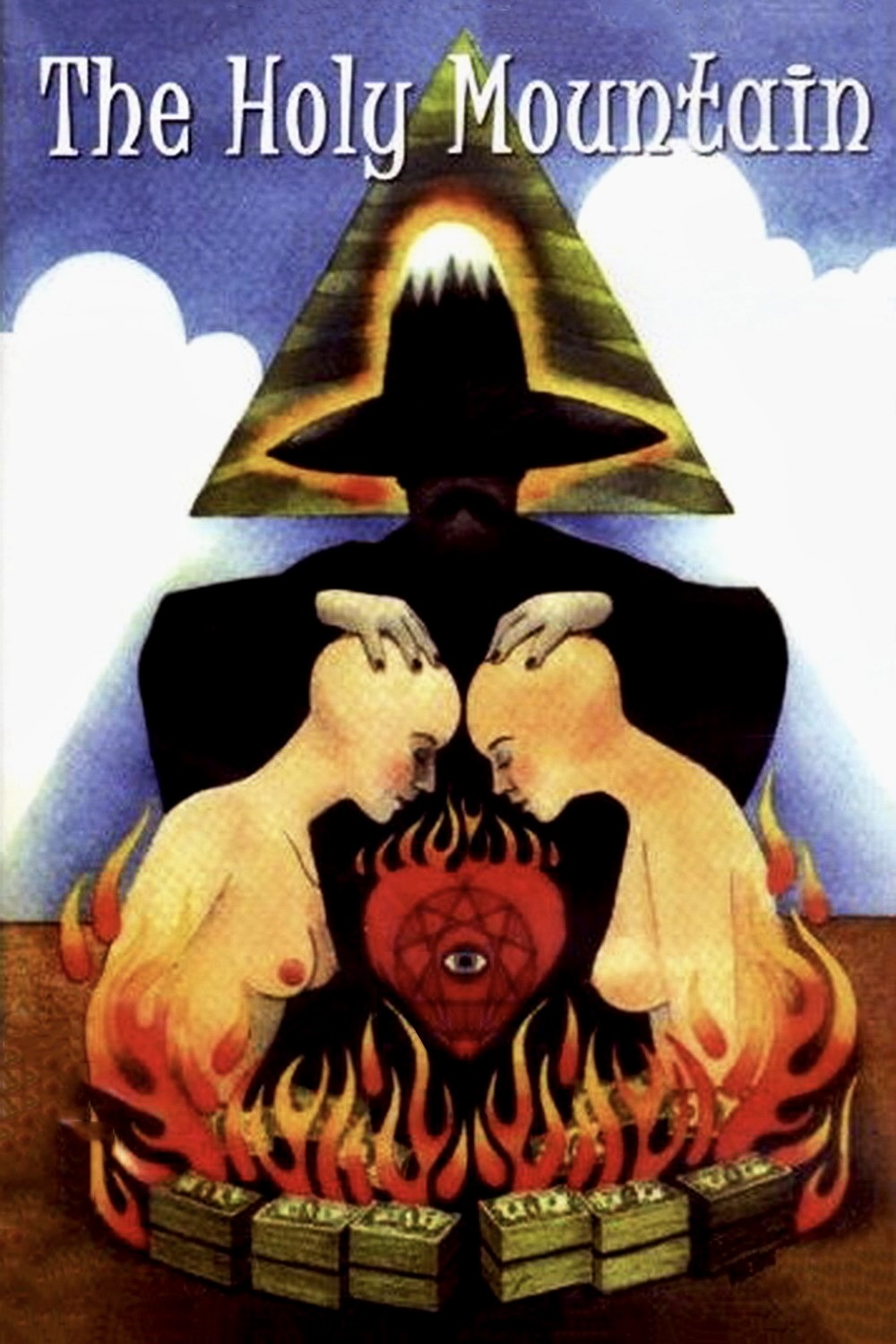
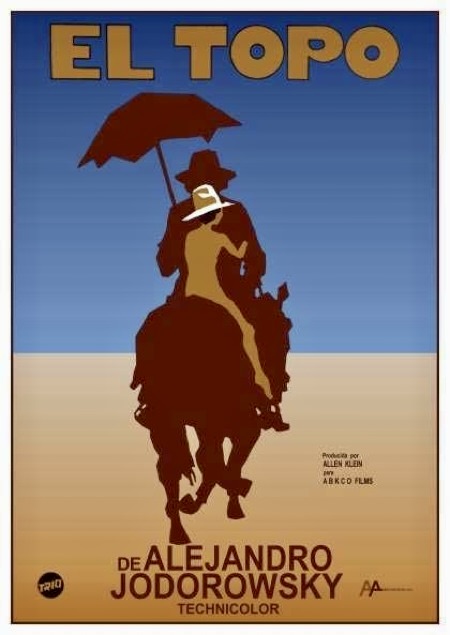
Remember when midnight movies were popular with young moviegoers in the 18 to 25 age range in the early seventies? It was the Elgin theater in New York City which helped launch this cultural phenomenon with late night screenings of offbeat and unusual films. Some of the early discoveries which went on to become bona fide cult hits were Night of the Living Dead (1968), Harold and Maude (1971), Pink Flamingos (1972), The Harder They Come (1972), The Rocky Horror Picture Show (1975) and Eraserhead (1977)? Before any of these movies became perennial fan favorites, however, Alejandro Jodorowsky’s El Topo (1970) was the first one to fly its freak flag and is generally acknowledged as the first midnight movie to prove there was a younger generation hungry for alternative viewing experiences The film, in which a mysterious desert nomad must prove himself against four master gunmen and then rescue a community of disabled people from an evil tyrant, played at the Elgin for almost a year due to an enthusiastic word of mouth campaign. What should have enjoyed the same success as El Topo was Jodorowsky’s follow-up film, The Holy Mountain (1973), but due to a disagreement over ownership rights between the filmmaker and the distributor Allen Klein (manager of The Beatles at the time), it was restricted to playing only New York’s Waverly Theater for a specific period of time and then withdrawn from distribution for almost 34 years. It finally resurfaced in a restored print at Cannes in 2006 and then premiered on DVD in 2007 but its absence on the midnight movie scene in the seventies led many cinephiles to assume that The Holy Mountain was not equal to El Topo. If anything, I think The Holy Mountain is much more audacious, bizarre, provocative and visually dazzling than anything Jodorowsky has made before or since.
Continue readingTag Archives: The Beatles
Life After the Bomb
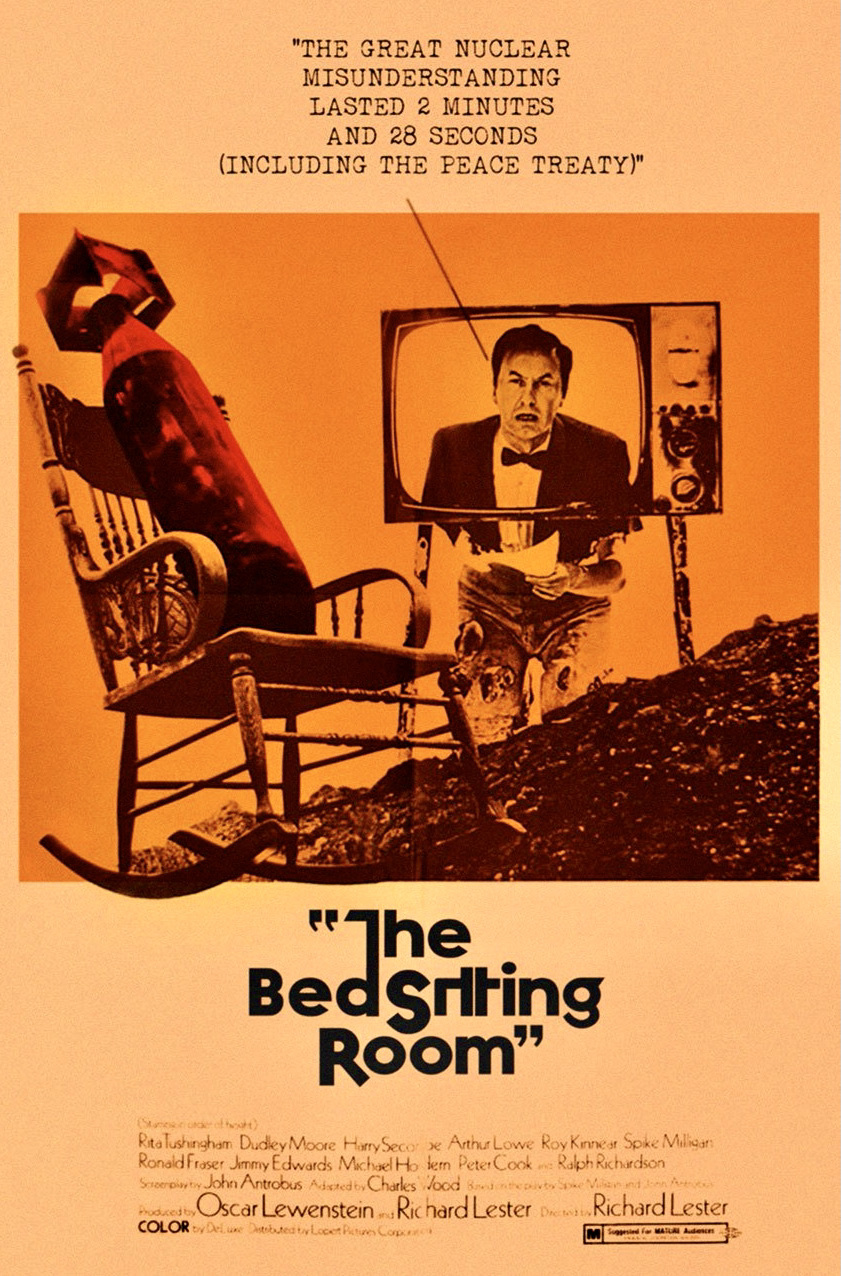
What would life be like after a global apocalyptic event or would there be any life at all? It is certainly a topic that has inspired filmmakers to create an entire subgenre upon the premise. Some of the more famous and/or infamous efforts have usually focused on a handful of survivors like Arch Oboler’s low-budget message melodrama Five (1951), Stanley Kramer’s On the Beach (1959), the interracial menage-a-trois of The World, the Flesh and the Devil (1959) and Roger Corman’s similar three-character B-picture, The Last Woman on Earth (1960). Other variations have been more epic in scope and ambition with a distinct sci-fi/horror approach like the various film versions of Richard Matheson’s I Am Legend, The Road Warrior (1981) and other Mad Max sequels and clones as well as post-apocalyptic zombie flicks like World War Z (2013). Comedies about life-after-the-bomb, however, are a rarity but probably the weirdest and most deeply cynical of them all is The Bed-Sitting Room (1969), directed by Richard Lester.
Continue readingConfessions of a Girl Watcher
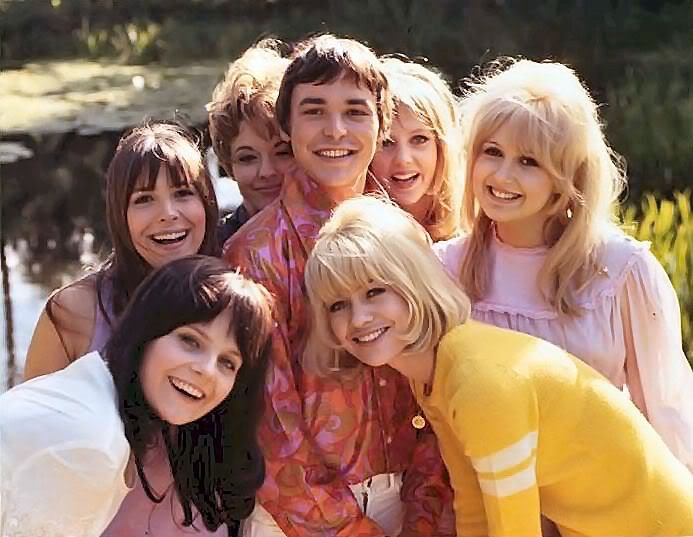
Among the many films to emerge from the “Swinging London” film phenomenon of the sixties, Here We Go Round the Mulberry Bush (1967) followed in the wake of such popular titles as Georgy Girl (1966), Morgan! (1966) and Alfie (all 1966) but is not as well known to American audiences. Based on Hunter Davies’ first novel, the film is a giddy, high-spirited time capsule of its era with day-glo colors, groovy fashions, British slang and playful cinematic techniques influenced by Richard Lester’s Beatles films such as speeded up motion, still frames, and the breaking of the fourth wall; the protagonist, Jamie McGregor (Barry Evans), constantly addresses the viewer in the manner of a confessional. Continue reading
Richard Lester’s Feature Film Debut with the Mad Jazz Beat
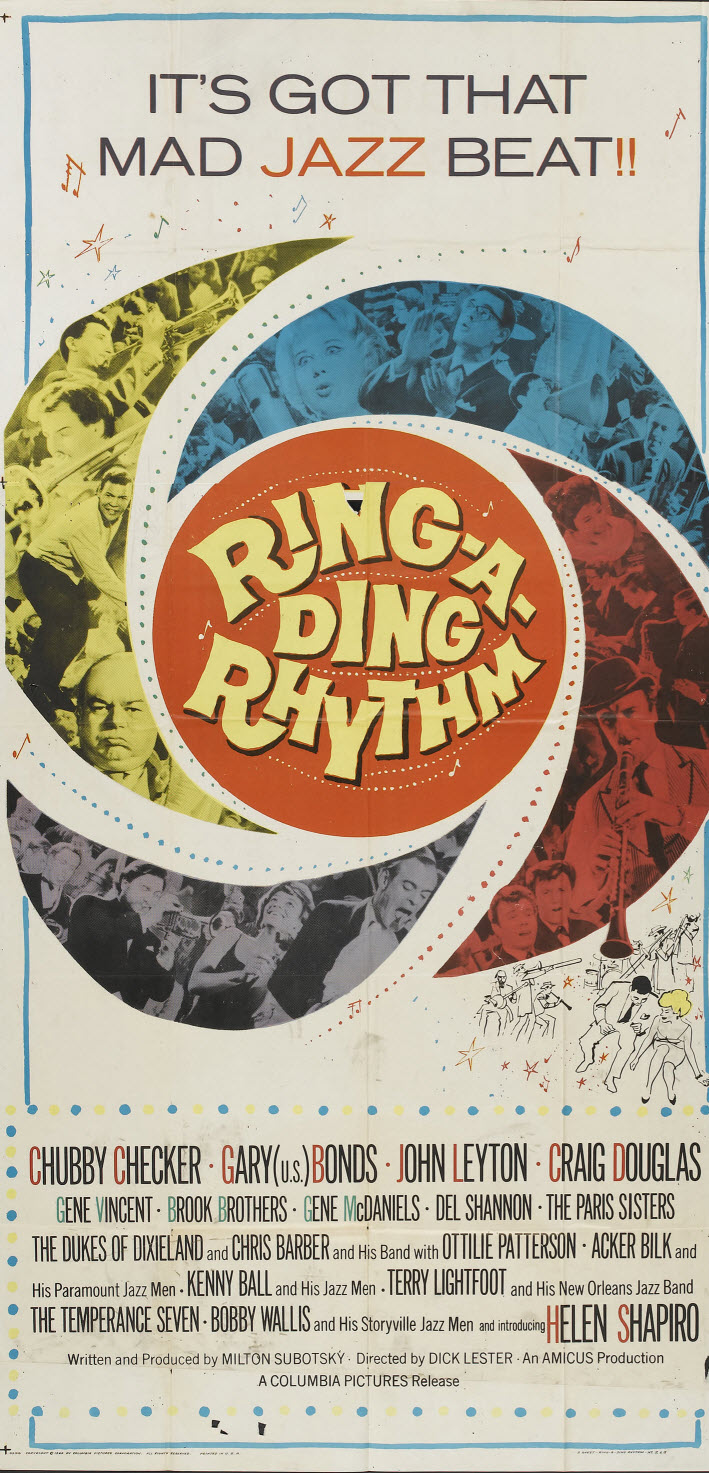
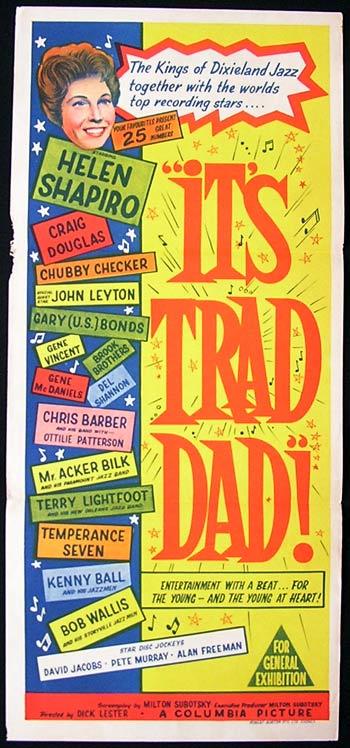
While producer Sam Katzman was busy exploiting the youth culture in the U.S. with quickie productions like Twist Around the Clock (1961) and Don’t Knock the Twist (1962), his contemporary Milton Subotsky was doing the same in England but with a different musical focus. London was in the midst of a British jazz revival driven by the music of New Orleans and Dixieland and this is the sound that inspired It’s Trad, Dad! (1962, aka Ring-a-Ding Rhythm), which also marks the feature film debut of Richard Lester, whose subsequent film was A Hard Day’s Night (1964) for The Beatles. Subotsky didn’t just stack the deck with jazz groups though; he also added a generous helping of current pop acts and even tried to scoop Katzman with showcasing Chubby Checker in the new novelty dance, the twist (Katzman still beat him to the punch with Twist Around the Clock which was released first in the U.S.).
Continue reading