Avenging Apparitions

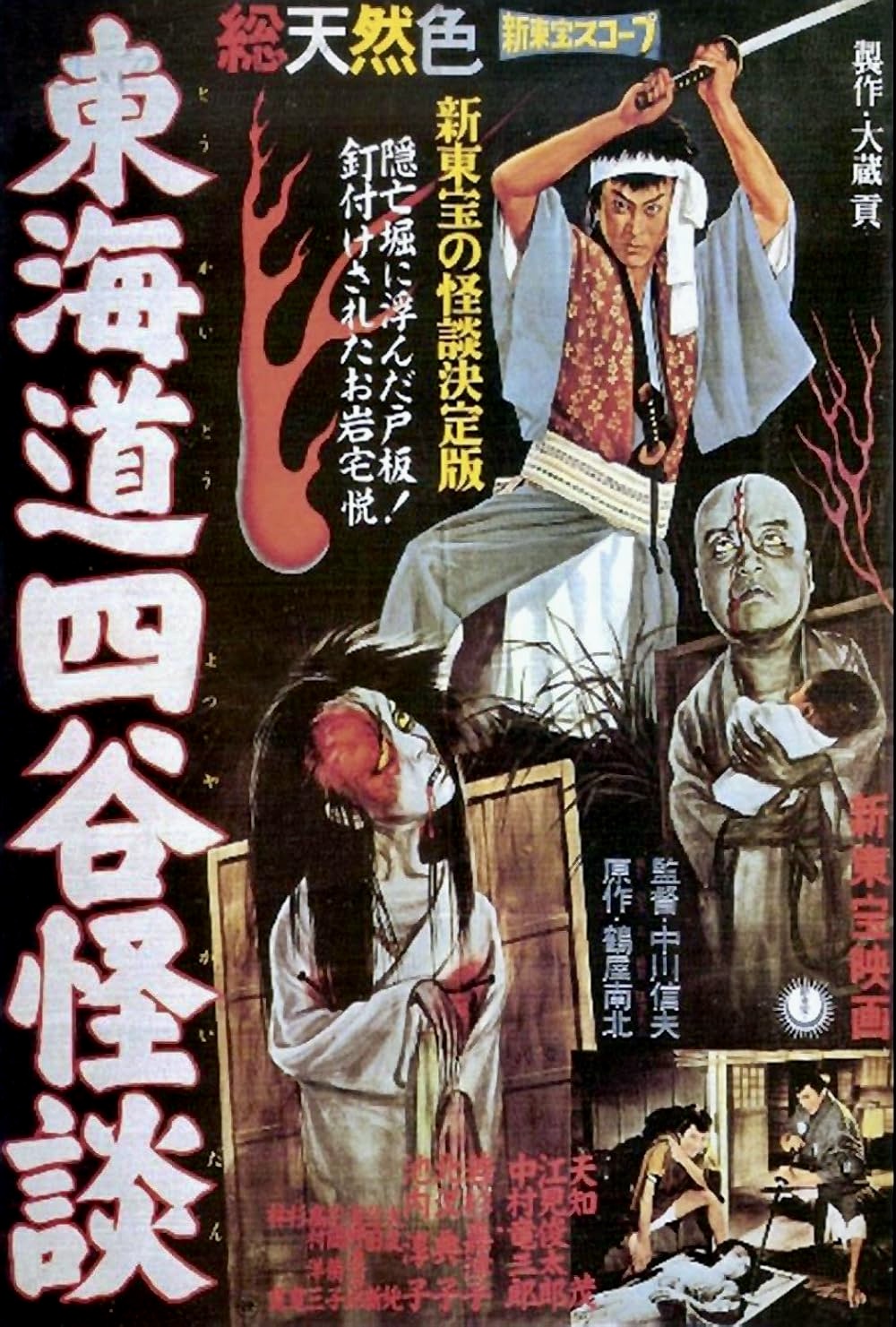
The Japanese film poster for THE GHOST OF YOTSUYA (1959), directed by Nobuo Nakagawa.

Based on a kabuki play written in 1825 by Nanboku Tsuruya, The Ghost of Yotsuya (Japanese Title: Tokaido Yotsuya Kaidan) is one of the most popular and famous of all Japanese ghost stories. It has been filmed countless times over the years but Nobuo Nakagawa’s 1959 version of The Ghost of Yotsuya might be the definitive version. The story is one of fate, passion, betrayal and revenge – all classic themes of kabuki theatre and Greek tragedy.

Continue reading

Assassination Games

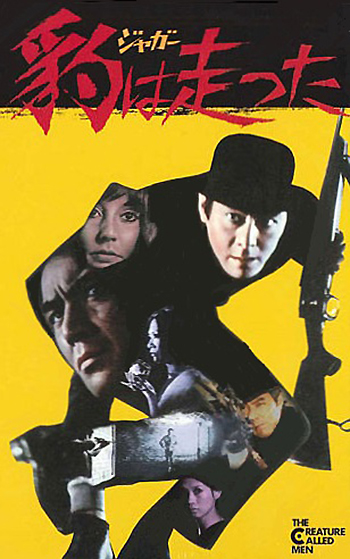
The film poster for JAGA WA HASHITTA (1970), a Japanese film that is also known as THE CREATURE CALLED MAN.

In the late 1960s and early 1970s Toho Studios began toying with some of its genre offerings by slipping some social or political references into the narratives while adding additional cinematic influences. A prime example of this is the 1970 Japanese film Jaga Wa Hashitta (English title: The Creature Called Man), an offbeat actioner about rival hit men with obvious references to the James Bond spy series as well as American crime thrillers.

Continue reading

Only a Pawn in Their Game

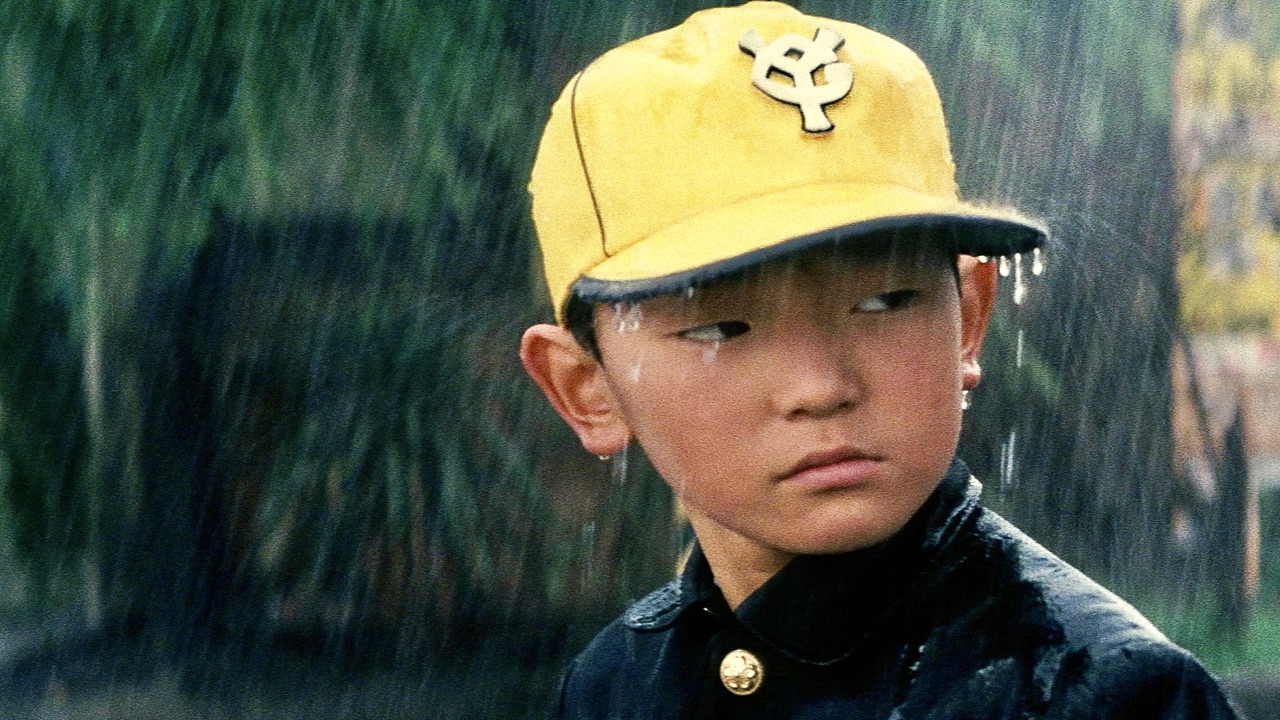
Tetsuo Abe in his only film role plays a ten-year-old boy who is used by his parents in a dangerous extortion scheme in Nagisa Oshima’s Shonen aka BOY (1969).

Not everyone has an idyllic childhood and some unfortunates don’t even have a childhood at all. That is certainly the case with Toshio (Tetsuo Abe), a ten-year-old who is being used by his father Takeo (Fumio Watanabe) and stepmother Takeko (Akiko Koyama) in an ongoing scam which entraps car drivers. The ploy involves stepping out into traffic, pretending to be hit by a car, and falling to the ground and feigning an injury. If the driver doesn’t offer to settle the incident on the spot with a cash payment, the fake victim threatens to call the police to settle the matter. In many cases, the drivers are only too happy to pay the scammers a cash settlement to avoid a lawsuit or court case. Toshio and his family of three (including a tiny tot named Peewee) have been on the move across Japan, enacting this scenario for some time with Takeko playing the fake accident victim. But the time has come for the parents’ ten-year-old to take on this role and he has little choice in the matter. So begins Nagisa Oshima’s Shonen (English title: Boy, 1969), a harrowing portrait of parental abuse and negligence, which was based on a true case that made national news in Japan in 1966.

Continue reading