Saint/Sinner

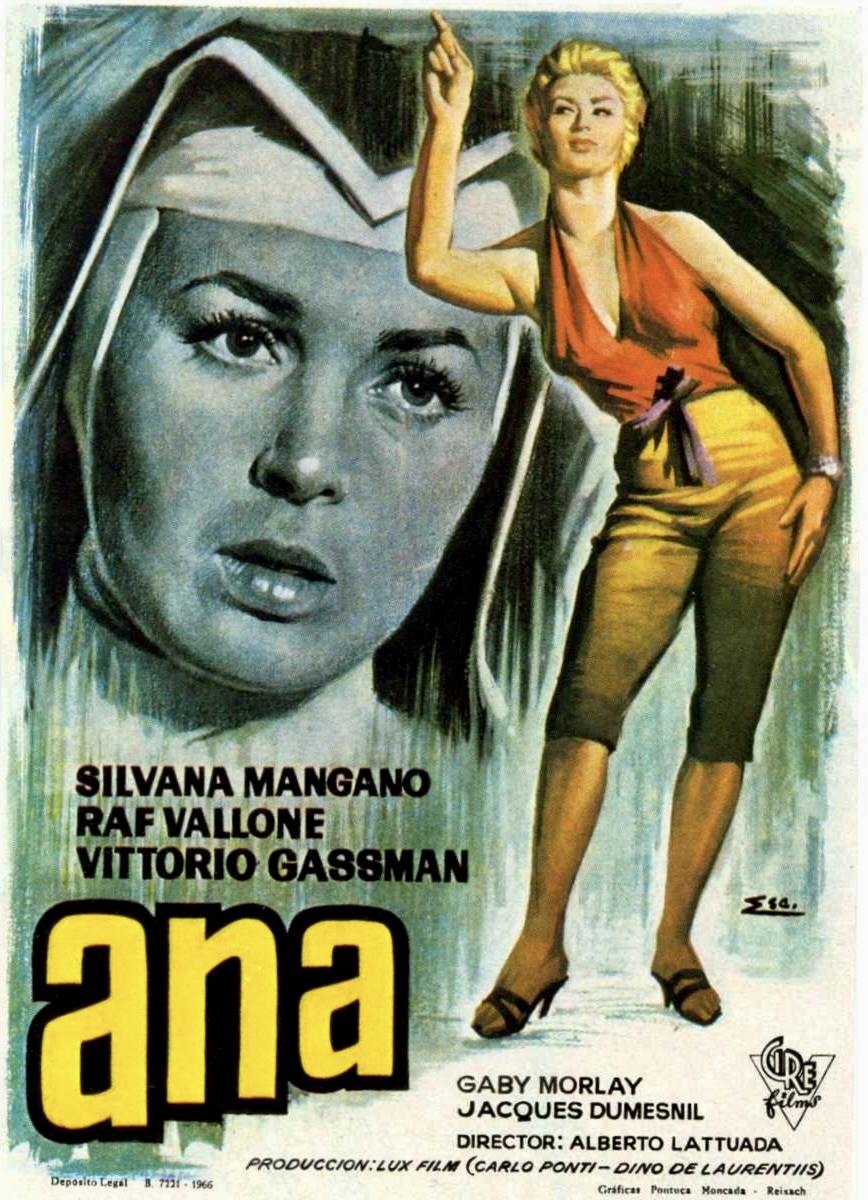
The Italian film poster for ANNA (1951).

He was a prominent and commercially successful director for most of his career but Alberto Lattuada is often overlooked when film scholars discuss the important Italian filmmakers of the postwar era. Part of the problem was that he was hard to pigeonhole due to his eclectic filmography yet he always seemed to have his finger on the pulse of Italian popular culture. And his films reflected the changing times and interests of his generation from the birth of the neorealism movement [Il Bandito aka The Bandit (1946), Senza Pieta aka Without Pity (1948)] to literary adaptations [Il Mulino del Po aka The Mill on the Po (1949), La Steppe aka The Steppe (1962)] to popular entertainments focused on female protagonists like Guendalina (1957) featuring Jacqueline Sassard in her first starring role and Nastassja Kinski in Cosi come sei aka Stay as You Are (1978). Lattuada might be just a footnote in film history due to his collaboration with Federico Fellini on Luci del Varieta (English title: Variety Lights, 1950) but Italian audiences flocked to his films and they made his 1951 melodrama Anna starring Silvana Mangano (in the title role) into a major box office smash.

Continue reading
Fotoromanzi Fantasy

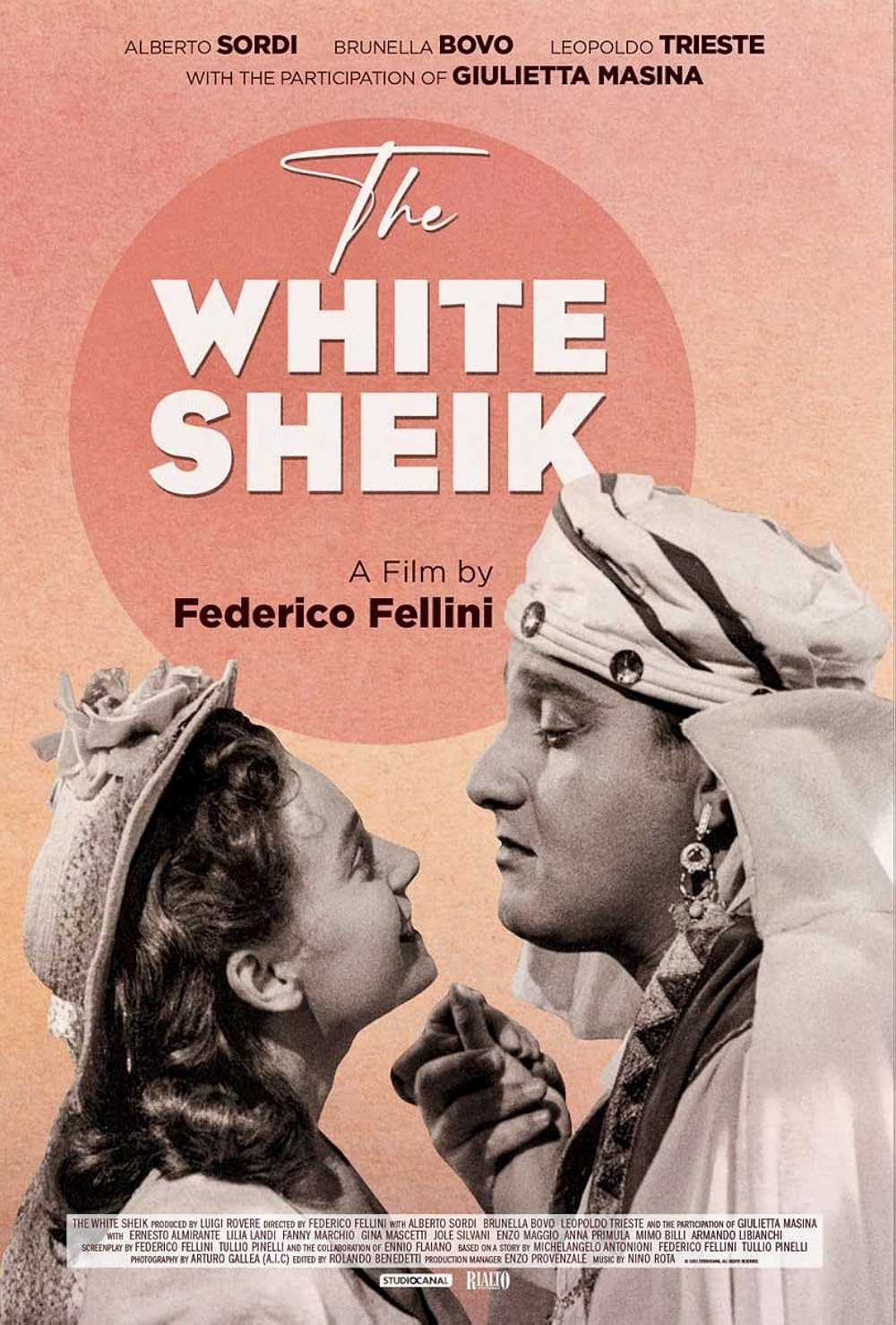
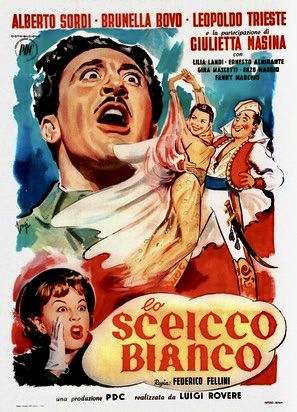
“With Paisan, I knew that I wanted to be a film director. I thought maybe this was where my future was, not as a journalist. It was with The White Sheik that I knew I was a film director.” – Federico Fellini (from I, Fellini by Charlotte Chandler)

In The White Sheik (Italian title: Lo Sceicco Bianco, 1952), Fellini’s first solo directorial effort (he co-directed Variety Lights with Alberto Lattuada the previous year) he drew upon his experiences as a journalist and script writer to tell a bittersweet story about a provincial newlywed couple vacationing in Rome for their honeymoon. Wanda (Brunella Bovo), the young bride, is a naive romantic, prone to impulsive behavior and passionate fantasies. She is also an avid fan of fotoromanzi (a comic book with photo captions instead of cartoon drawings) and is secretly infatuated with “The White Sheik,” the hero of her favorite series.

Continue reading

On the Loose in Amsterdam

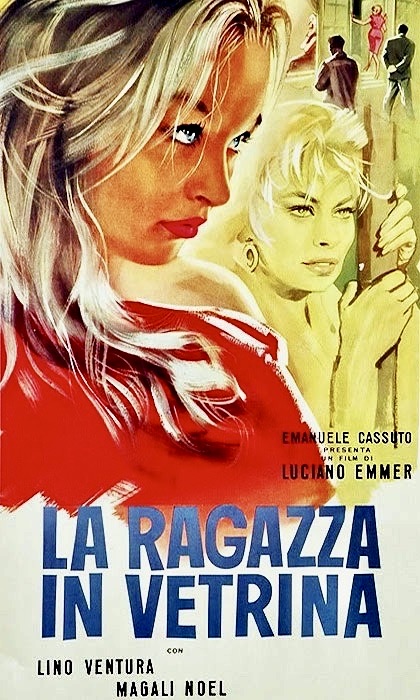
The Italian film poster for THE GIRL IN THE PICTURE WINDOW (1961), directed by Luciano Emmer.

The controversial problem of immigration in Italy has been a problem for decades, not just with internal migration of workers from the south to the north, but also with the influx of refugees from Africa and other areas around the Mediterranean. Not surprisingly, there have been numerous Italian films to address this situation over the years but only a handful of them have received praise and recognition outside their own country. Among them are Pietro Germi’s Il Cammino della Speranza (The Path of Hope, 1950), in which a group of Sicilian workers try to emigrate illegally to France, I Magliari (The Swindlers, 1959), Francesco Rosi’s drama about an out-of-work Italian miner (Renato Salvatore) in Germany, and Lina Wertmuller’s Tutto a Posto e Niente in Ordine (All Screwed Up, 1974), which focuses on immigrants from southern Italy trying to find work in Milan. To this short list, I would like to add Luciano Emmer’s rarely seen La Ragazza in Vetrina (The Girl in the Picture Window, 1961), a tale about two immigrant miners in Belgium who enjoy a weekend getaway in Amsterdam.

Continue reading