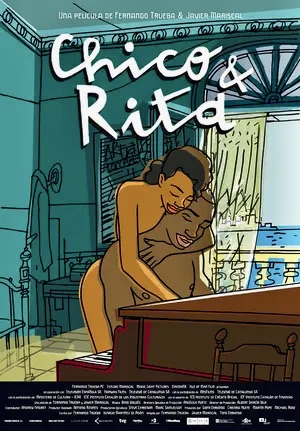
After the Show: Telluride Potluck 2010

One of the best kept secrets about the Telluride Film Festival is what happens AFTER the event. The town residents are treated to a 6 to 8 film sampler with two different screenings at the Palm Theatre each night (check with the Chamber of Commerce to confirm date and venue). The selection is purely random and usually based on which films don’t have to be shipped out immediately to the next film festival such as Toronto or New York. But if you’re a hard core film fanatic, you can hardly go wrong. The price is affordable – tickets are usually discounted and lodging rates in Telluride drop down to almost half the cost of what they were doing the film festival. The year I attended the mini-post festival in 2010, the featured films were the animated musical drama Chico & Rita (preceded by Jeff Scher’s short, The Shadow’s Dream), Errol Morris’s bizarre documentary Tabloid (preceded by Bill Plympton’s animated short, The Cow Who Wanted to Be a Hamburger), Denis Villeneuve’s powerful drama Incendies, Poetry, a South Korean drama about an elderly woman facing dementia, The First Grader, a true story dramatization set in Kenya, and Javier Bardem in Biutiful, directed by Alejandro G. Inarritu.

Continue reading
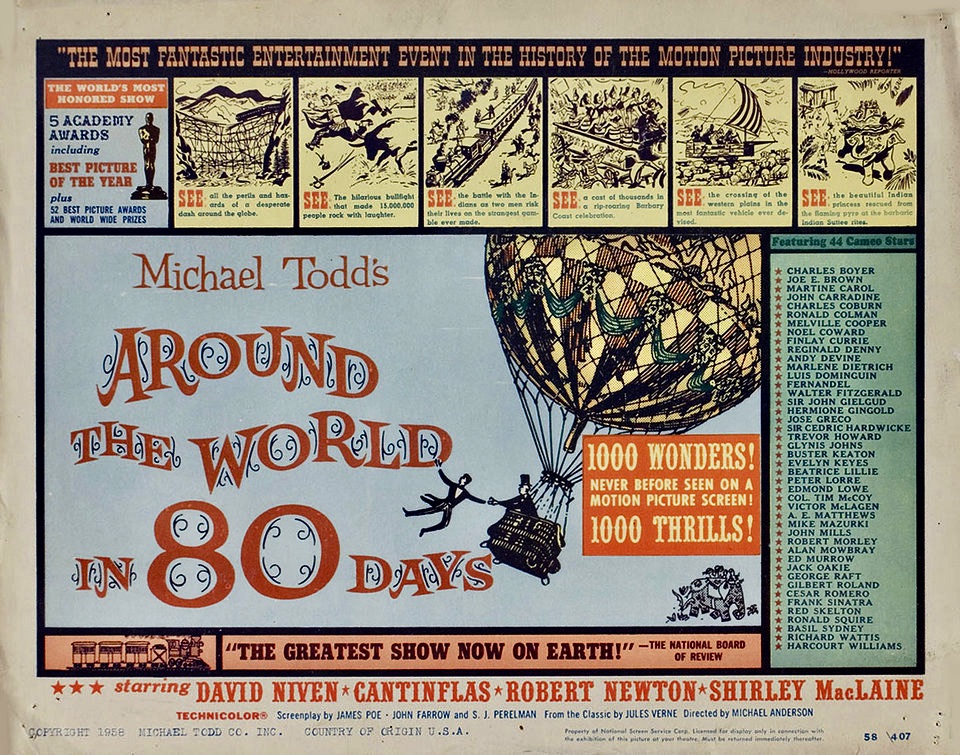
Cinema Interruptus

All of us have probably walked out on a movie at the theatre at some point in our lives but how often have you been forced to leave a film due to circumstances beyond your control? The few times this has happened to me are ingrained in my memory probably because it was such a rare occurrence…and because the interrupted scene and the movie itself never received the proper closure. In other words, a simple case of cinema interruptus (the Latin word for interrupted). The films in question are Around the World in 80 Days (1956), Cat on a Hot Tin Roof (1958), Don’t Give Up the Ship (1959) and Cat Ballou (1965).

Continue reading

Love Hurts

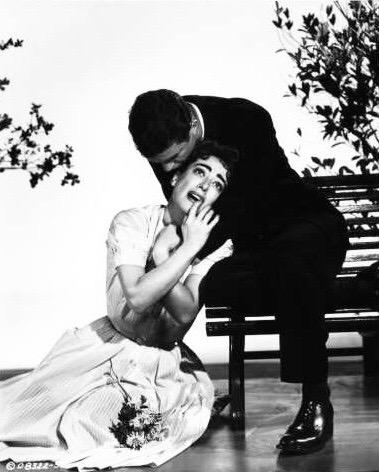
Joan Crawford and Cliff Robertson have a traumatic love affair in Autumn Leaves (1956).

Joan Crawford and Cliff Robertson have a traumatic love affair in Autumn Leaves (1956).

In 1956 directed Robert Aldrich surprised everyone by trying his hand at a “woman’s picture,” a melodramatic soap opera that on the surface appeared to be a complete departure from his previous work which included two westerns (Apache, Vera Cruz), a film noir (Kiss Me Deadly) and a drama (The Big Knife), whose emotional volatility equals the physical violence in the three preceding films.  Continue reading