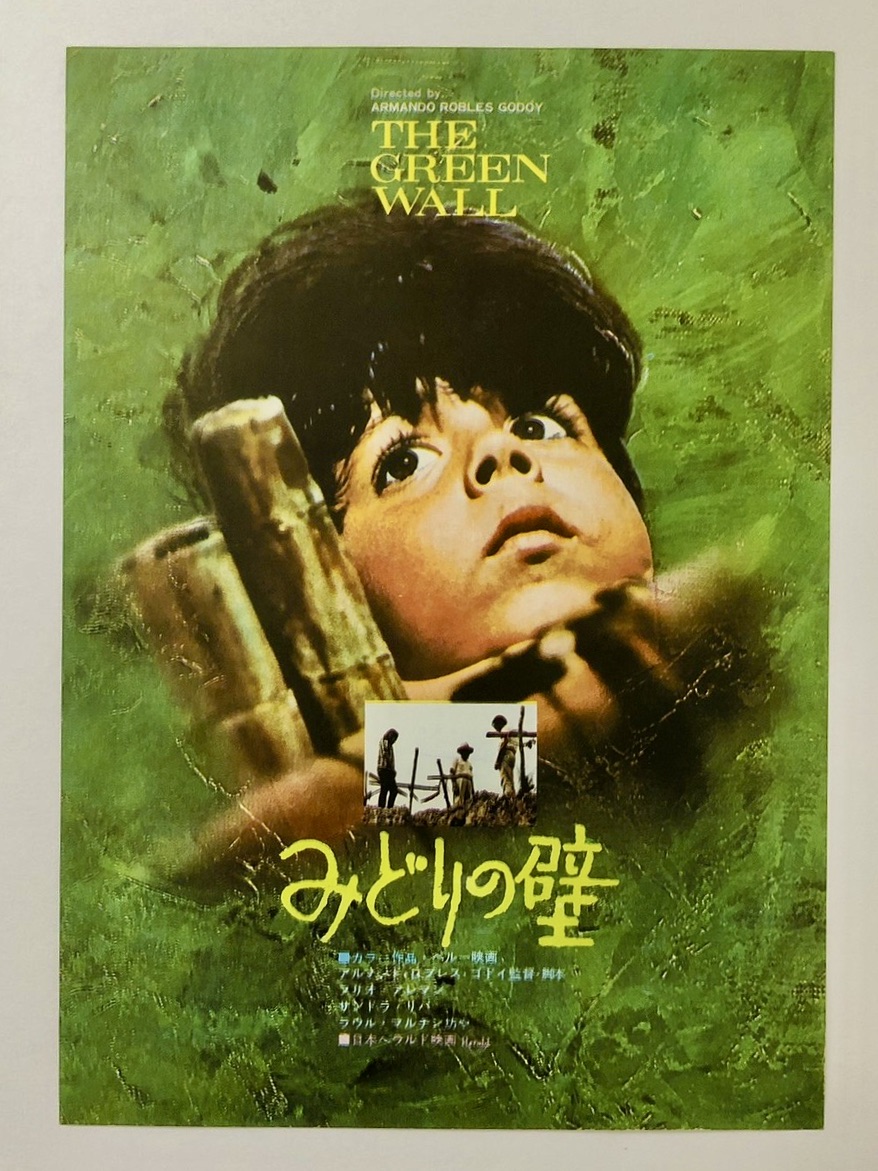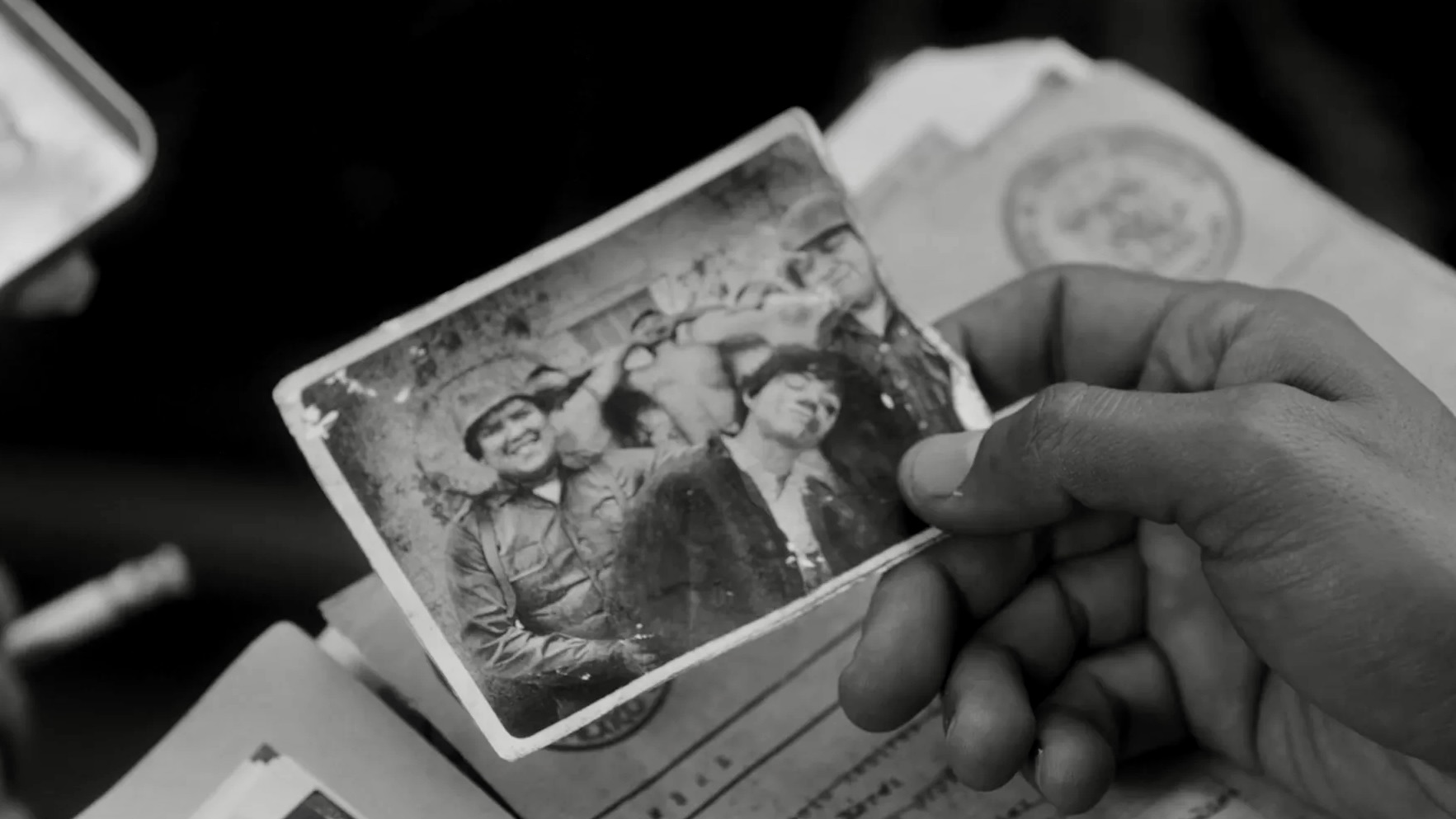
Remember the back-to-the-land movement of the mid-1960s, which lasted well into the late 1970s? It was a counterculture response to urban living with its many problems – traffic, pollution, crime, political turmoil, etc.. Young people, in particular, were looking for healthier, more sustainable lifestyles such as growing their own food and living off the land. Although this cultural phenomenon mostly occurred in North America, the idea was co-opted by young idealists around the world, even in such far away places as Tingo Maria, Peru. That is the setting of the 1969 film La Muralla Verde (English title, The Green Wall), the story of Mario (Julio Aleman), a recently married businessman, who becomes fed up with city living in Lima and convinces his wife Delba (Sandra Riva) to start a new life on the land he has purchased in the Peruvian jungle. Along with their newborn son Romulo, the couple set off on a new chapter in their lives with high hopes.
Continue readingTag Archives: Mexican cinema
Just Deserts
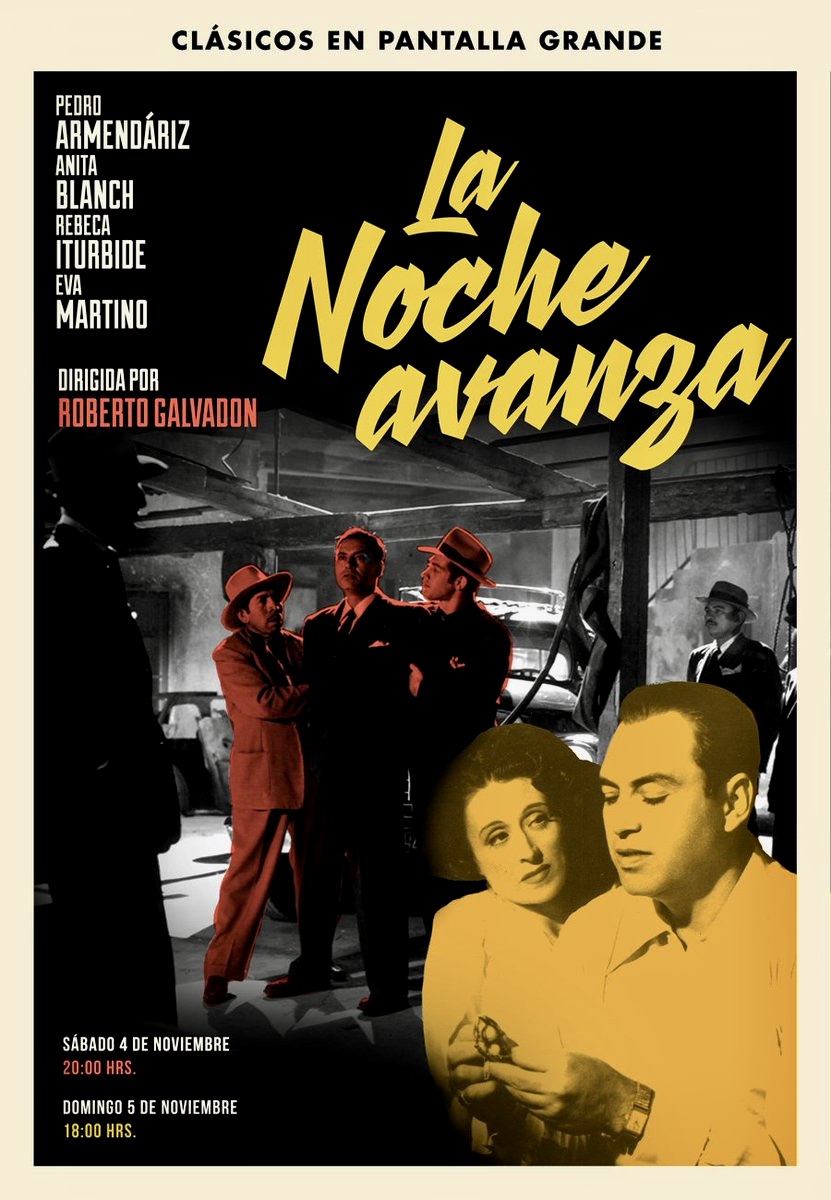
Men behaving badly could easily qualify as a cinema subgenre with such classic examples as Kirk Douglas in Champion (1949) and Robert De Niro in Raging Bull (1980) leading the pack but the athletic anti-hero of La Noche Avanza (English title: Night Falls or The Night Draws On, 1952) might even surpass them in terms of sheer toxic masculinity. Marcos (Pedro Armendariz) is Mexico’s most famous undefeated jai alai champion, a public hero and a sexually magnetic lure for women. He is also the epitome of an arrogant macho muchacho Latin male who considers everyone else inferior with boasts like “I’m one of the victorious, the strong…The weak don’t count.”
Continue readingA Double Dose of Santo and Blue Demon
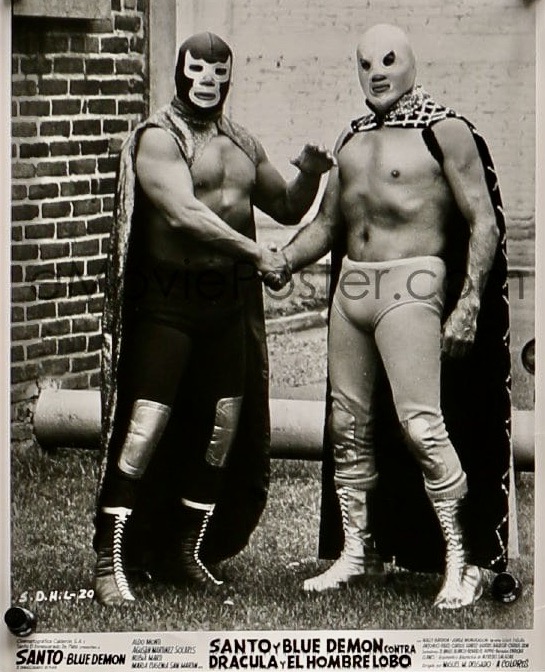
For American moviegoers weaned on comic books and superheroes like Superman, Batman and The Hulk, the names El Santo and Blue Demon might not be as familiar. But in Mexico, they are major cultural icons. They were the main attractions in a popular film genre known as the lucho libre (wrestling hero movies) but had first established themselves as bona-fide professional wrestlers. In real life, Santo and Blue Demon were often rivals in the ring but they teamed up on the screen nine times and two of their most representative features together are Santo y Blue Demon vs. Dracula y el Hombre Lobo (Santo and Blue Demon vs. Dracula and the Wolf Man, 1973) and Santo y Blue Demon contra el Doctor Frankenstein (Santo and Blue Demon vs. Dr. Frankenstein, 1974), which are good entry points for beginners.
Continue readingNo Exit

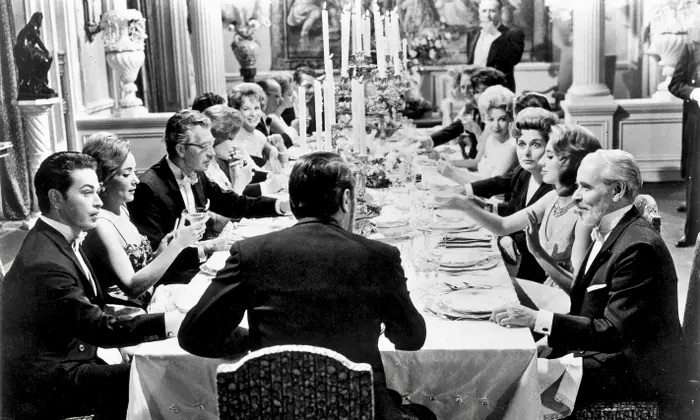
Almost everyone has attended a dinner party at some point in their lives that was mandatory as well as a memorably bad experience. Maybe it was a communal meal with the boss and co-workers or a formal affair with an annoying in-law or relative. Just be glad you were able to leave the event when it became convenient. The assembled guests in Luis Bunuel’s surreal satire, The Exterminating Angel (1962), don’t have that option but the reasons for their entrapment are never clear.
Continue readingThe Insurrection Cometh

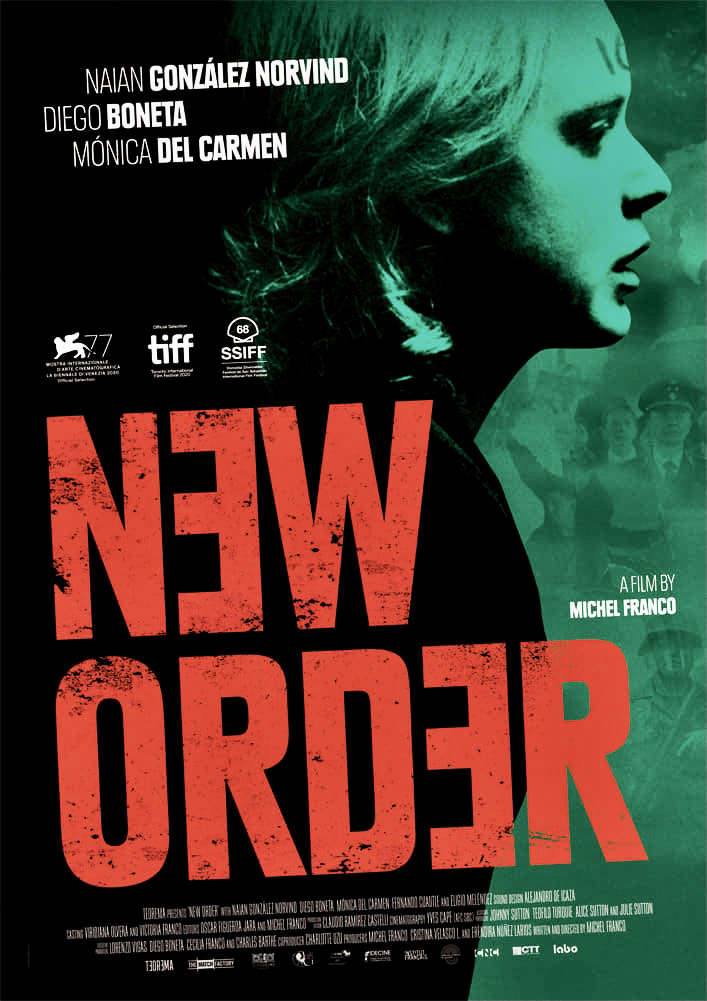
What does anarchy look like? The events of January 6, 2021 when a violent mob stormed the U.S. capitol provided a chilling example of social order under siege but this has happened before. Remember New Orleans in the wake of Hurricane Katrina in August 2005? The communications infrastructure was temporarily disabled, support services and emergency aid were unavailable and security became an issue as looting and other criminal activities took place until some semblance of order was restored by the arrival of National Guard troops a few days later. The absence of law enforcement and a rising sense of panic and chaos was broadcast to TV viewers around the world. Michel Franco’s New Order (2021), the Grand Jury Prize winner at the Venice Film Festival, taps into this fear of impending dystopia with a gripping thriller set in the wealthy enclave of what appears to be Mexico City but is never explicitly identified.
Continue readingAsi era Pancho Villa (1957)

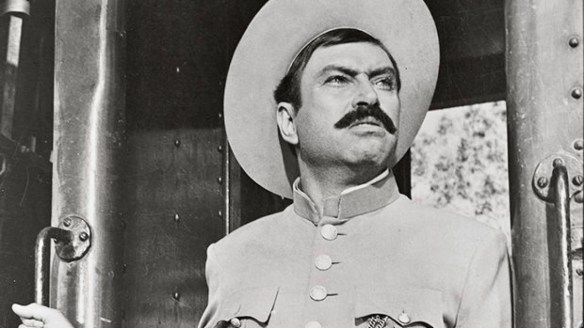
Mexican actor Pedro Armendariz is famous for his many portrayals of folk hero Pancho Villa, particularly a trilogy by Ismael Rodriguez that began with Asi era Pancho Villa (This Was Pancho Villa) in 1957.
The first of three films in a trilogy about the legendary folk hero of Mexico, Así era Pancho Villa (1957 aka This Was Pancho Villa) is essential viewing for anyone interested in Mexican cinema and a colorful example of populist storytelling for the movie-going public south of the border. Directed by Ismael Rodríguez, the Villa trilogy is a fascinating mixture of fact and fiction that attempts to resurrect Villa’s larger than life personality and his exploits which have passed into folklore in his native land. Continue reading