I remember the first time I heard about Polish director Krzysztof Zanussi. Friends of mine in Seattle were attendees at the annual Seattle International Film Festival and saw one of his films there in the early 1980s and raved about it. They became fans after that and tried to see everything he did that received distribution in their city. Unfortunately, outside of film festivals, few of his movies enjoyed wide (or any) distribution in the U.S. with the exception of a few art house dates in major cities like New York and Chicago. The first and only Zanussi film I saw was The Catamount Killing, which was released in 1974, but I only caught up with it on VHS in the mid-eighties. It is that rare anomaly in his career – a low-budget crime drama filmed in Burlington, Vermont with an English-speaking cast – and was not a success or even characteristic of his work with the possible exception of one of its themes – guilt and how it can destroy relationships. Only recently I have discovered some streaming sources for Zanussi’s work and my first foray into his past filmography is the 1980 made-for-Polish television satire Kontrakt (English title: The Contract), which was filmed in and around Warsaw and features an international cast of Polish, English and French actors including Leslie Caron in a key role.
Continue readingTag Archives: Max Von Sydow
What’s Worse Than a Typhoon?
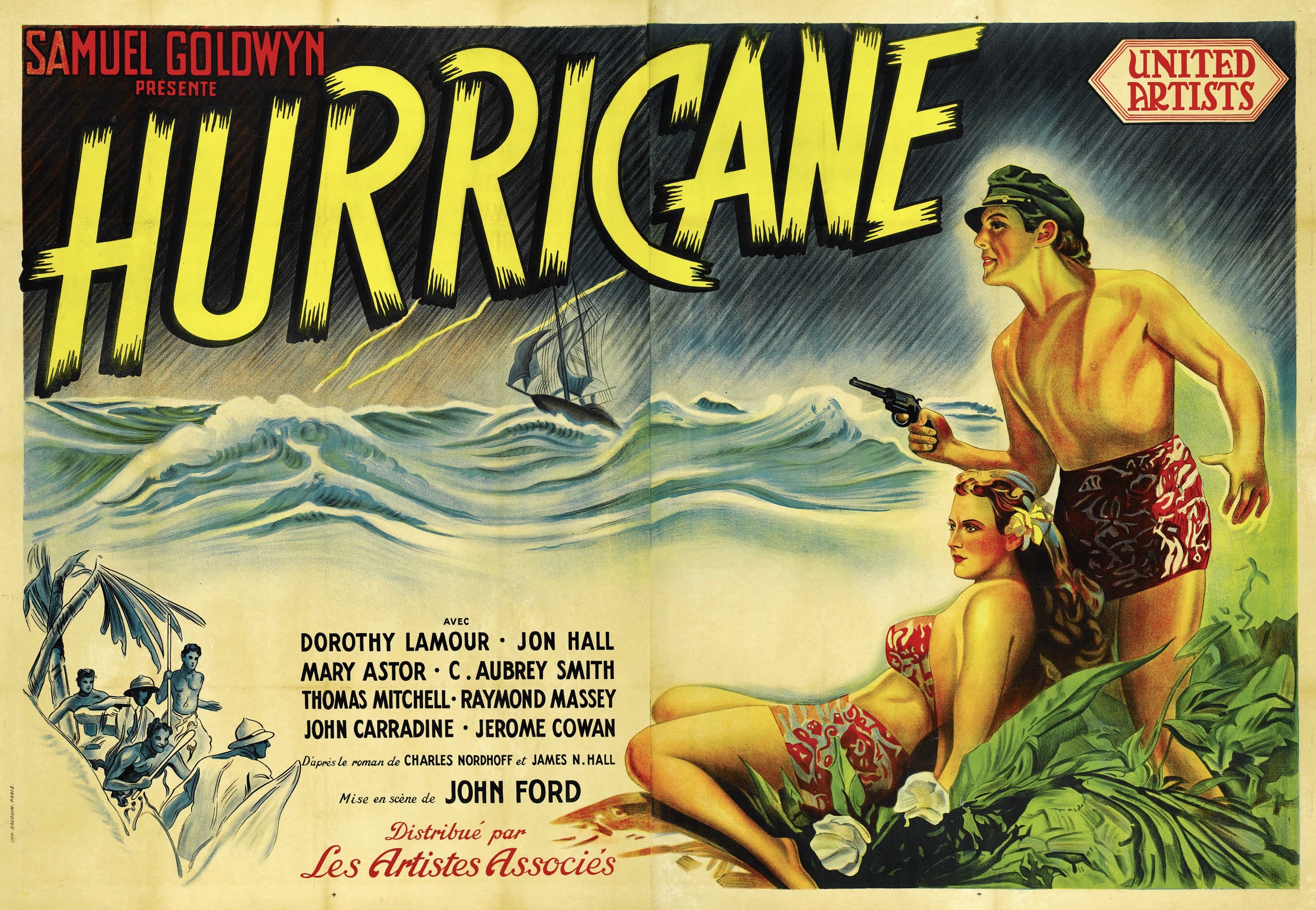
The 1970s may have been the era of the disaster film with such box office hits as Airport (1970), The Poseidon Adventure (1972), The Towering Inferno (1974) and Earthquake (1974) but the genre has been popular since the silent era when Noah’s Ark (1928) first awed moviegoers with its spectacular flood sequence. Certainly the most famous disaster film of the early sound era is San Francisco (1936) with its spectacular earthquake scenes but even more ambitious and almost overlooked today is The Hurricane (1937), directed by John Ford. While not on a level with the director’s later masterworks such as The Grapes of Wrath (1940), How Green Was My Valley (1941) or They Were Expendable (1945), this tale of colonial repression and injustice is set against the exotic background of the South Seas.
Continue readingA Time for Demonic Visitations
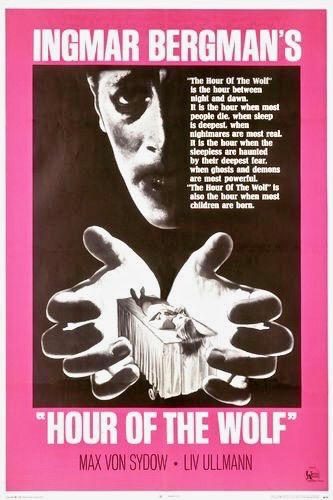
“According to the ancient Romans, the Hour of the Wolf means the time between night and dawn, just before the light comes, and people believed it to be the time when demons had a heightened power and vitality, the hour when most people died and most children were born, and when nightmares came to one.”
Setting the stage for what will follow with this ominous introduction, Ingmar Bergman’s 1968 feature Hour of the Wolf (Swedish title: Vargtimmen) is probably the closest the director has ever come to making a horror film, one that crosses over into the realm of the supernatural. Continue reading
My Swedish Education
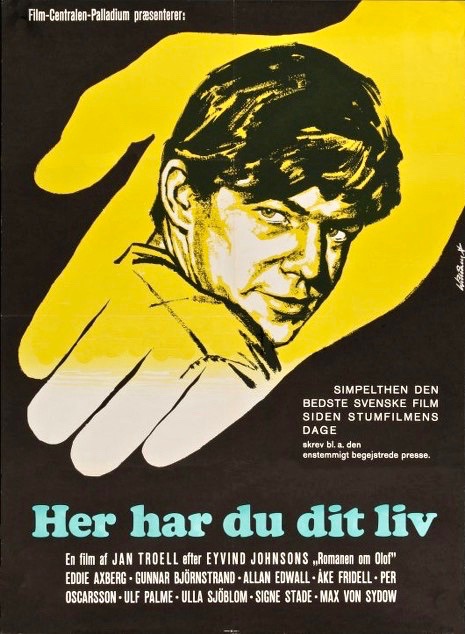
For years I held the opinion that Swedish director Jan Troell and his films were generally overrated by movie critics and scholars until the 2008 Telluride Film Festival where a retrospective of his work proved to me that I had been sadly mistaken. The two films that changed my perspective were the American premiere of Everlasting Moments (original title: Maria Larssons eviga ogonblick, 2008), a turn-of-the-century drama about a working class mother who becomes a professional photographer, and Here’s Your Life (original title: Har har du ditt liv, 1966), which marked his feature film debut. The latter film, in particular, was a revelation and remains one of my all-time favorite movies. Continue reading
Faded Delusions of Grandeur: The Desert of the Tartars
Each year hundreds of international films never get picked up for distribution in the U.S. and the select few that do are either high profile film festival prize winners like Michael Haneke’s Amour (2012) or popular commercial hits like March of the Penguins (2005) from France and Life is Beautiful (1997) from Italy. So when you come across an austere and haunting cinematic work like Valerio Zurlini’s The Desert of the Tartars (Il Deserto Dei Tartari), you have to wonder how many great films from other lands are out there that you are not going to see…and probably never will. Continue reading