Movies about boxers often seem to break down into four categories; the most popular are the ones where the underdog fighter overcomes all odds to become a champion (Rocky [1976], Million Dollar Baby [2004], Cinderella Man [2005]). Then there are true-life biopics like Somebody Up There Likes Me (1956), Raging Bull (1980) and Ali (2001), downbeat character portraits of boxers past their prime (Requiem for a Heavyweight [1962], Fat City [1972]) and noir dramas that highlight the corrupt aspects of the profession like The Set-Up (1949) or The Harder They Fall (1956). Bokusa (English title: The Boxer (1977), a Japanese film directed by Shuji Terayama, has elements of some of the above but it is decidedly different from any American film in the boxing genre.
Continue readingTag Archives: Kinji Fukasaku
Good Cop, Bad Cop

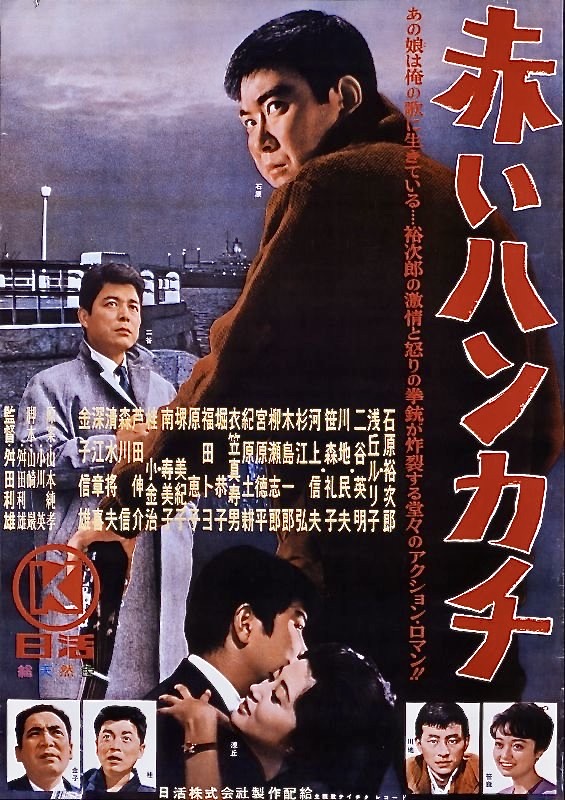
Among the major film studios in Japan, Nikkatsu is generally regarded as the oldest but it almost didn’t survive the post-WW2 years after shutting down production in 1942. When it relaunched in 1954, audience tastes had changed and so had the moviegoing public, which was younger and hungry for films that reflected the problems, attitudes and pop culture of their generation. As a result, the studio began to churn out different kinds of films – yakuza and cop thrillers, youth rebellion dramas and frenetic comedies/musicals – that were partially inspired by American genre films and the rise of rebel icons like James Dean and Elvis Presley. Often categorized as “Nikkatsu Action Cinema,” these films experienced a surge of popularity in the late 50s as such directors as Seijun Suzuki, Shohei Imamura, Koreyoshi Kurahara and Toshio Masuda emerged as the most creative filmmakers at Nikkatsu during the post-war new wave. Masuda, in particular, was one of the most commercially successful filmmakers at the studio and helped actor Yujiro Ishihara achieve major stardom after their first collaboration Rusty Knife (1958), a gritty crime drama about a volatile street tough who crosses the mob. They went on to make 25 features together but, curiously enough, one of their most successful films, Akai Hankachi (Red Handkerchief, 1964), is almost forgotten and difficult to see outside of Japan.
Continue readingDon’t Act Cool, Just Be Cool

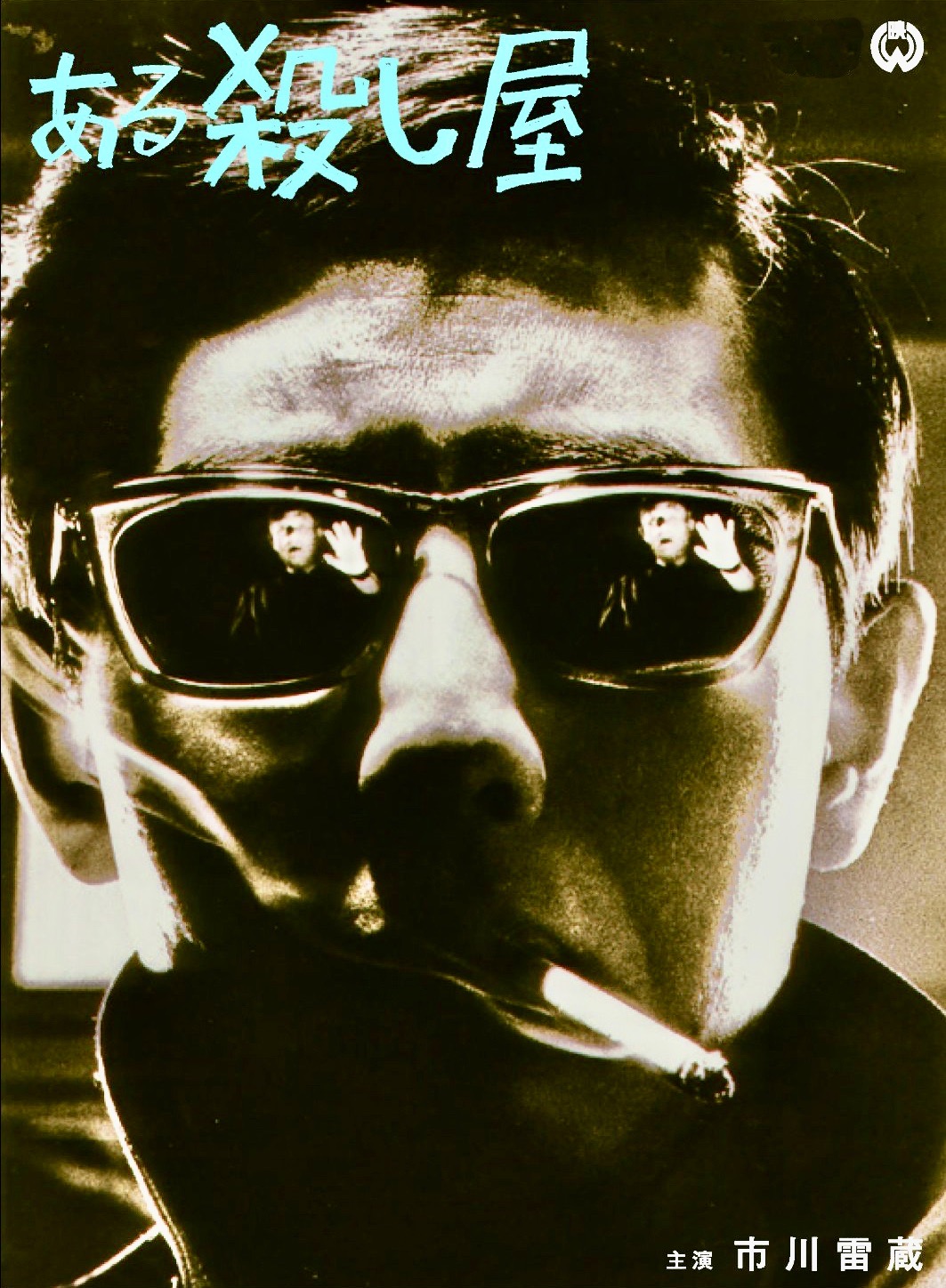
The yakuza thriller has been a prominent genre in Japanese cinema since the silent era when soon to be celebrated directors like Yasujiro Ozu dabbled in gangster melodramas like Walk Cheerfully (1930) and Dragnet Girl (1933). Once conceived as B-movies with low-budgets and rushed production schedules, the yakuza film graduated to A-picture productions in the 1970s but the genre really hit its stride in the 1960s with such stellar examples as Masahiro Shinoda’s Pale Flower (1964), Seijun Suzuki’s Tokyo Drifter (1966) and his more wildly stylized follow-up, Branded to Kill (1967). Still, there are so many superb yakuza films from this period waiting to be discovered by American audiences and one of my favorites is A Certain Killer (1967, Japanese title: Aru Koroshi Ya) from director Kazuo Mori.
Continue reading