The Shame of Shantytown

A Japanese film poster for the 1952 film DOBU aka The Ditch aka Gutter.

One of the most famous Japanese directors of his generation (1912-2012) to emerge from the post-WW2 years was Kaneto Shindo but, outside of a handful of films, most of his work remains largely unseen in the U.S. That is a shame because much of his filmography provides a fascinating glimpse into the lives and mindsets of Japanese people, especially the working class, in the difficult years following the country’s defeat in the war. One of his earliest and most provocative depictions is Dobu (1954), which is also known as The Ditch, but is more accurately translated as The Gutter. And the main protagonist of the film is Tsuru (Nobuko Otowa), who could easily claim to be the most memorable guttersnipe of all time. When the film opens, she is a filthy, wandering beggar on the verge of starvation who collapses in a shantytown known as Kappunuma and here she will remain for the rest of her brief life.

Continue reading
Masks Are Powerful

The demonic mask featured in ONIBABA (1964), Kaneto Shindo’s classic tale of murder and retribution set in 14th century Japan.

There is one cinema gimmick that always works for me and can sometimes lift a movie out of the ordinary and take it somewhere unexpected. This usually occurs when someone either puts on a mask or appears in one. The simple act of doing this immediately brings something theatrical and visually arresting to the scene that taps into our subconscious on an almost primeval level.    

Continue reading

Beware of Japanese Cats

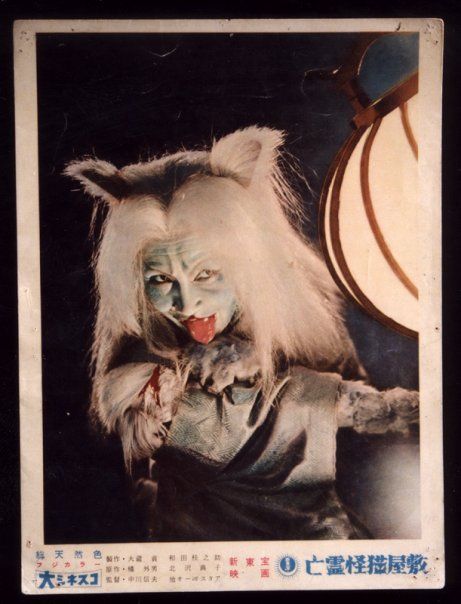
The avenging cat witch ghost is the star of Nobuo Nakagawa’s Black Cat Mansion aka Borei Kaibyo Yashiki (1958).

Every national cinema has their own homegrown subgenres and mythology when it comes to horror films and I think Japan has some of the most unique and bizarre creatures of all such as the hopping Umbrella ghost from Yokai hyaku monogatari (1968, aka The Hundred Monsters) or the rampaging stone idol of the Majin trilogy which began in 1966. Yet, in terms of eerie beauty and supernatural creepiness, I’m drawn to the bakeneko-mono stories from Japanese folklore with their shape-shifting cat demons and one of my favorites is Borei Kaibayo Yashiki (1958, aka Black Cat Mansion aka Mansion of the Ghost Cat).     Continue reading

Akira Kurosawa’s Record of a Living Being

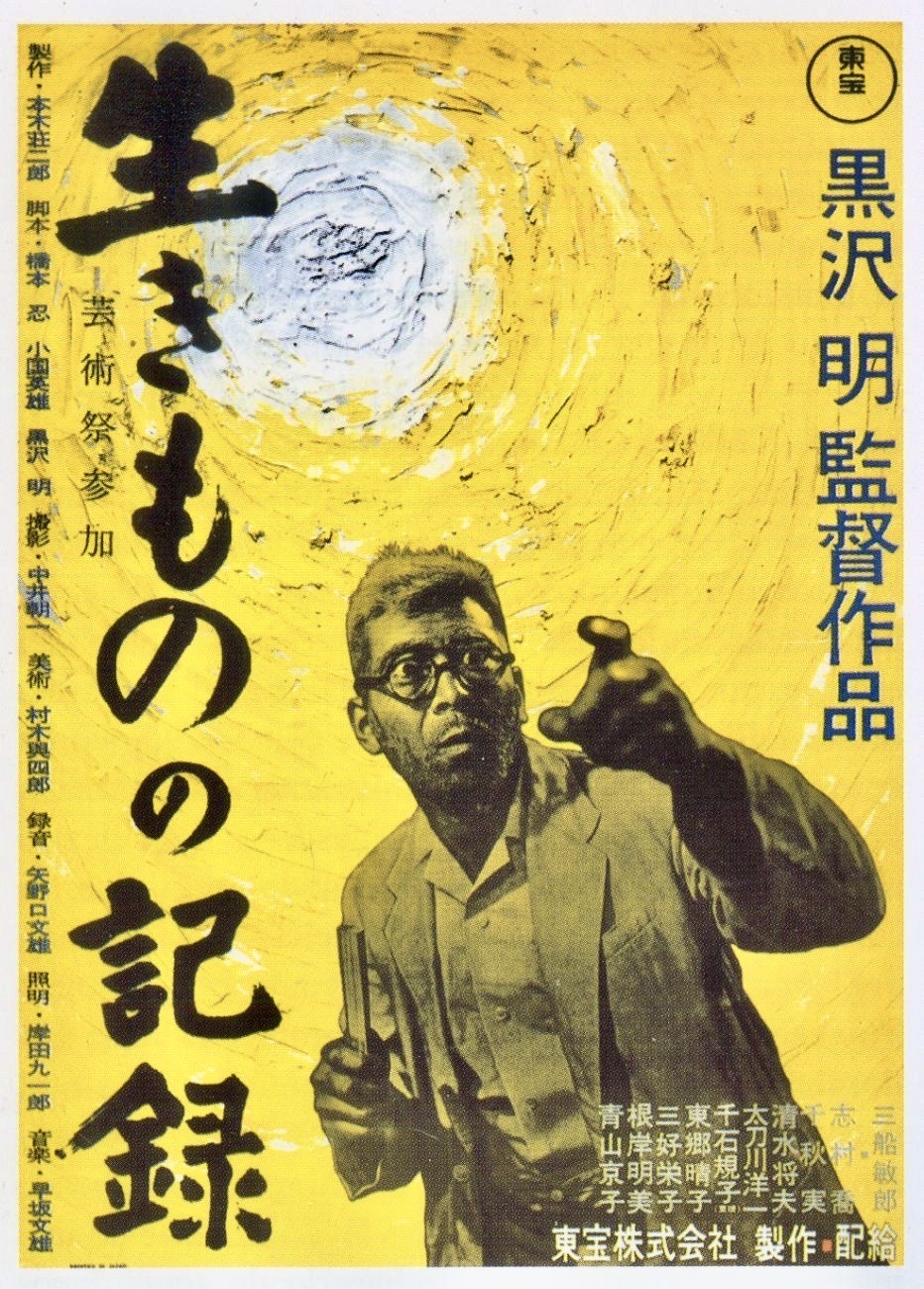
The Japanese film poster for I Live in Fear (1955), directed by Akira Kurosawa and starring Toshiro Mifune.

One of the first Japanese commercial features to directly address the fear of nuclear holocaust and the implications of the atom bomb, Record of a Living Being, which is better known as I Live in Fear (1955, aka Ikimono no Kiroku) was an unusual and unexpected movie for director Akira Kurosawa. He had recently completed Seven Samurai (1954), a huge box office and critical success in both Japan and around the world, but his new work was much smaller in scale compared to that sprawling period epic.   Continue reading

The Macedonian Beekeeper

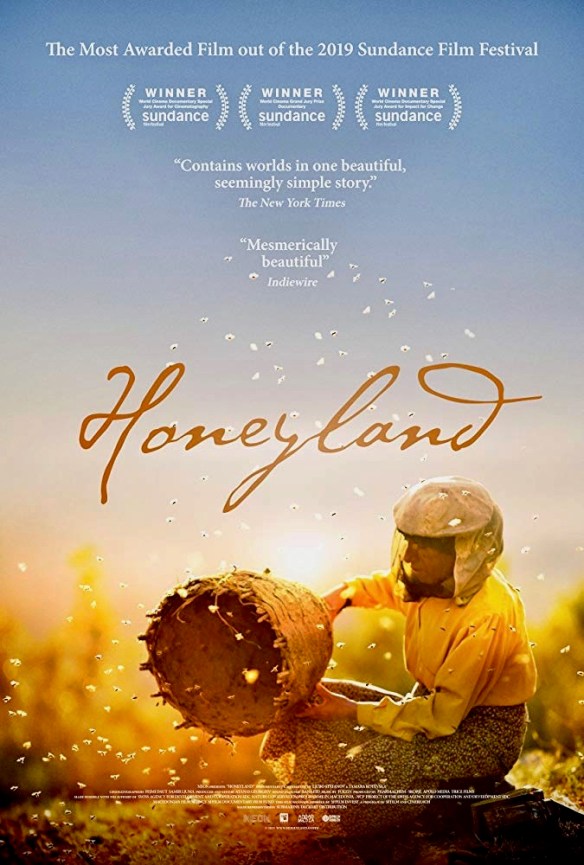
Imagine living in a remote area where there is no running water or electricity. There are also no established roads or available food nearby or even much protection from extreme temperatures in the winter and summer. You can also forget about any local services like a doctor or policeman or mail carrier. We’re not talking about America here but a desolate region of Macedonia where life is a daily hand-to-mouth struggle.

Winner of the Grand Jury prize at the Sundance Film Festival in the World Cinema Documentary category, Tamara Kotevska and Ljubomir Stefanov’s Honeyland is a remarkably intimate and engrossing human portrait of Hatidze Muratova and her 85-year-old mother who live in primitive conditions in the deserted village of Bekirlija, Macedonia. Although it is essentially a documentary, it has the feel of a scripted drama made with non-professional actors who are playing themselves.   Continue reading