Movies about an ingenious heist or an elaborately staged robbery always come with set expectations from genre enthusiasts. Can they meet or surpass the gold bar standard set by earlier classics such as John Huston’s The Asphalt Jungle (1950), Jules Dassin’s Rififi (1955), or Stanley Kubrick’s The Killing (1956) for example? Tallinn Pimeduses (English title: City Unplugged, aka Darkness in Tallinn 1993), directed by Estonian filmmaker IIkka Jarvi-Laturi, might not ever attain the iconic status of those efforts but that doesn’t mean it isn’t a worthy addition to the genre. If anything, it is quirky and original enough to earn a cult following and probably would have if it had ever been distributed and marketed by a major Hollywood studio.
Continue readingTag Archives: Jules Dassin
Mining for B-Movie Gold
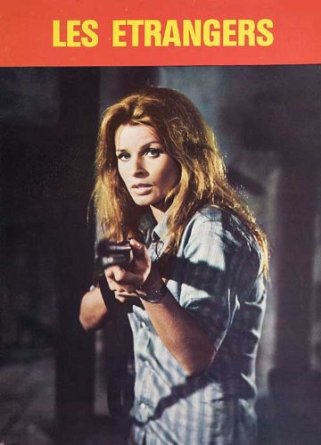
It’s a rare thing when a crime thriller departs from the usual formulaic expectations and rewards the viewer with a much more unpredictable and entertaining twist on a familiar genre. Such is the case with Les étrangers (aka The Strangers, 1969), which begins with a carefully planned diamond heist in a remote desert town that goes spectacularly awry before transitioning into a deadly game of cat and mouse between a fleeing fugitive and a couple that offer him temporary shelter. This is a superior B-movie that feels like an A-picture with its iconic international cast of actors from France (Michel Constantin), Austria (Senta Berger), Spain (Julián Mateos) and South Africa (Hans Meyer), a spaghetti western-flavored score by Michel Magne and Francoise de Roubaix, and atmospheric cinematography by Marcel Grignon, who received an Oscar nomination for Is Paris Burning? (1967) and filmed such cult favorites as Roger Vadim’s Vice and Virtue (1963) and Walerian Borowczyk’s The Beast (1975). Continue reading
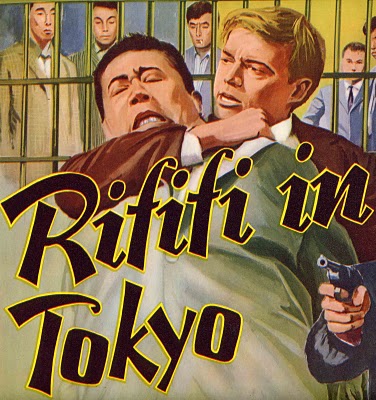
Rififi in Tokyo
Rififi, Jules Dassin’s quintessential 1955 noir/heist thriller, had quite an impact on the European crime movie genre in its day, although most of its imitators or similarly inspired creations rarely found distribution in the U.S. except as English-dubbed second features in limited runs in a few major cities like New York. I have yet to read of any major film critics or movie buffs like Quentin Tarantino championing any of the Rififi knockoffs. But for anyone with a soft spot for heist films, you might enjoy sampling some of these lesser efforts, particularly RIFIFI IN TOKYO (1963). Continue reading