
Mathematical Riddles

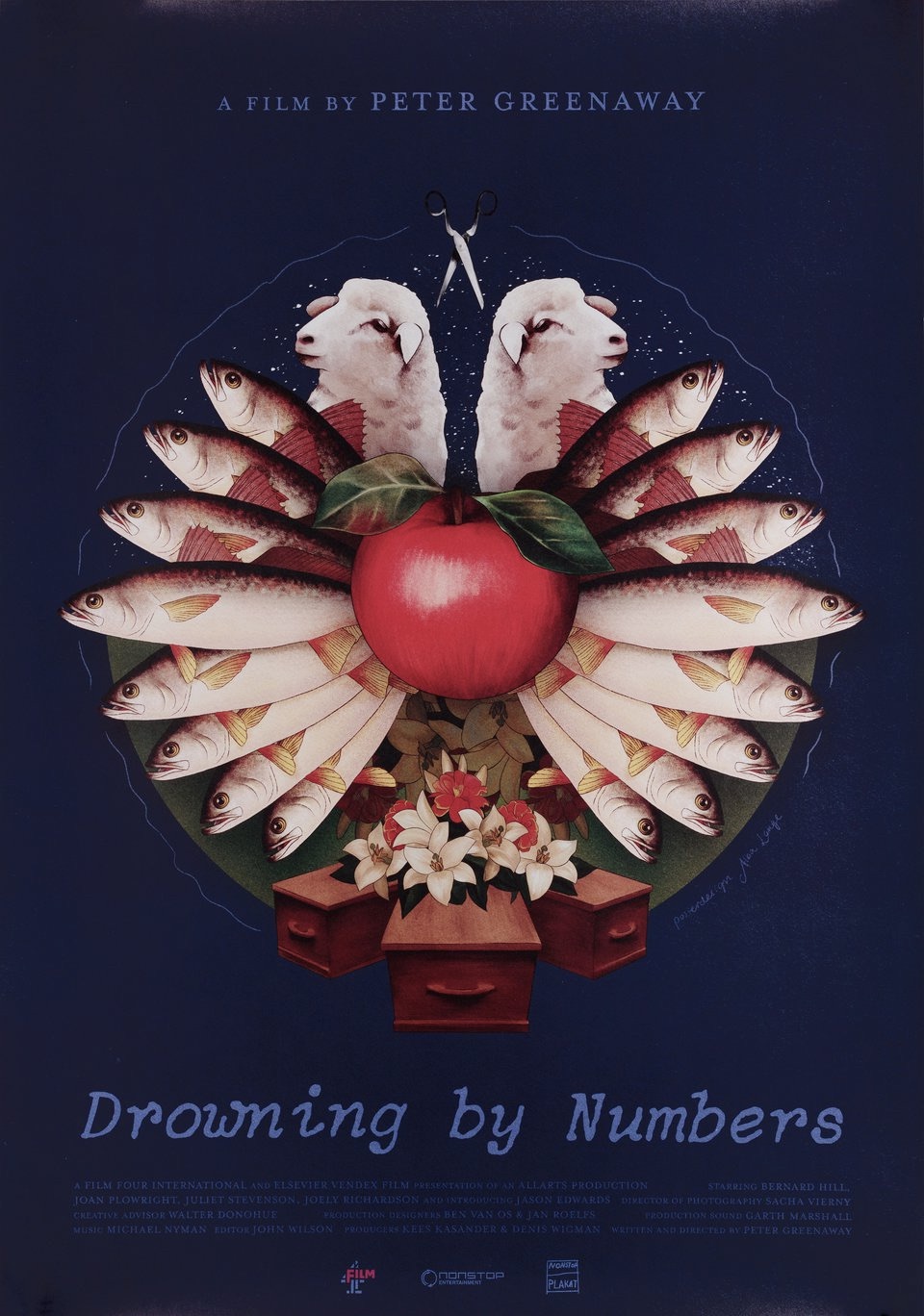
Peter Greenaway is not the sort of director who has ever tried to appeal to the average moviegoer or make a mainstream film but that doesn’t mean he hasn’t enjoyed a long and successful career in the cinema. In fact, his 1989 film The Cook, the Thief, His Wife & Her Lover was a surprise box office hit, grossing more than 7.7 million dollars in the U.S., which was highly impressive for an art house flick. Still, his filmography might seem intimidating or of little interest to most American viewers but several of Greenaway’s feature films from the 1980s are quite accessible, if only curious movie lovers would give them a chance. The Draughtsman’s Contract (1982) and The Belly of an Architect (1987) are good places to begin but my personal favorite is Drowning by Nights (1988), which is a subversive black comedy involving murder, game playing, and a fascination with numbers.

Continue reading
Richard Stanley and H.P. Lovecraft

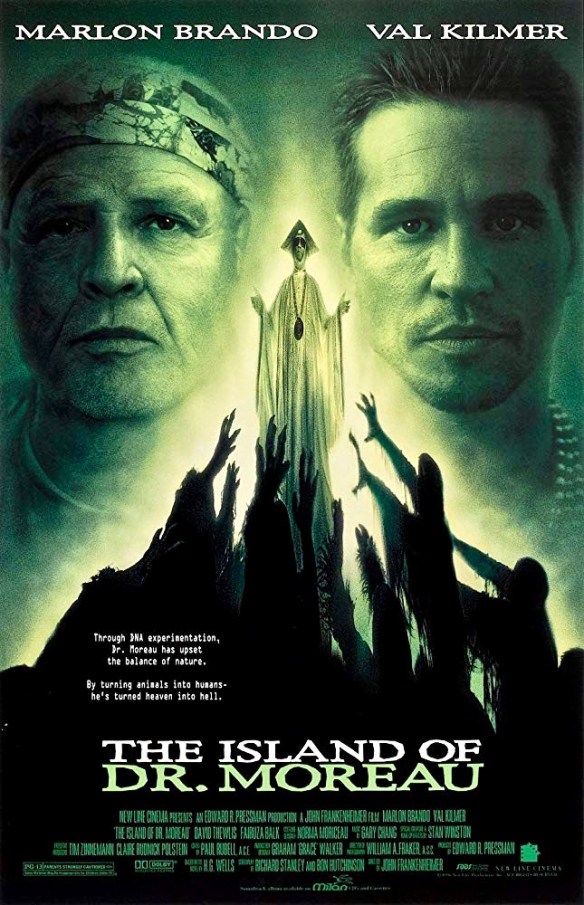
In 1990 South African filmmaker Richard Stanley made his feature film debut with Hardware, a post-apocalyptic tale about a killer cyborg on the rampage. Most critics who bothered to see it at the time dismissed it as a grungy rip-off of The Terminator and other genre favorites but it clearly had style to burn and sci-fi geeks embraced it despite the excessive violence (some of it was edited out in the original theatrical release). Next came Dust Devil (1992), an arty, mystical story of a demonic hitchhiker in pursuit of a runaway married woman in the African desert. It was distributed by Miramax and released in a re-edited version which added a narration and deleted 20 minutes. It was poorly distributed but Stanley’s dynamic visual aesthetic and offbeat narrative flourishes attracted the attention of Hollywood. Then New Line Cinema offered Stanley a dream project, a remake of H.G. Wells’ The Island of Dr. Moreau.

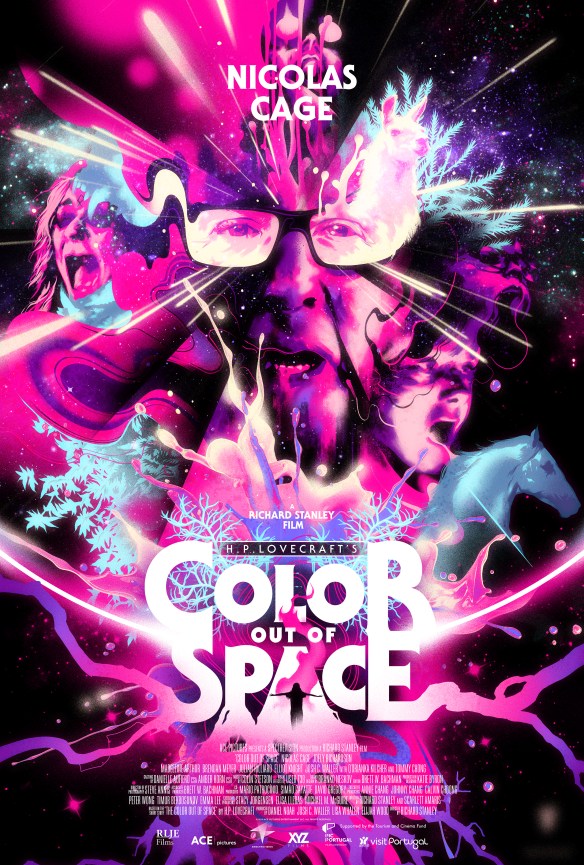
It quickly became a nightmare project. A hurricane destroyed the sets just prior to shooting and Val Kilmer, coming off the mega-success of Batman Forever, undermined and intimidated Stanley and had him fired just days into production. His replacement was John Frankenheimer but even he couldn’t save the film from the damage inflicted by the self-destructive egos of Kilmer and Marlon Brando. The 1996 release was a cinematic train wreck and Stanley, depressed and dejected, appeared to abandon film making forever. Now, 23 years later, he returns from the wilderness with Color Out of Space, an effectively creepy and atmospheric sci-fi/horror thriller that might be one of the best film adaptations yet of H.P. Lovecraft’s famous short story.   Continue reading