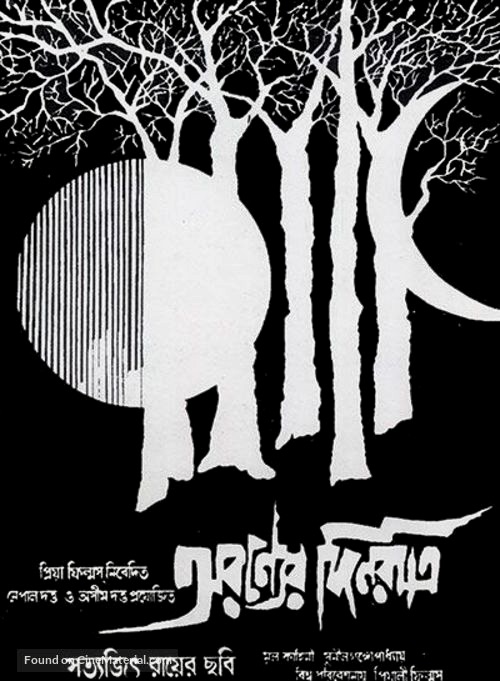
Four carefree middle class bachelors from Calcutta journey deep into the bucolic countryside for a break from city life and to enjoy drinking and partying with the local native women. What they end up experiencing in this unfamiliar locale is both a reflection of their own ignorance and colonialist attitudes inherited from their former British occupiers about the lives of people in rural India. This is the basic premise of Ananyer Din Ratri (English title: Days and Nights in the Forest, 1970), which many film scholars and critics consider a mid-career masterpiece from director Satyajit Ray. Admirers of the movie also cite the plays of Anton Chekhov and the films of Jean Renoir, especially his 1946 short Partie de Campagne (English title, A Day in the Country) as distinct influences on this social comedy with its amusing and sometimes harsh observations about human foibles and cultural differences.
Continue readingTag Archives: Indian cinema
Lock Up Your Valuables!
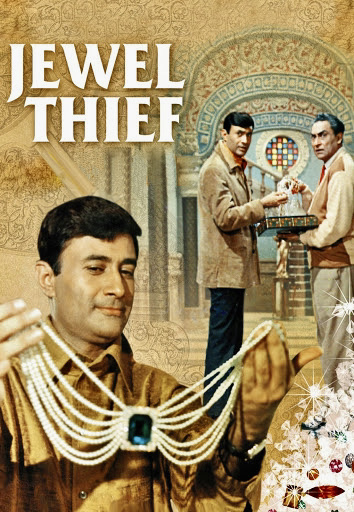
Anyone who is familiar with Bollywood cinema knows that every film that is churned out by the Bollywood film industry contains musical numbers. That doesn’t mean they are all classified as musicals. Quite the contrary. Almost every film genre you can imagine exists in the Bollywood universe – romantic dramas, historical epics, action-adventure yarns, spy comedies, soap operas, even horror films – and they all have musical interludes that relate to the plot. Jewel Thief, one of the biggest Bollywood hits of 1967, falls under the category of crime caper but this is not a gritty noir like Rififi (1955) or The Asphalt Jungle (1950). Instead, it is a noir-lite delight that is closer in tone to the more comic heist classics like Topkapi (1964) or romantic suspensers like To Catch a Thief (1955). What sets it apart from all of the above movies are the stylish and elaborately choreographed dance/song numbers.
Continue readingMonkey Repellers Wanted!
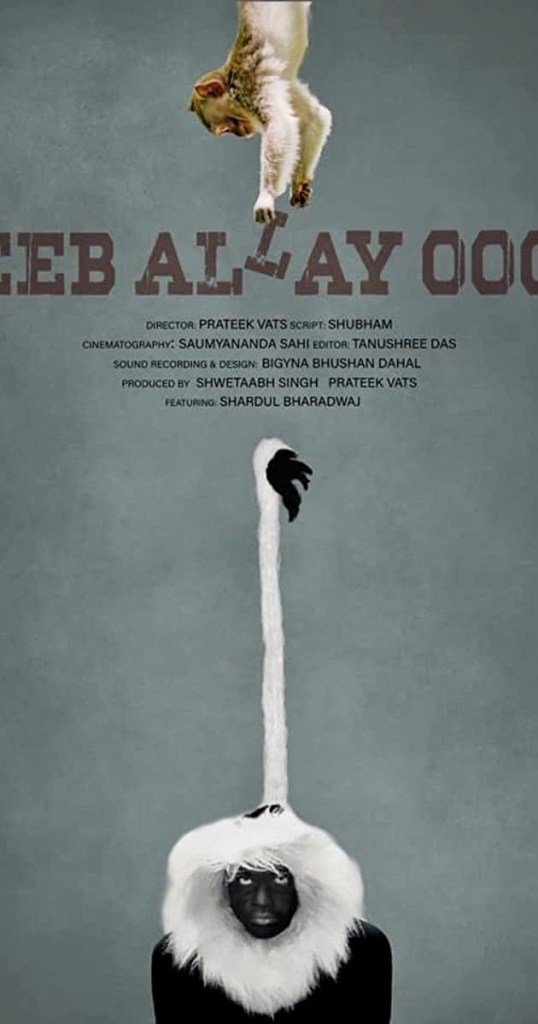
If someone told you that repelling monkeys was a profession in some countries, you’d probably think it was a joke but in New Delhi, India it is not only a legitimate occupation but a much-needed service. In recent years, the macaque monkey population has increased and grown increasingly aggressive in their search for food, invading government offices, private businesses and public spaces. Their constant presence has become a major nuisance and sometimes a physical threat to local residents and tourists (they carry the herpes B virus). As a result, New Delhi officials have employed a number of professional monkey repellers to try to control the situation and Anjani (Shardul Bhardwaj), a new recruit from the provinces, finds the situation overwhelming in Prateek Vats’s feature film, Eeb Allay Ooo! Continue reading
Himansu Rai’s 1929 Indian Epic
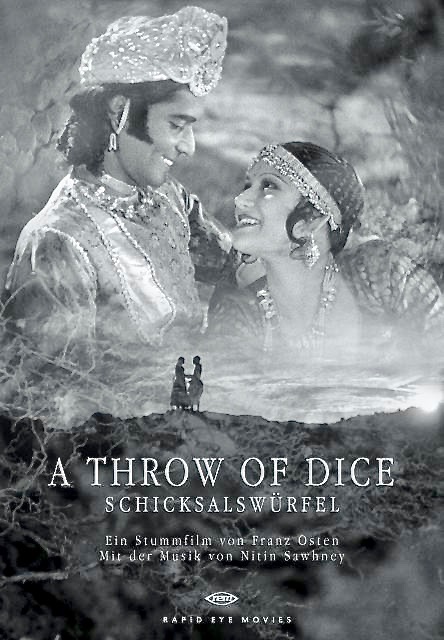
At the 23rd San Francisco Silent Film Festival (May 30-June 3, 2018), the Castro Theater played host to a diverse program of silent era masterpieces accompanied by live music, performed by either solo musicians, small ensembles or orchestras. Some of the new restorations screened included Ernst Lubitsch’s Rosita (1923) starring Mary Pickford, Buster Keaton’s Battling Butler (1926), the 1928 version of The Man Who Laughs with Conrad Veidt and a 1929 German version of The Hound of the Baskervilles, directed by Richard Oswald. As always, the festival also unveils several lesser known titles and rarities such as a magnificent new restoration of Prapancha Pash (aka A Throw of Dice), a 1929 Indian epic produced by Himansu Rai and directed by German filmmaker Franz Osten. A key pioneer effort from the early silent years of Indian cinema, A Throw of Dice holds up beautifully after almost ninety years with its exotic mix of adventure, romance, pageantry and sensuality. And it is an excellent entry point for any silent film beginner. Continue reading