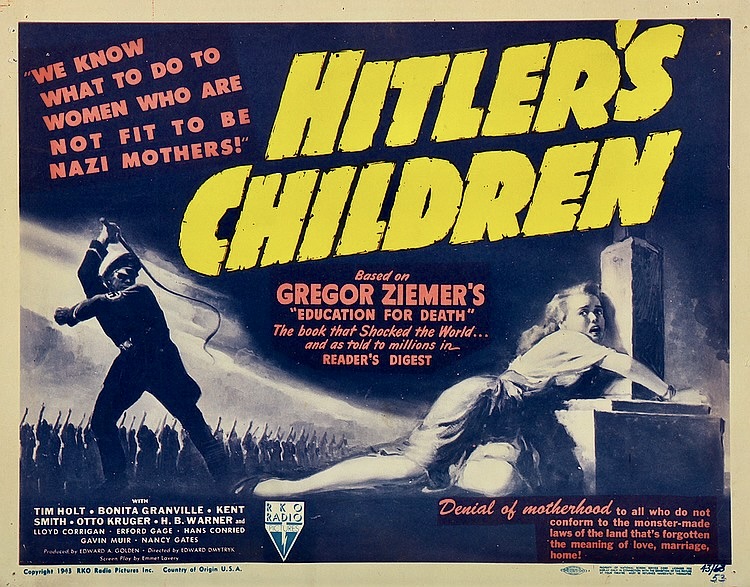
You’d expect a film with a title like Hitler’s Children (1943) to be an exploitation picture, not a prestige production and you wouldn’t be wrong in most respects. But this sensationalistic melodrama about a Nazi youth and his American girlfriend struck a resonant chord with audiences of its era, making it the highest grossing film of all time for RKO Studios, surpassing even the box office receipts of King Kong (1933) and Top Hat (1935).
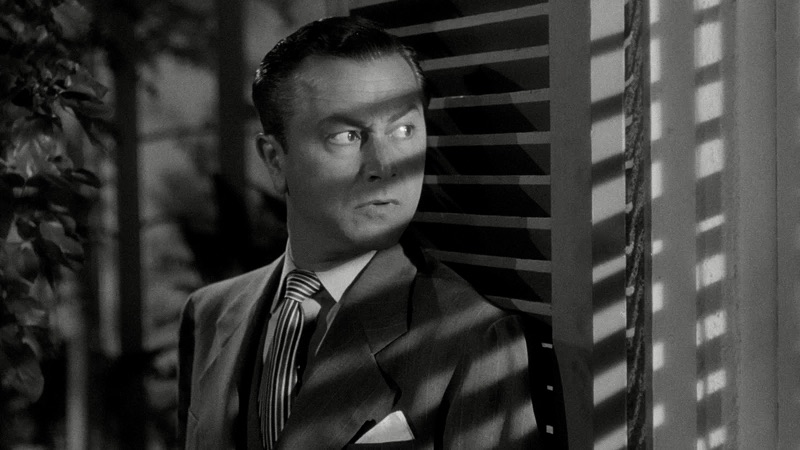
Robert Young plays an embezzler and a womanizer whose luck runs out in THEY WON’T BELIEVE ME (1947), an underrated film noir.
When most baby boomers think of actor Robert Young, they probably recall his popular TV medical series Marcus Welby, M.D. (1969-1976) where he was the epitome of the kind, compassionate doctor or they remember Jim Anderson, the perfect dad in the all-American family sitcom Father Knows Best (1954-1960). He was also typecast as “Mr. Nice Guy” in most of his Hollywood films, playing cheerful romantic leads or the leading man’s best friend or some other debonair, noble or well-intentioned character who rarely made a strong impression compared to more assertive male leads like Clark Gable, Gary Cooper or Spencer Tracy. But there were several occasions when Young discarded his good guy image by playing shadowy characters, outright villains, or damaged human beings. Among these atypical casting choices, Young is most memorable in Alfred Hitchcock’s Secret Agent (1936) as an undercover spy, a budding fascist in The Mortal Storm (1940), a shellshocked and physically maimed war veteran in The Enchanted Cottage (1945), a complete cad and accused murderer in the underrated film noir They Won’t Believe Me (1947), directed by Irving Pichel, and an architect who is suspected of being a dangerous criminal in The Second Woman (1950).
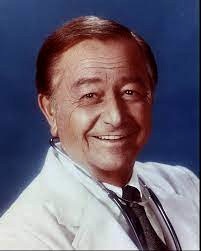
Robert Young as the star of the popular TV series, MARCUS WELBY, M.D. (1969-1976).
Is there really such a thing as “The Perfect Crime”? In theory the plot might seem infallible but what about the unforeseen surprise that could wreck the whole thing? It could be the benign interference of a neighbor or a stranger or even an accidental mishap involving the architect of the crime. An excellent example of what could go terribly wrong at the last minute can be found in The Hidden Room (aka Obsession, 1949) directed by Edward Dmytryk.
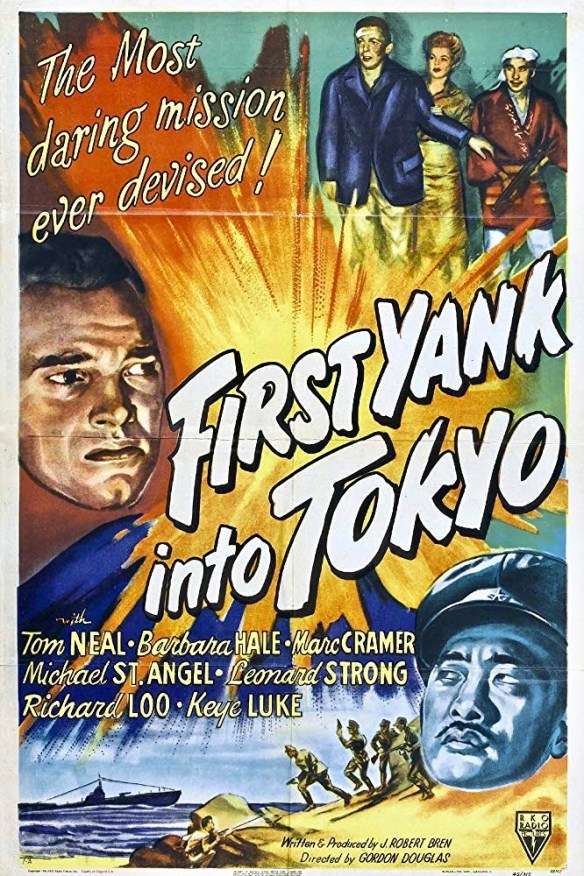
When the United States officially entered World War II after the bombing of Pearl Harbor, Hollywood got busy producing morale-boosting entertainments with a heavy accent on flag-waving patriotism and pro-American propaganda. One of the stranger efforts to emerge from this uncertain time in U.S. history was First Yank in Tokyo (1945), a B-movie espionage thriller directed by Gordon Douglas and set inside a Japanese concentration camp. Continue reading →


 Cinema Sojourns