The Virgin of Nuremberg

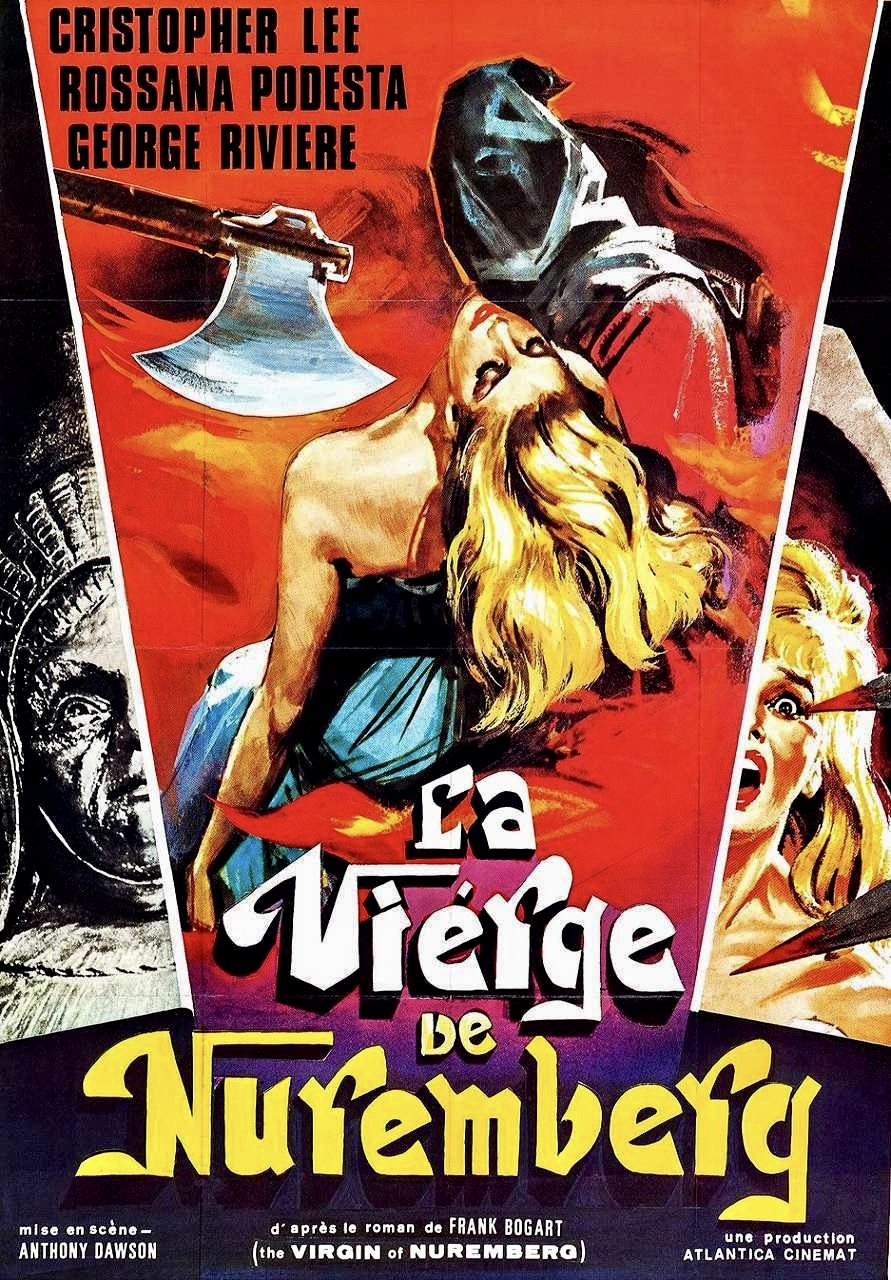
The Italian film poster for THE VIRGIN OF NUREMBERG which is also known as HORROR CASTLE (1963), starring Rossana Podesta.

Mary, the wife of German aristocrat Max Hunter, is visiting her husband’s ancestral castle for the first time and is completely unsettled by the mansion’s violent past; 300 years earlier it was the home of “The Punisher”, a sadistic fiend who tortured and killed women deemed guilty of adultery. One room of the mansion even serves as a shrine to the past with its museum-like displays of the family implements of torture. The castle’s domestic staff is no less intimidating with Erich, a disfigured servant, and Marta, a grim-faced housekeeper with a flair for morbid stories, in constant attendance. Left alone by her husband while he conducts business away from home, Mary tries to suppress her mounting terror as reports of a missing servant girl lead to rumors of “The Punisher” and his return from the grave.
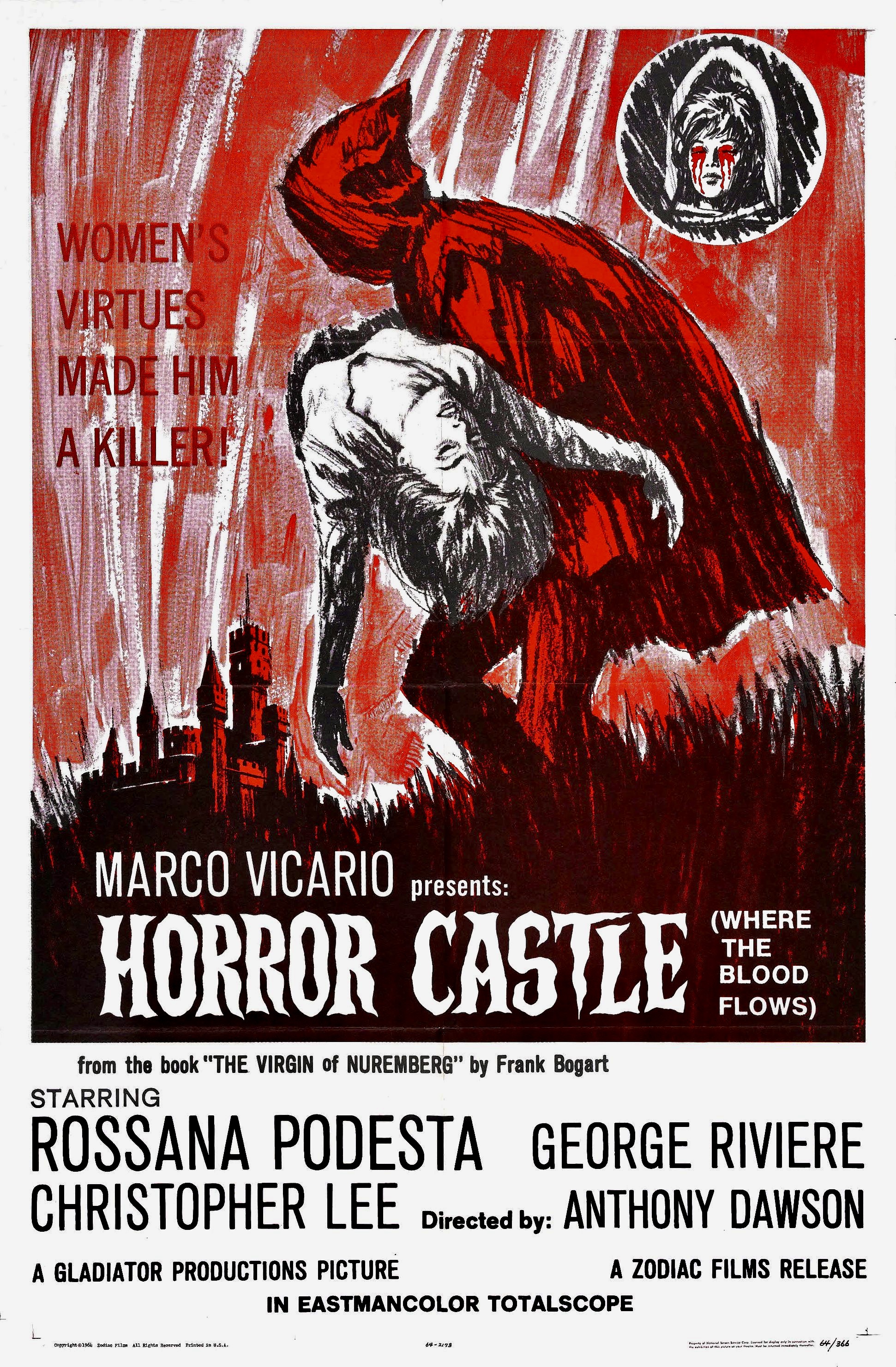
The opening sequence of the Italian film La Vergine di Norimberga (U.S. release title, Horror Castle (1963) could be a primer for Gothic horror films with every cliche of the genre on display. A dark, stormy night. A creepy castle. A frightened woman in a nightgown exploring the darkened corridors by candlelight. Where it departs from the predictable formula is in the dramatic payoff – the gruesome discovery of a mutilated woman locked inside an iron maiden, “The Virgin of Nuremberg” (the original Italian title of the film).

Continue reading
Howling on the Moors

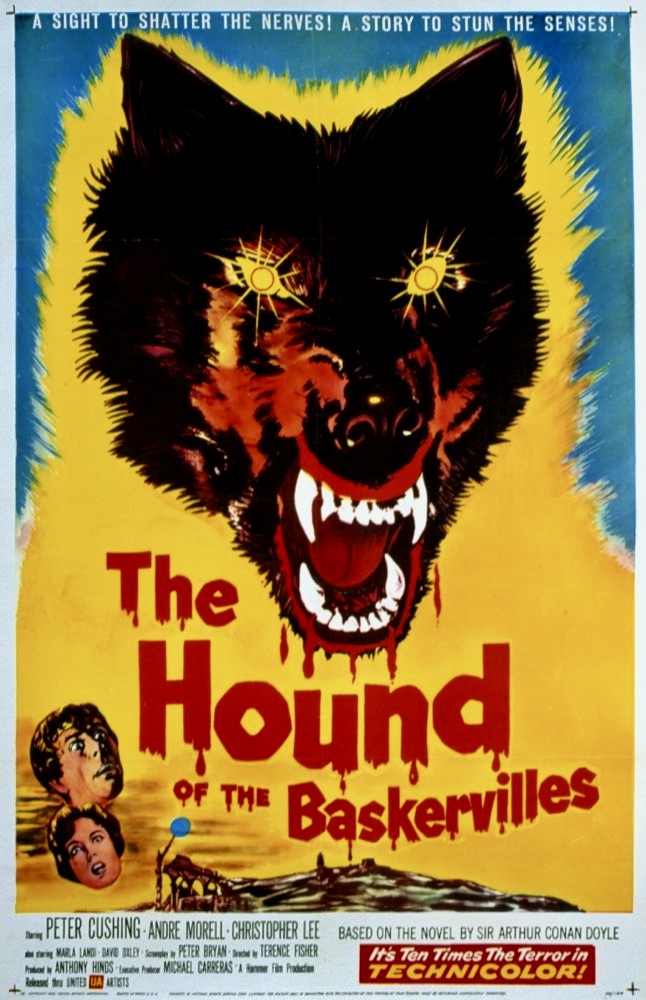
Almost thirteen years after Basil Rathbone had filmed his final screen appearance as Sherlock Holmes, Hammer Studios decided to resurrect Sir Arthur Conan Doyle’s internationally famous detective in a Technicolor remake of The Hound of the Baskervilles (1959) which had been previously filmed with Rathbone in 1939. The eerie tale, which opens in a flashback sequence to an earlier time, depicts the origins of the Baskerville curse: the decadent Sir Hugo Baskerville brutally murders a servant girl who flees a group orgy at his mansion. Immediately following her death, however, Baskerville hears a strange braying on the moors before encountering an immense spectral hound which avenges the girl’s death. We then flash forward to the present, where Sherlock Holmes and his partner, Dr. Watson, are investigating the mysterious recent death of Sir Charles Baskerville.

Continue reading

Nazi Zombies, White Slave Traders, Cannibal Cults and More from Eurocine

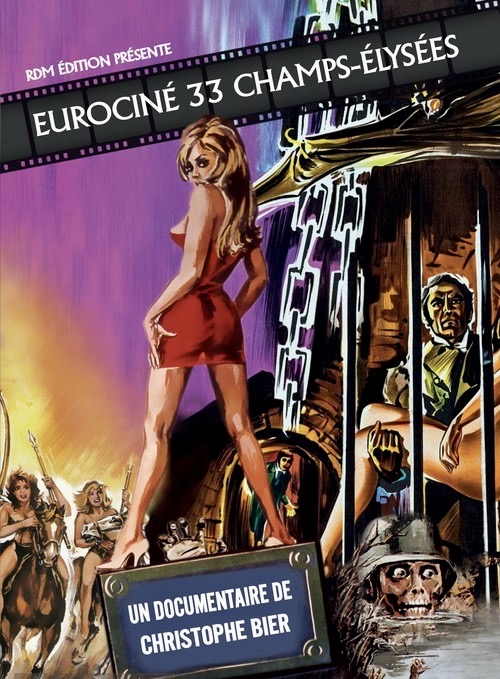
Exploitation films in every imaginable genre from the late fifties to the mid-eighties attracted a specific kind of viewer that enabled U.S. companies like American International Pictures (AIP) and Crown International Pictures to become profitable enterprises through drive-in and grindhouse saturation and later the VHS market. By spicing up their low-budget productions with more sex, violence and subject matter Hollywood avoided, these minor players provided a wildly diverse alternative to mainstream commercial cinema but it wasn’t unique to America alone. Europe also got into the act and the French company Eurocine went from obscurity to cult status for some of its more infamous hits like The Awful Dr. Orlof (1962), Red Hot Zorro (1972), White Cannibal Queen (1980) and Zombie Lake (1982). A behind-the-scenes look at the company’s history and Marius Lesoeur, the man who made it an international brand, is the focus of Eurocine 33 Champs-Elysees (2013), an entertaining and often amusing French documentary which is named after the company’s address in Paris.

Continue reading

A $20 Million Cinematic Landmark to Slapstick

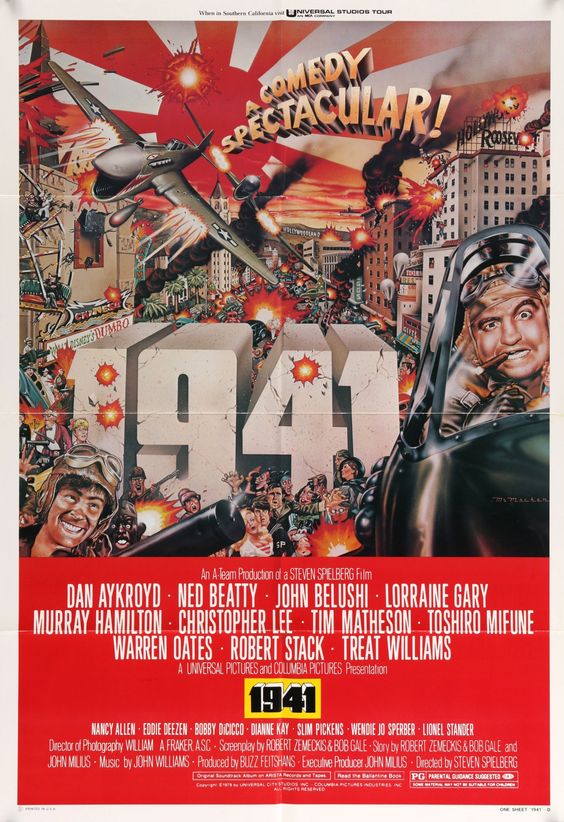
When Steven Spielberg’s 1941 opened in December 1979, it was mostly savaged by the critics though a few rose to its defense like Pauline Kael who wrote, “…the film overall is an amazing, orgiastic comedy, with the pop culture of an era compacted into a day and a night. There are such surprising slapstick payoffs that the film’s commercial failure in this country didn’t make much sense.” When I caught up with 1941 in a repertory screening in 1982, I had to concur with Kael that Spielberg’s comic epic was unfairly maligned and great fun if you just go with the chaotic flow of it.   Continue reading