
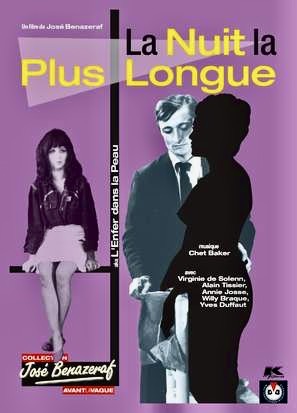
When it comes to crime films, what’s your pleasure? The genre breaks down into so many sub-categories that it helps if you have a particular theme in mind. Bank Heists? Home Invasions? Police procedurals? Gang wars? How about kidnapped heiresses? James Hadley Chase’s 1939 pulp fiction novel No Roses for Miss Blandish is a classic example of this edgy situation and has been adapted for films at least twice – the 1948 British noir of the same title starring Jack La Rue and The Grissom Gang (1971), Robert Aldrich’s violent remake with Kim Darby as the unfortunate victim. Even real-life cases involving kidnapped heiresses have inspired numerous crime dramas such as the 1974 kidnapping of Patty Hearst which spawned Abducted (1975), a sleazy exploitation rip-off from director Joseph Zito, The Ordeal of Patty Hearst, a 1979 made-for-TV dramatization, Patty Hearst (1988), Paul Schrader’s take on the events with Natasha Richardson in the title role, and probably the best of the lot, Robert Stone’s 2004 documentary, Guerrilla: The Taking of Patty Hearst. But, if you want to see an arty, minimalistic treatment of the kidnapped heiress theme with erotic interludes and a cool jazz score by trumpeter Chet Baker, look no further than L’enfer dans la peau (1965), a French softcore crime drama from director/writer/producer Jose Benazeraf, and released in the U.S. in an edited form entitled Sexus.
Continue reading
 Cinema Sojourns