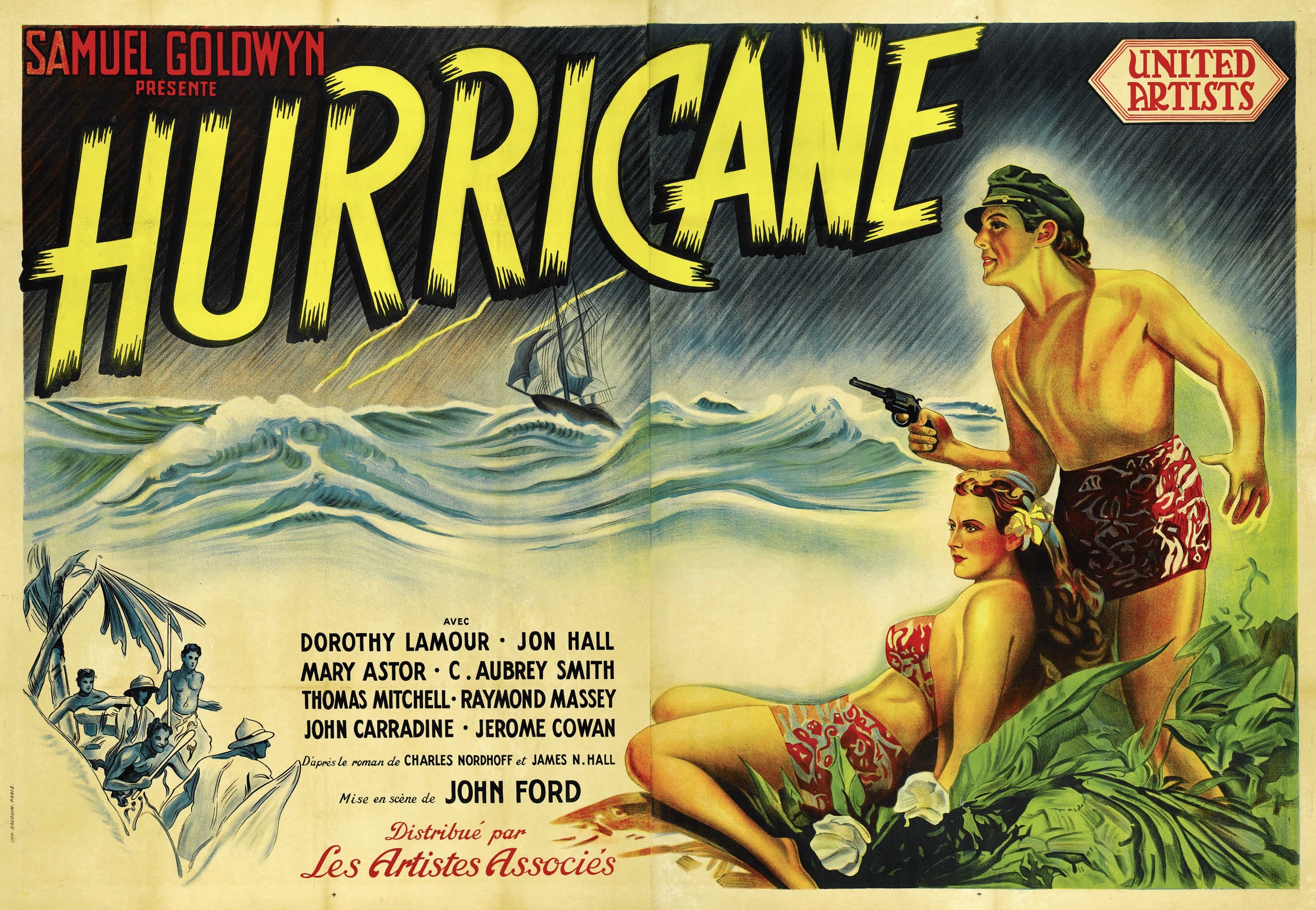
The 1970s may have been the era of the disaster film with such box office hits as Airport (1970), The Poseidon Adventure (1972), The Towering Inferno (1974) and Earthquake (1974) but the genre has been popular since the silent era when Noah’s Ark (1928) first awed moviegoers with its spectacular flood sequence. Certainly the most famous disaster film of the early sound era is San Francisco (1936) with its spectacular earthquake scenes but even more ambitious and almost overlooked today is The Hurricane (1937), directed by John Ford. While not on a level with the director’s later masterworks such as The Grapes of Wrath (1940), How Green Was My Valley (1941) or They Were Expendable (1945), this tale of colonial repression and injustice is set against the exotic background of the South Seas.
Continue readingTag Archives: C Aubrey Smith
The Next Wonder of the World
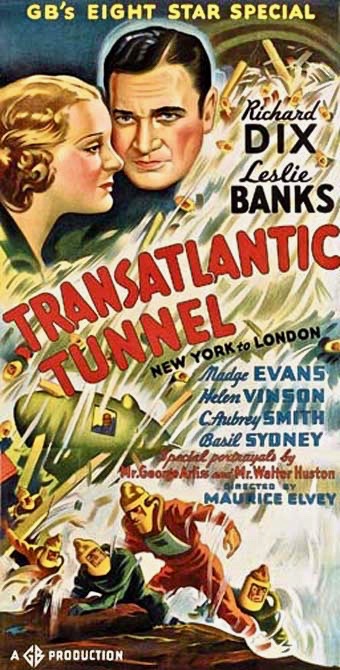
Imagine a tunnel under the Atlantic that connected the United States with Europe and provided a high speed form of transportation between the two points. It’s certainly not an unrealistic expectation for the near future when you consider that the undersea rail known as the Channel Tunnel (aka the Chunnel) that currently connects Folkestone, Kent in England to Coquelles, France has been in operation since 1994. But that remarkable feat of engineering is only 50.5 km. compared to the 5,000 km. that would be the more likely distance of an undersea rail that connected New York City with London. Still, proposed plans for under-the-sea travel connectors between countries separated by water continue to surface in news reports and may happen in the near future. What’s most remarkable is the fact that Transatlantic Tunnel (aka The Tunnel), a 1935 British film, envisioned the same thing and some of that movie’s futuristic art direction and design is not that far removed from some of the models you can view on the interest today (just do a search for undersea rail systems). Continue reading

