
Roll with the Punches

The Japanese poster for THE BOXER (1977) aka Bokusa.

Movies about boxers often seem to break down into four categories; the most popular are the ones where the underdog fighter overcomes all odds to become a champion (Rocky [1976], Million Dollar Baby [2004], Cinderella Man [2005]). Then there are true-life biopics like Somebody Up There Likes Me (1956), Raging Bull (1980) and Ali (2001), downbeat character portraits of boxers past their prime (Requiem for a Heavyweight [1962], Fat City [1972]) and noir dramas that highlight the corrupt aspects of the profession like The Set-Up (1949) or The Harder They Fall (1956). Bokusa (English title: The Boxer (1977), a Japanese film directed by Shuji Terayama, has elements of some of the above but it is decidedly different from any American film in the boxing genre.

Continue reading
Wolves, Pigs and Men

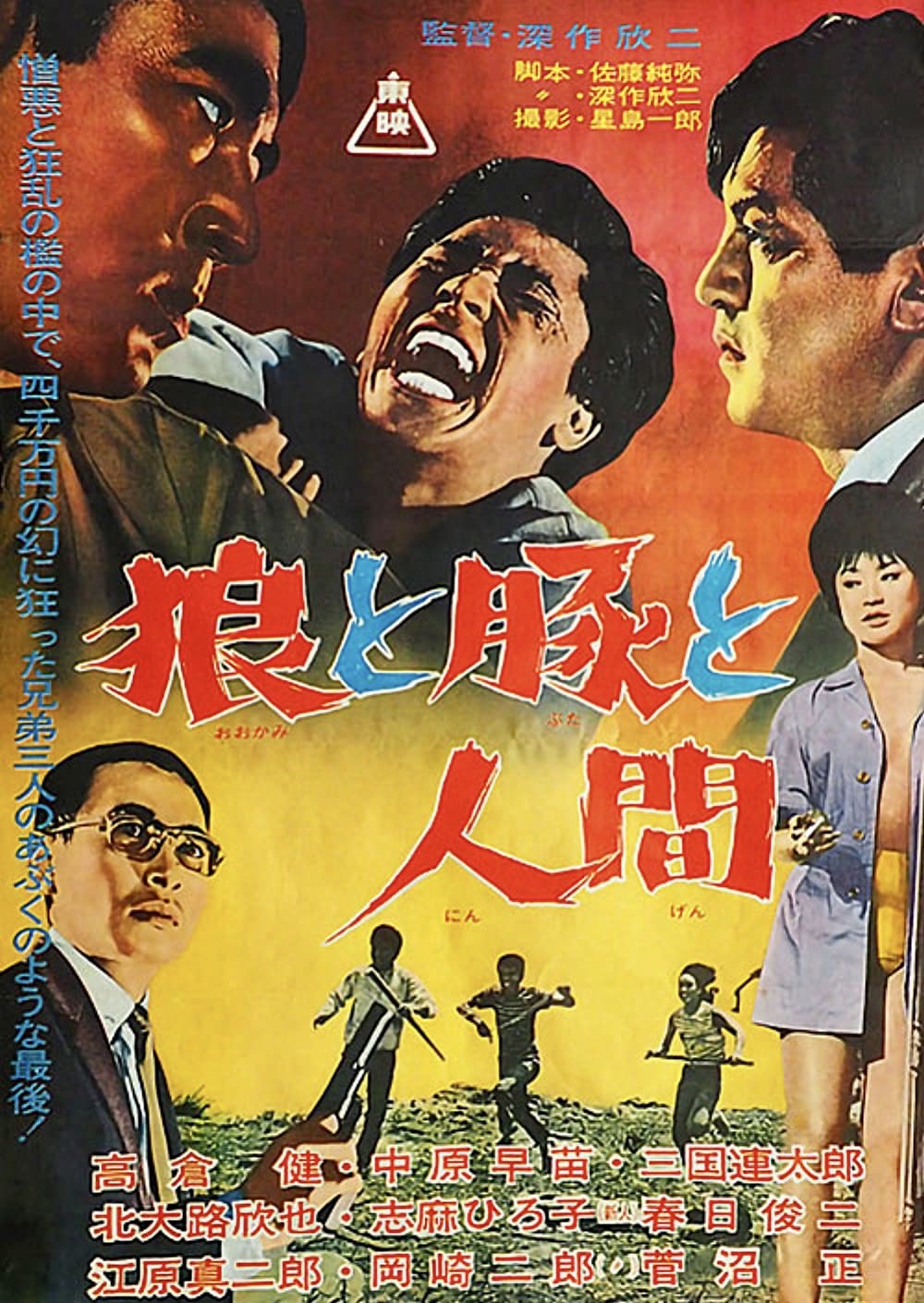
The Japanese film poster for WOLVES, PIGS AND MEN (1964).

Among the many post-WW2 Japanese filmmakers who emerged in the 1960s and hit their stride in the seventies, Kinji Fukasaku was one of the most prominent and critically acclaimed directors in his own country but didn’t start to acquire a growing fan base in the U.S. until after 2000 when some of his masterworks began to appear on DVD such as the yakuza epic Battles Without Honor and Humanity aka The Yakuza Papers (1973), which launched a five-film franchise, and Battle Royale (2000), a controversial futuristic fable about institutionalized violence against problem teenagers. Over the years, Fukasaku has dabbled in numerous film genres from historical drama (Under the Flag of the Rising Sun, 1972) to sci-fi (Message from Space, 1978) and comedy (Fall Guy, 1982), but he is best known from his crime dramas, especially those which popularized the jitsuroku eiga genre. His documentary-like dramatizations based on real crimes often depicted yakuza figures as ruthless men operating without “honor and humanity” (in the title words of his breakthrough film). Even prior to his trend-setting crime thrillers of the mid-seventies, Fukasaku was turning out edgy, innovative work and Okami to Buta to Ningen (English title: Wolves, Pigs and Men) from 1964 is an explosive, nihilistic tale which qualifies as a rough-hewn, early masterpiece.

Continue reading

Don’t Act Cool, Just Be Cool

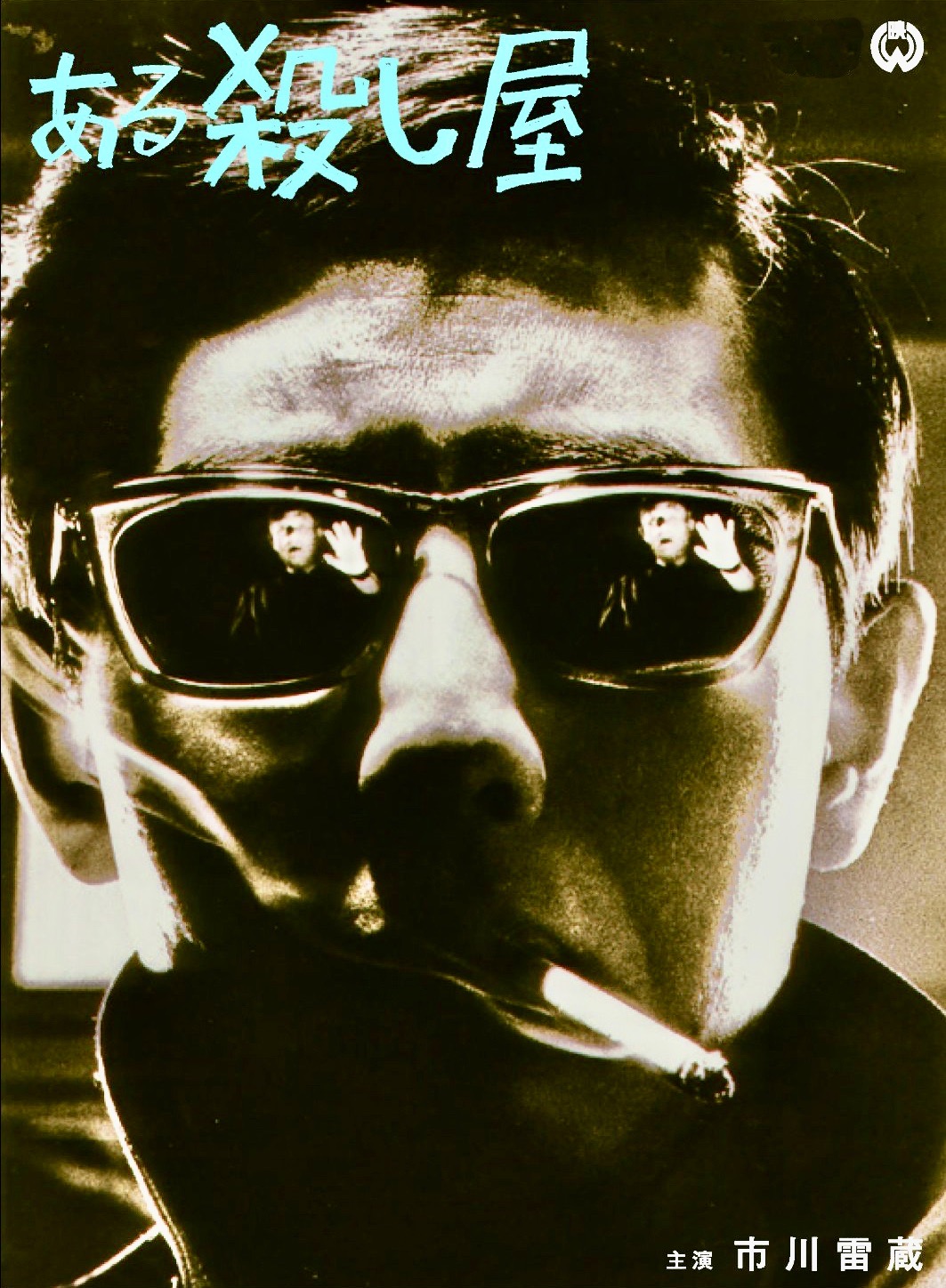
The Japanese film poster for A Certain Killer (1967) aka Aru Koroshi Ya starring Raizo Ichikawa.

The yakuza thriller has been a prominent genre in Japanese cinema since the silent era when soon to be celebrated directors like Yasujiro Ozu dabbled in gangster melodramas like Walk Cheerfully (1930) and Dragnet Girl (1933). Once conceived as B-movies with low-budgets and rushed production schedules, the yakuza film graduated to A-picture productions in the 1970s but the genre really hit its stride in the 1960s with such stellar examples as Masahiro Shinoda’s Pale Flower (1964), Seijun Suzuki’s Tokyo Drifter (1966) and his more wildly stylized follow-up, Branded to Kill (1967). Still, there are so many superb yakuza films from this period waiting to be discovered by American audiences and one of my favorites is A Certain Killer (1967, Japanese title: Aru Koroshi Ya) from director Kazuo Mori.

Continue reading