Family holidays can be a joy or an ordeal depending on the family. In British director Joanna Hogg’s second theatrical feature, Archipelago (2010), the Leighton family start their holiday on an upbeat note. Patricia (Kate Fahy) and her daughter Cynthia (Lydia Leonard) have rented their favorite vacation home from past visits on the island of Tresco (which is part of the Isles of Scilly archipelago) as a farewell gathering for Cynthia’s brother Edward (Tom Hiddleston). He is taking a break from his job in the city to do volunteer work in Africa and his mother and sister want to give him a memorable send-off. William, Edward’s father, is on his way to join them and family friend and artist Christopher (Christopher Baker) is staying nearby and will be on hand to mentor Patricia on her painting and sketching endeavors and join them for outings. What could possibly go wrong for such a privileged family in idyllic surroundings?
Continue readingCategory Archives: film
Not a Beauty Treatment
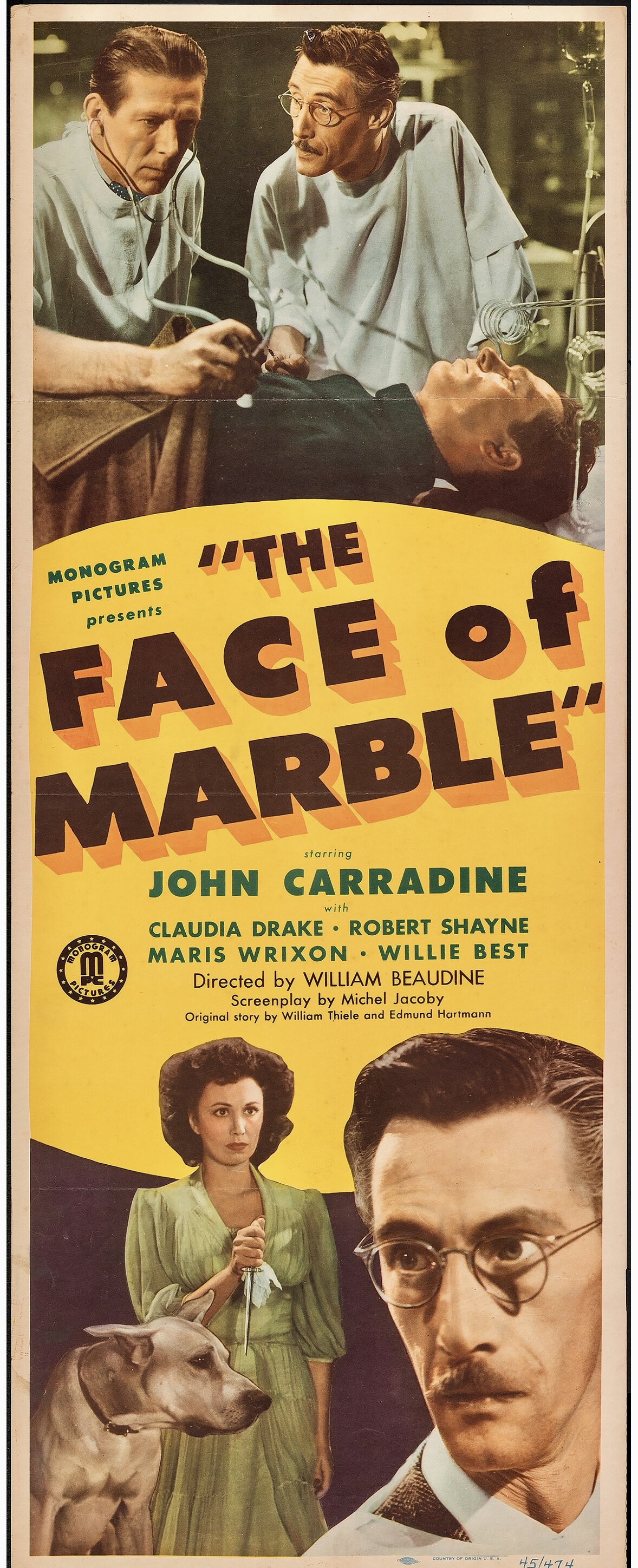
It’s not likely that a Poverty Row horror film like The Face of Marble (1946) will ever end up on anyone’s top ten list – unless the category is guilty pleasures – but that’s what distinguishes a movie like this from a title on the AFI approved list of great American classics. A cult movie rarely conforms to conventional standards of what’s good and what’s bad and that’s why The Face of Marble could be a more entertaining and challenging viewing experience than say, Ingmar Bergman’s Winter Light (1963). For one thing, you need a scorecard to keep track of the anything-goes-plot which ties together failed scientific experiments, reanimated corpses, a blood-drinking ghost dog that can walk through walls, a voodoo-practicing housekeeper and one woman’s hopeless, unrequited romantic obsession with her husband’s young assistant.
Continue readingThe Vice Merchants
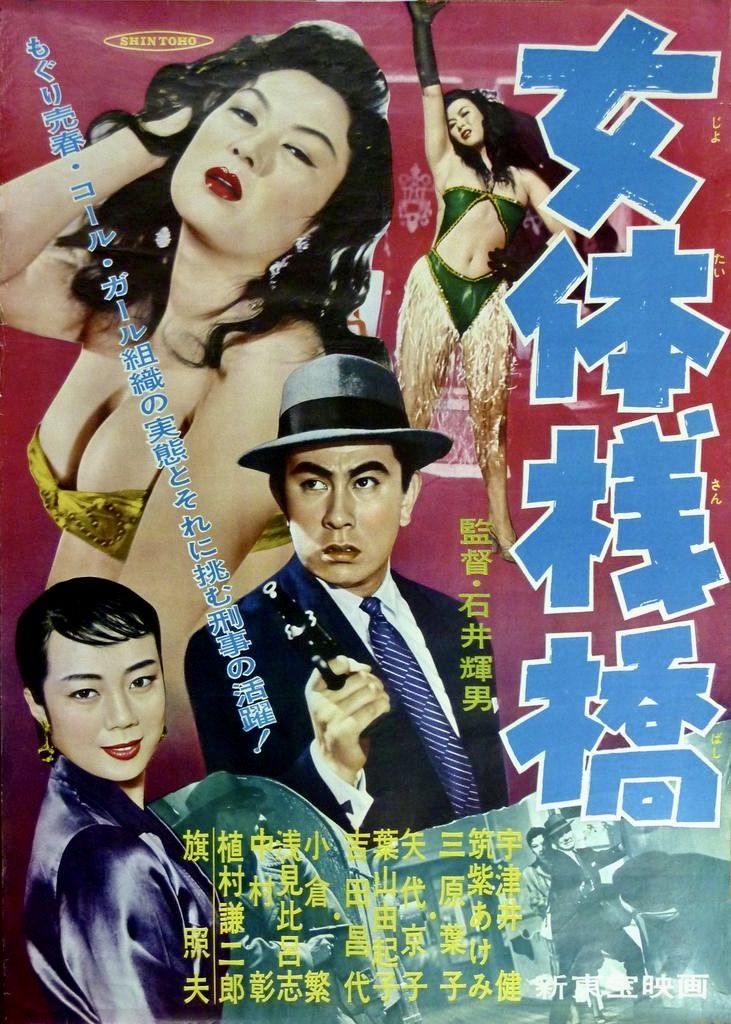
In January 1950 U.S. Senator Estes Kefauver launched an investigation into organized crime across America that exposed rampant corruption, racketeering and illegal practices being committed within public institutions across the country. Since these hearings were broadcast on television and the radio, the American public soon learned about various crime syndicates that were operating in specific cities and states. Movie studios in Hollywood also took note and began turning out numerous crime expose movies filmed in a semi-documentary fashion and often featuring an opening narration that used a real law official to warn against the situation being depicted. Among the more representative of these crime expose thrillers were Kansas City Confidential (1952), The Captive City (1952), Down Three Dark Streets (1954), The Phenix City Story (1955) and The Brothers Rico (1957). Without a doubt, this new trend in crime movies influenced filmmakers around the globe with countries as diverse as Germany, the U.K. and Japan creating their own variations on the formula. Nyotai Sanbashi (1958), which roughly translates as Pier of a Woman’s Body or Flesh Pier, is a particularly tantalizing down-and-dirty B-movie from Japanese director Teruo Ishii that mimics the expose approach of The Phenix City Story in its tale of mob-controlled businesses, sex trafficking and other criminal activities in Tokyo.
Continue readingWhat’s Worse Than a Typhoon?
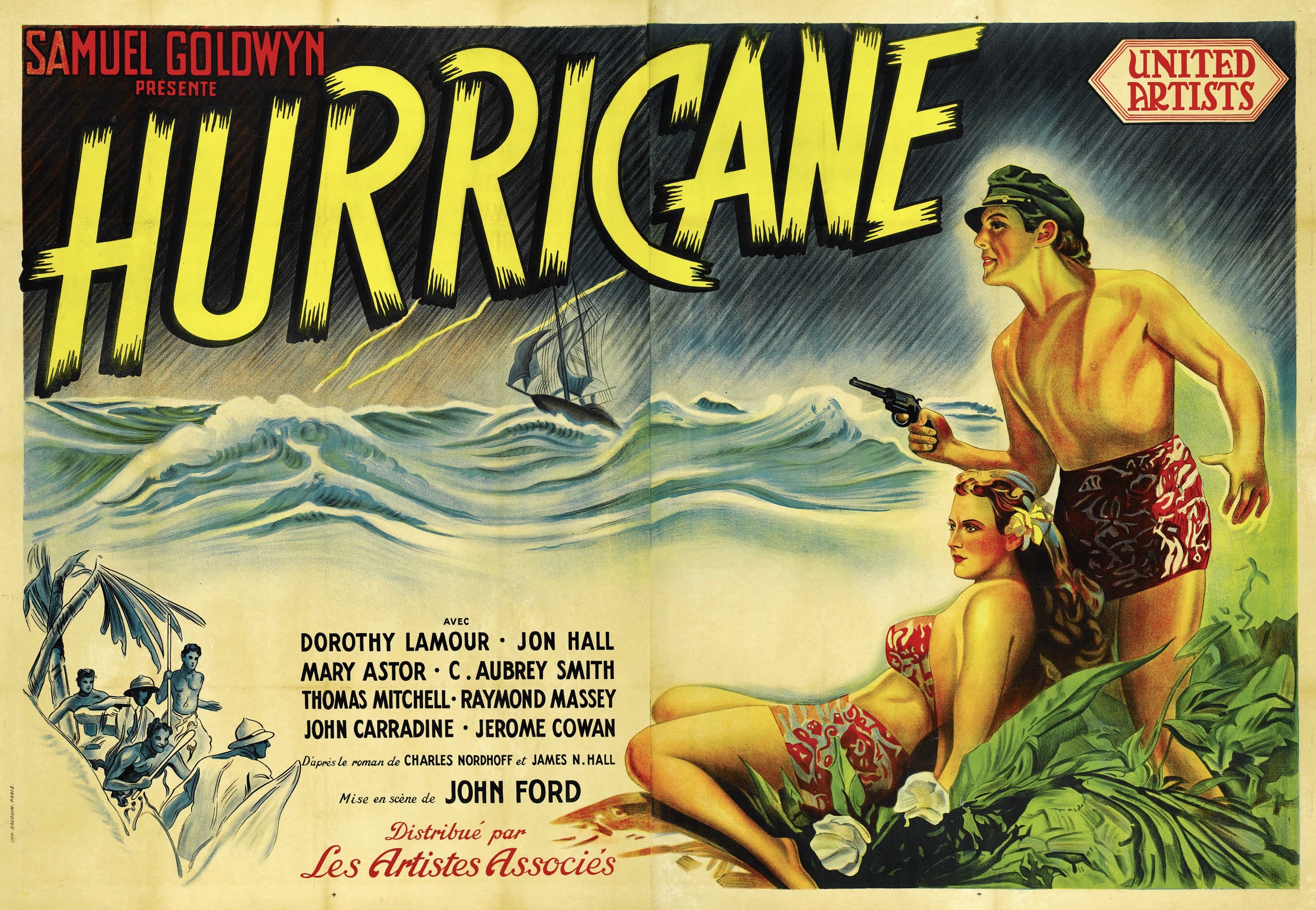
The 1970s may have been the era of the disaster film with such box office hits as Airport (1970), The Poseidon Adventure (1972), The Towering Inferno (1974) and Earthquake (1974) but the genre has been popular since the silent era when Noah’s Ark (1928) first awed moviegoers with its spectacular flood sequence. Certainly the most famous disaster film of the early sound era is San Francisco (1936) with its spectacular earthquake scenes but even more ambitious and almost overlooked today is The Hurricane (1937), directed by John Ford. While not on a level with the director’s later masterworks such as The Grapes of Wrath (1940), How Green Was My Valley (1941) or They Were Expendable (1945), this tale of colonial repression and injustice is set against the exotic background of the South Seas.
Continue readingResistance Begins at Home
In 1940 after France had fallen to the German army, journalist Jean Bruller and his wife, who lived outside Paris, were forced to share their home with a Nazi officer for an extended period of time. That experience inspired Bruller to write the novella Le Silence de la Mer (The Silence of the Sea) under the pseudonym Vercors. The book was secretly published in late 1941 and became known as “the first underground book of the occupation.” It also became an inspiration to the French Resistance in its depiction of using silence as a weapon against the enemy when no other option was possible. It might seem like an unusual choice for French director Jean-Pierre Melville’s feature film debut when you consider that he is mostly famous for his crime and gangster thrillers like Bob le Flambeur (1956), Le Deuxieme Souffle (aka Second Wind, 1966) and Le Samourai (1967). Then again, many consider Melville’s 1969 WW2 drama L’armee des Ombres (aka Army of Shadows) about French underground fighters in Nazi-occupied Paris his masterpiece. Add to this the fact that Melville was also an active member of the French Resistance and The Silence of the Sea makes perfect sense as his feature debut.
Continue readingEva Malmborg, Crime Reporter

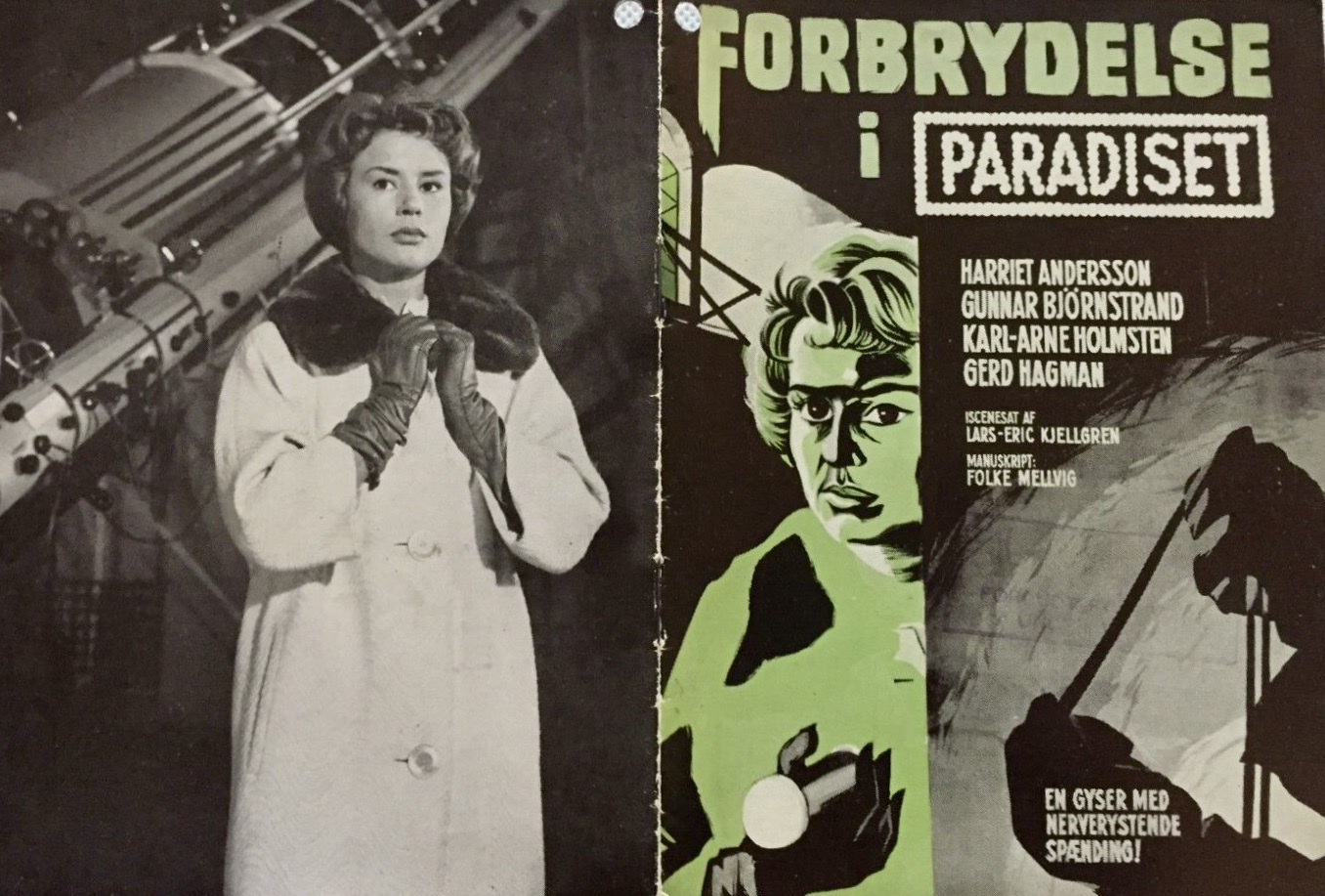
Swedish actress Harriet Andersson is best known for her many film collaborations with director Ingmar Bergman but, even after she became a celebrated star in the mid-fifties with her breakout role in Bergman’s Summer with Monica (1953) and the award-winning Smiles of a Summer Night (1955), she continued to appear in a wide variety of films and not just art-house fare. She could play anything from sexy sirens to fiercely independent, working class women to romantic heroines and one of her more entertaining efforts is her performance as Eva Malmborg, a fledgling reporter who helps solve a famous robbery/murder in the 1959 genre thriller Brott I Paradiset (English title: Crime in Paradise), directed by Lars-Eric Kjellgren.
Continue readingOn the Loose in Amsterdam
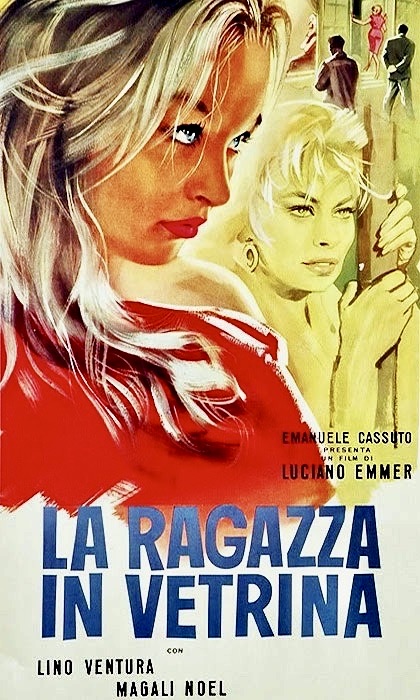
The controversial problem of immigration in Italy has been a problem for decades, not just with internal migration of workers from the south to the north, but also with the influx of refugees from Africa and other areas around the Mediterranean. Not surprisingly, there have been numerous Italian films to address this situation over the years but only a handful of them have received praise and recognition outside their own country. Among them are Pietro Germi’s Il Cammino della Speranza (The Path of Hope, 1950), in which a group of Sicilian workers try to emigrate illegally to France, I Magliari (The Swindlers, 1959), Francesco Rosi’s drama about an out-of-work Italian miner (Renato Salvatore) in Germany, and Lina Wertmuller’s Tutto a Posto e Niente in Ordine (All Screwed Up, 1974), which focuses on immigrants from southern Italy trying to find work in Milan. To this short list, I would like to add Luciano Emmer’s rarely seen La Ragazza in Vetrina (The Girl in the Picture Window, 1961), a tale about two immigrant miners in Belgium who enjoy a weekend getaway in Amsterdam.
Continue readingMasks Are Powerful

There is one cinema gimmick that always works for me and can sometimes lift a movie out of the ordinary and take it somewhere unexpected. This usually occurs when someone either puts on a mask or appears in one. The simple act of doing this immediately brings something theatrical and visually arresting to the scene that taps into our subconscious on an almost primeval level.
Continue readingBehind the Scenes on Bonjour Tristesse
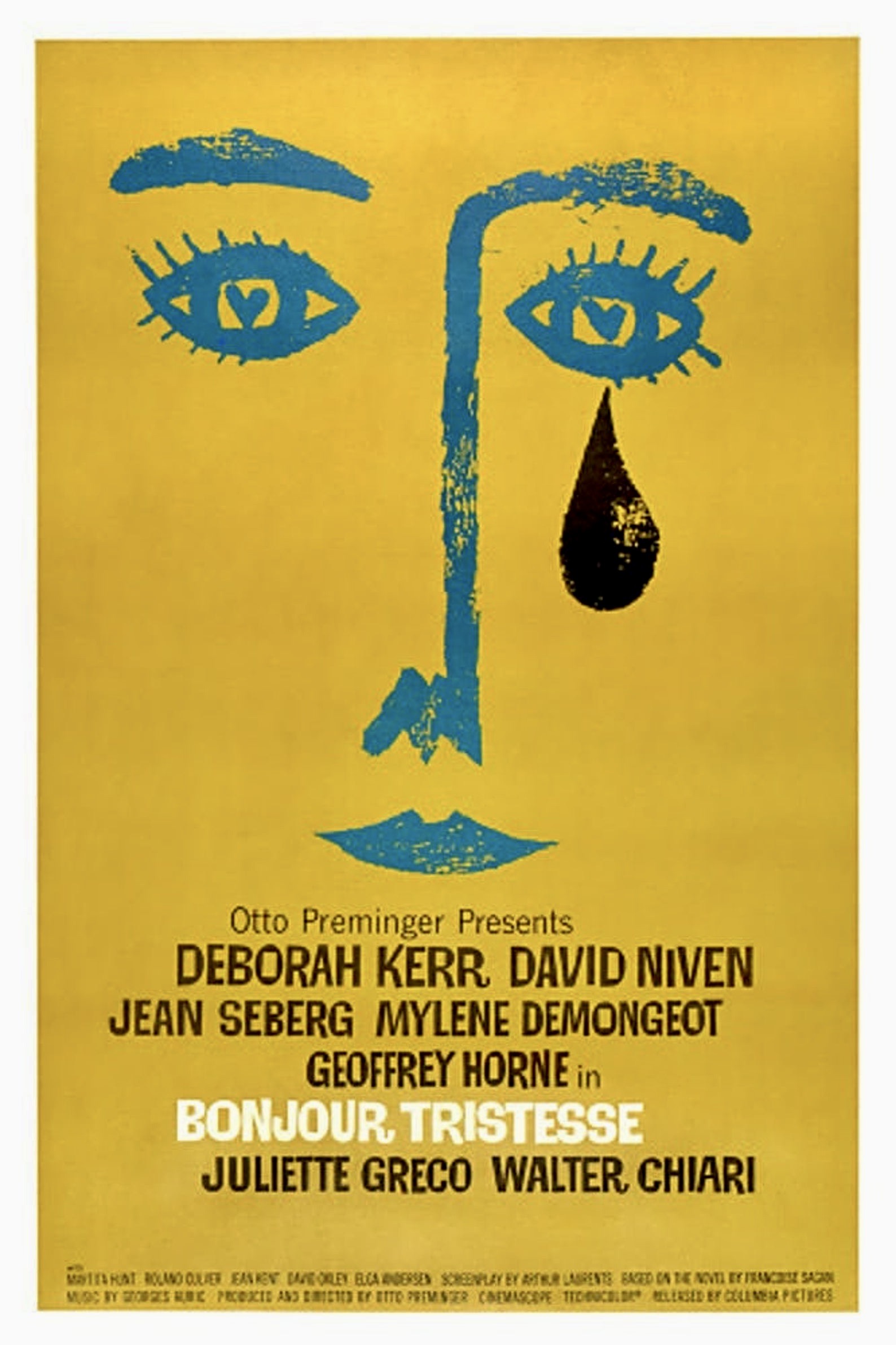
When Otto Preminger announced in 1957 that his next project would be Bonjour Tristesse, based on the best-selling novel by Francoise Sagan, and that it would star Jean Seberg, colleagues and fellow members of the film industry were astonished. After all, his previous film, Saint Joan (1957), which featured Seberg in her film debut, was probably the biggest critical and commercial disaster of Preminger’s career with most of the negative reviews focusing on the inexperienced newcomer whom Preminger had “discovered.” Was Bonjour Tristesse (1958) his attempt to prove to everyone that he was not wrong about Seberg and that her performance in his new movie would validate all the time and effort he had poured into making her an actress? The real reasons, of course, were more complicated than that.
Continue readingLeon Klimovsky’s Pothead Noir
Among the many anti-marijuana films made over the years, it is generally agreed that the most famous of them all is Reefer Madness (1936), which earned a huge cult following in the 1960s due to its outrageously over-the-top depiction of marijuana use and its effects. Most of the anti-pot movies were false, exaggerated presentations of how the herb turned users into addicts and rivaled heroin as a gateway into sin, debauchery, violence and death. The U.S. was not alone in turning out these anti-drug scare films and one of the lesser known but historically significant releases for its time was Marihuana (U.S. title, The Marihuana Story, 1950), directed by Argentinian filmmaker Leon Klimovsky, who would later relocate to Spain and specialize in horror movies, spaghetti westerns and other low-budget genre efforts.
Continue reading