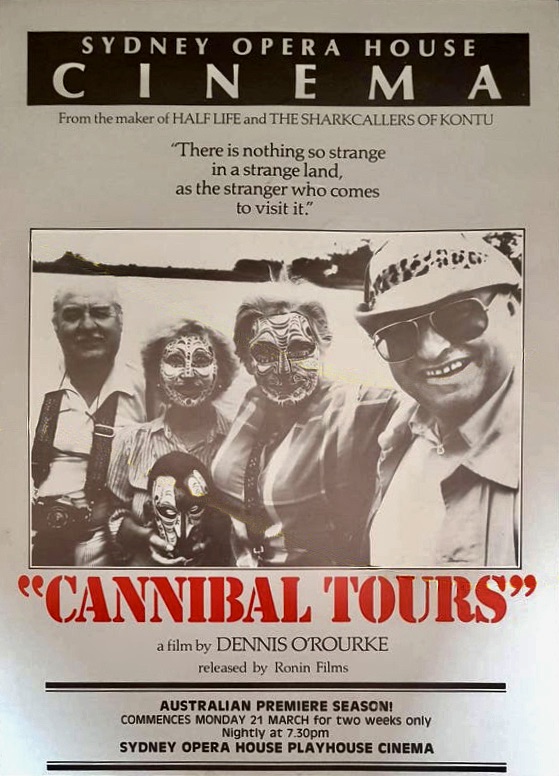
The Cambridge Dictionary definition of a tourist is “someone who visits a place for pleasure and interest, usually while on vacation.” That doesn’t have to have negative connotations but it usually does because most tourists in holiday mode are totally focused on their own enjoyment. As a result, they might not fully appreciate or understand the culture they are encountering and Cannibal Tours (1988), a documentary by Dennis O’Rourke, is an excellent example of this. The film follows a chartered river cruise of the Sepik River in Papua, New Guinea in which the travelers – mostly from Germany, Australia, Italy and the U.S. – disembark at several villages along the way and interact with the local residents while visiting nearby tourist attractions. The title may be facetious – there are no cannibals on display in the film – but cannibalism was practiced in the region up to 1960 when it was outlawed by the Australian government, which was in control of Papua, New Guinea at the time.
Continue readingCategory Archives: film
Where the Wild Things Are
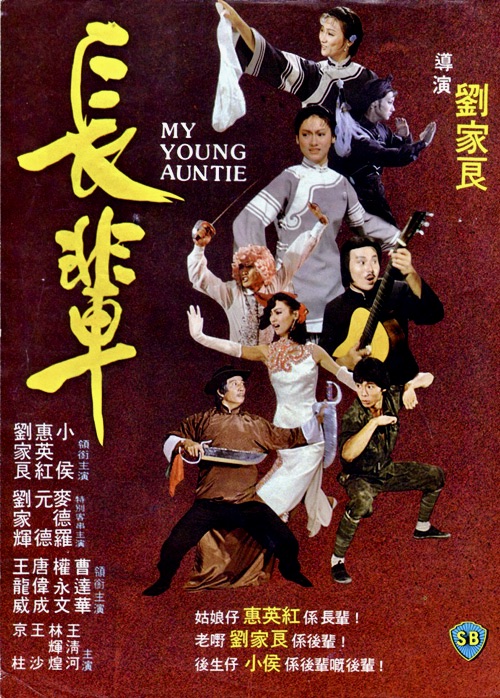
Remember the first wave of Hong Kong cinema to hit American movie screens in 1972? Bruce Lee was transformed into an international superstar after the release of The Big Boss and Fist of Fury and other martial arts masters like Jimmy Wang Yu and Lieh Lo developed cult followings for films such as One-Armed Boxer and Five Fingers of Death. Most of these movies were the product of a male-dominated film industry but, as early as the mid-sixties, female heroines begin to emerge in the genre as witnessed by Cheng Pei Pei in King Hu’s Come Drink with Me (1966). Others would follow like Angela Mao in Deadly China Doll (1973) and Kara Hui in My Young Auntie (1981).
The Hong Kong movie business became even more diversified in 1988 after a new censorship ordinance created a rating system: Category I (general viewing), Category II (parental guidance) and Category III (adults only over 18 years of age). That third category quickly became notorious for an anything-goes-approach to the depiction of sex and violence on-screen. A major turning point was 1991 when Michael Mak’s Sex and Zen, Robotrix starring Amy Yip, and Black Cat with Jade Leung in the title role were among the first to push these boundaries to extremes in Hong Kong cinema. Martial arts actioners got even more outrageous the following year with the release of Chik Loh Goh Yeung (English title: Naked Killer (1992), in which a pair of lesbian assassins terrorize the male scumbags of Hong Kong before squaring off against a rival duo of lesbian hired killers.
Continue readingHeavenly Hijinks
Audiences are obviously suckers for films about helpful ghosts or guardian angels because Hollywood has been grinding out variations on this theme for years. Alternately saccharine and sentimental, these films are rarely well received by the critics but there have been a few exceptions over the years, the chief one being Here Comes Mr. Jordan (1941), which is really the film that started the whole trend. In its wake, there were numerous contenders covering the same celestial terrain – I Married an Angel (1942), Angel on My Shoulder (1946), Down to Earth (1947) and Angels in the Outfield (1951) – but Here Comes Mr. Jordan remains the most imaginative, comical, and romantic of the lot.
Continue readingThe Fishermen of Aci Trezza
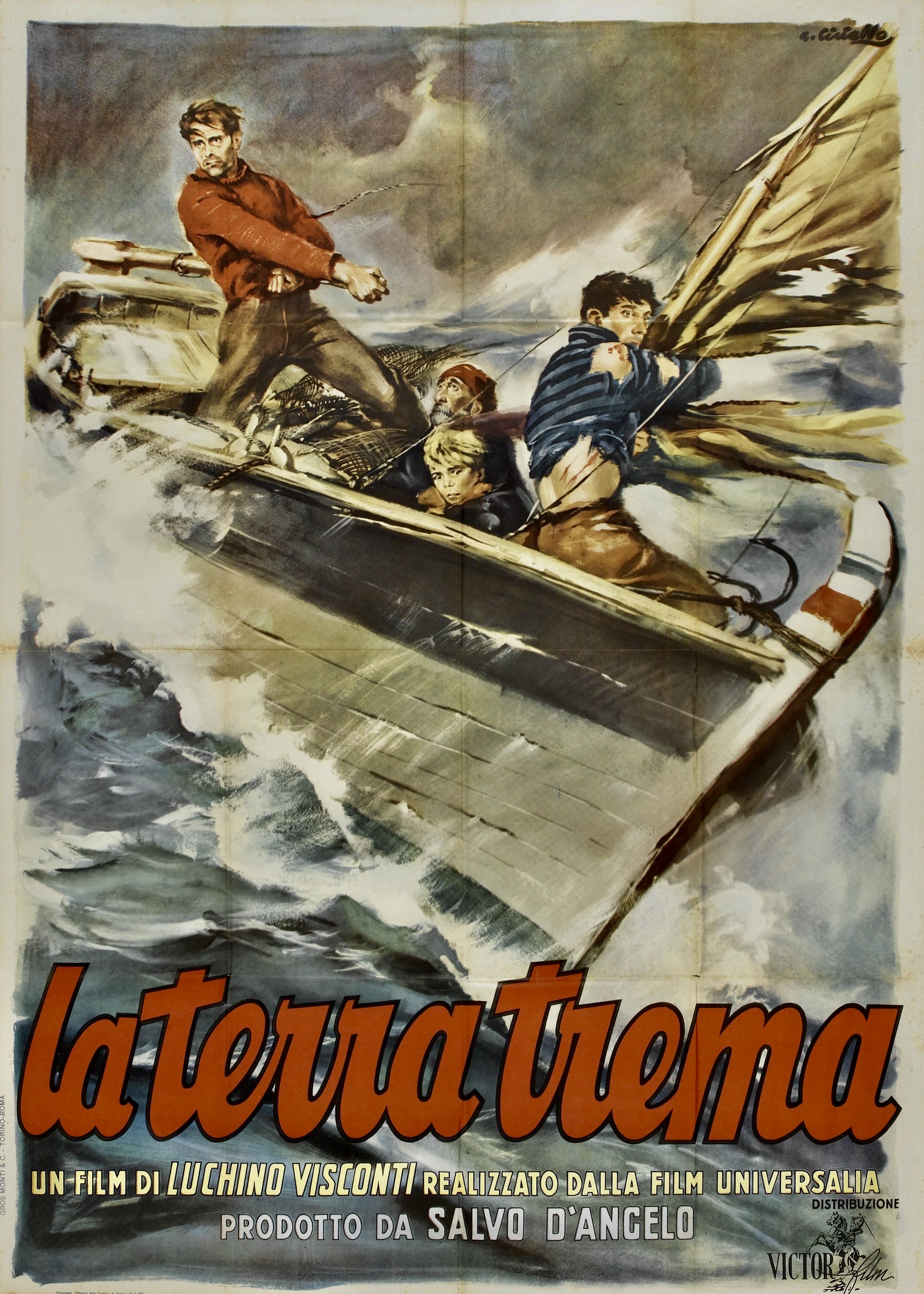
Every film lover remembers a point when they begin to view cinema as an art form and not just ephemeral entertainment. A turning point for me was the PBS series Film Odyssey, which presented classics from the Janus Collection, hosted by Los Angeles Times’ film critic Charles Champlin in 1971. That marked my first exposure to Ingmar Bergman (Wild Strawberries), Federico Fellini (La Strada), Jean Cocteau (Beauty and the Beast) and Akira Kurosawa (Rashomon), among others. But it was the film history class I took at the University of Georgia in 1974 that really opened my eyes to the possibilities of film as a creative medium. I learned about the auteur theory in that class with screenings of Sam Fuller’s The Steel Helmet and Nicholas Ray’s Bigger Than Life and developed an appreciation for silent cinema (D.W. Griffith’s Orphans of the Storm, Aleksandr Dovzhenko’s Earth) and the virtues of the Studio System (represented by George Sidney’s Scaramouche and Leo McCarey’s An Affair to Remember). What made the biggest impact on me, however, were the Italian neorealism films of the post-WW2 era, especially Luchino Visconti’s La Terra Trema [1948] (The English translation is The Earth Trembles).
Continue readingNo Help Coming
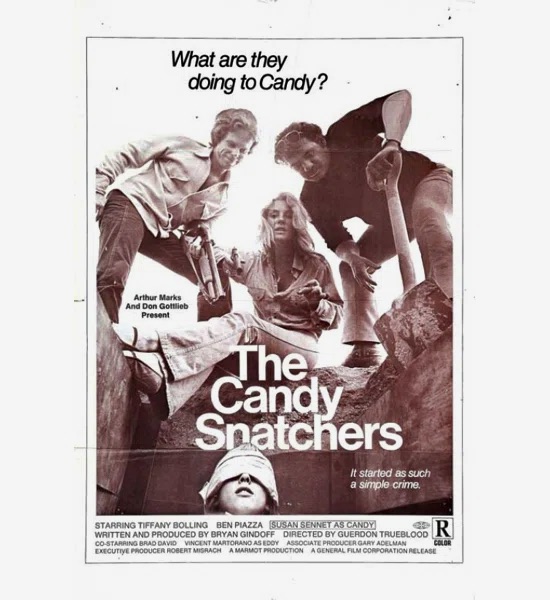
Between 1984 and 1986, WVEU (Channel 69) in Atlanta dropped its VEU affiliate programming and served up a schedule of cartoons, music videos, syndicated series and low-budget feature films. Among the latter were such Crown International drive-in faves as The Stepmother (1972) and Trip with the Teacher (1975) starring Zalman King in his most wacked-out performance (and probably the reason that he gave up acting for producing). Other ‘can you believe this?’ oddities that turned up were The Baby (1973) in which a man-hating mom (Ruth Roman) raises her son to be a gurgling, helpless man-baby and The Psychopath (1975) about a deranged kid’s show host who murdered abusive parents. You never knew what was going to turn up on Channel 69 but for a film buff it was a treasure trove of marginalized cinema. It was here that I first saw The Candy Snatchers (1973), a film which in many ways is just as misanthropic, sleazy and uncompromising as Wes Craven’s Last House on the Left which came out the following year. It was actually shocking to see this movie play in a late afternoon slot where school kids could easily tune in but the simple truth is that hardly anybody watched Channel 69 making it easy for something like The Candy Snatchers to pass unnoticed by all but a few.
Continue readingPorcelain Mania
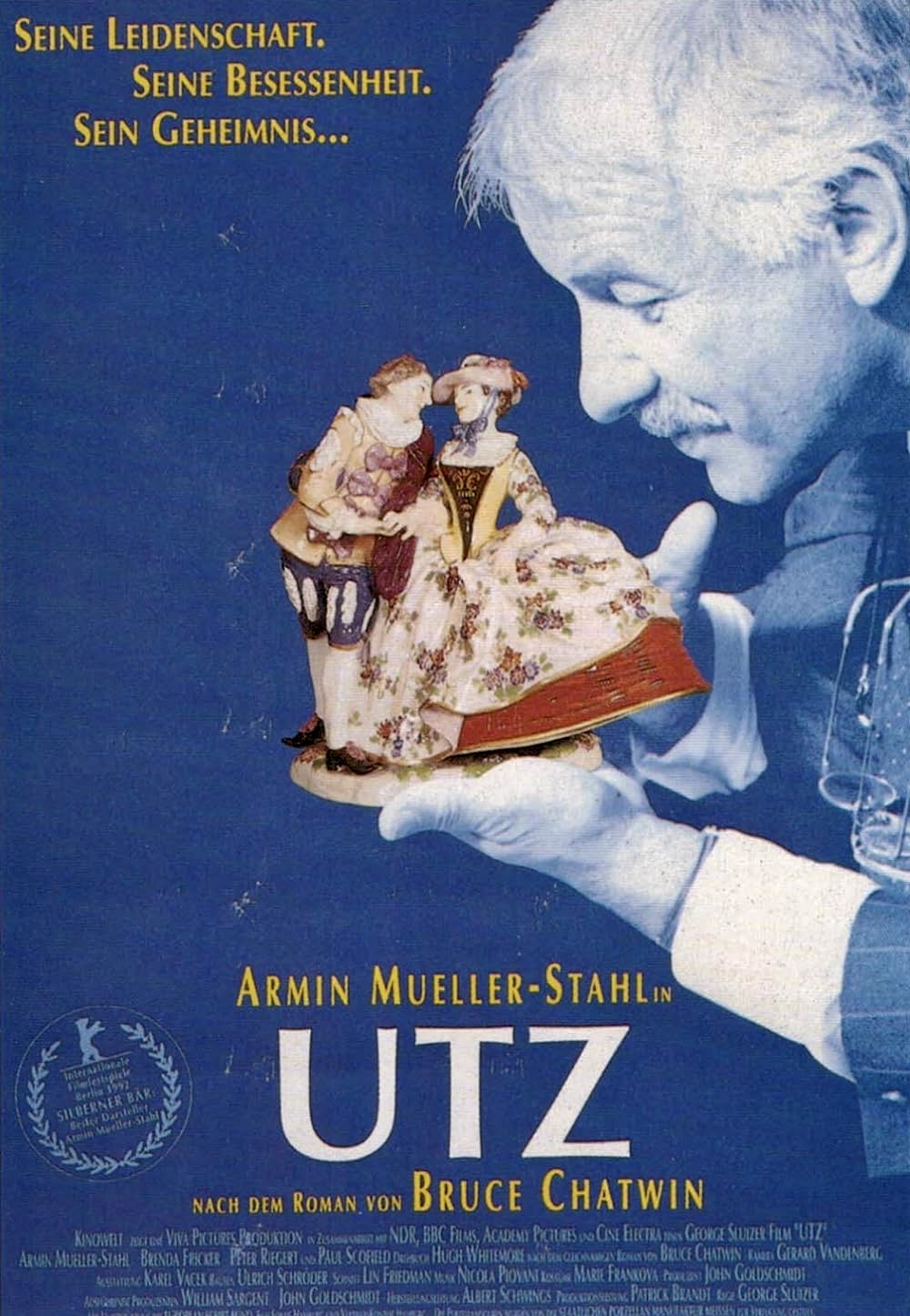
Often considered one of the most acclaimed and intriguing writers of the 20th century, Bruce Chatwin was more than just a novelist. He was also a journalist, anthropologist, and world traveler who is best known for his debut novel In Patagonia (1977), which he wrote after leaving his prestigious position as an art expert at Sotheby’s. Three of his novels have been adapted to the screen, including Cobra Verde (1987), based on his novel The Viceroy of Ouidah and directed by Werner Herzog with Klaus Kinski in the lead, On the Black Hill (1988), which was filmed on location in Wales by Andrew Grieve, and Utz (1992), which Chatwin once described as a “Middle European fairy-story”. Of these three film adaptations, Utz is often considered the most personal and intricately detailed of the lot because it reflects the author’s own interest in antiquities and art objects. The movie also transforms a highly eccentric story into an accessible portrait of an obsessive personality, one who has amassed a priceless collection of pottery, much of it devoted to ceramic figurines from the Meissen factory (Europe’s oldest porcelain manufacturer).
Continue readingBilly Wilder’s Directorial Debut
Sometimes you hear a famous actor or actress state in an interview that they never watch their own movies. If they are that self-conscious, how did they ever become actors? Don’t you improve your craft by watching your films so you can see what works and what doesn’t? But some directors are guilty of this too such as Billy Wilder, who has often stated he doesn’t like watching his completed films because he always sees things he wants to change and it’s too late. Wilder has even admitted that he never watched the first movie he ever directed, Mauvaise Graine aka Bad Seed (1934), and never wanted to see it. Despite his disregard for the film, which he co-directed with Alexander Esway, Mauvaise Graine is nothing to be ashamed of and, for most Billy Wilder fans, it is an unexpected treat.
Continue readingThere’s No Place Like Home
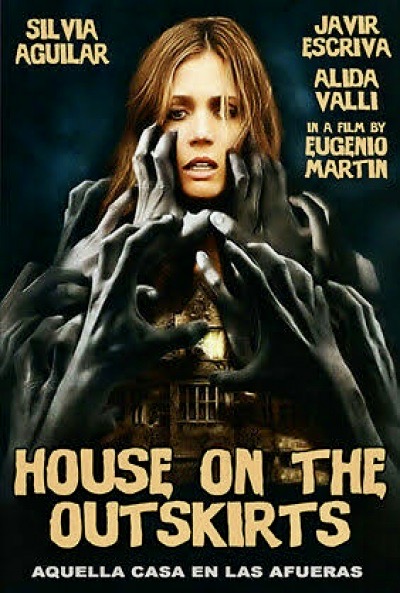
Spanish director Eugenio Martin is not a name familiar to the average American moviegoer but for fans of European genre films, he has developed a cult following over the years, thanks to the release on DVD and Blu-ray of some of his better known titles. Among these are the fast-paced, enormously entertaining sci-fi/horror/train disaster hybrid Horror Express (1970) with Christopher Lee, Peter Cushing and Telly Savalas, the giallo The Fourth Victim (1971) starring Carroll Baker, and A Candle for the Devil aka It Happened at Nightmare Inn (1973) in which two religious fanatic sisters are behind a series of murders. Martin also helmed several entrees in the Spaghetti Western genre such as The Ugly Ones (1966), Requiem for a Gringo (1968) and Bad Man’s River (1971) featuring Lee Van Cleef, James Mason and Gina Lollobrigida but some of his efforts defy easy categorization like Aquella Casa en las Afueras (English title: The House on the Outskirts, 1980), which is like a woman-in-peril melodrama crossed with an “old dark house” thriller. Throw in some unspoken but implied social commentary on women’s birthrights and you have a rather unique film from post-Franco Spain.
Continue readingShowdown in the Arctic Ocean
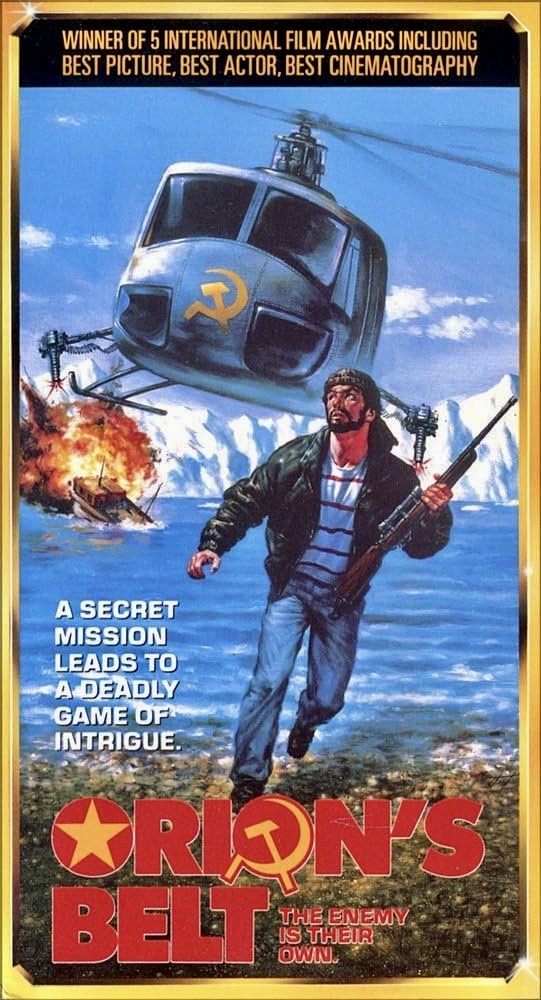
Quick, name your favorite movie from Norway. If nothing immediate comes to mind it is because very few Norwegian films get imported to the U.S. and the few that do are usually art house fare that play to niche audiences in the major cities. Regardless of that, Norway has had a thriving film industry for years and a few filmmakers have developed international reputations such as Morten Tyldum, who was Oscar nominated for Best Director for The Imitation Game (2014) starring Benedict Cumberbatch as the British mathematical genius Alan Turing, and Joachim Trier, whose 2021 movie The Worst Person in the World received Academy Award nominations for Best International Feature Film and Best Original Screenplay. One of the few exceptions to the above is Orions Belte (English title: Orion’s Belt, 1985), which is considered Norway’s first contemporary action thriller and the biggest box office success in its own country for years. It also won critical acclaim and garnered numerous industry awards in Norway even though Orion’s Belt is essentially a B-movie thriller. Still, the lean, stripped-down narrative, based on Jon Michelet’s 1977 novel (the screenplay is by Richard Harris), and Hollywood-style production values transformed this audience-pleasing genre exercise into something much more intriguing and thought-provoking.
Continue readingPressbooks: Classic Movie Marketing Promotion
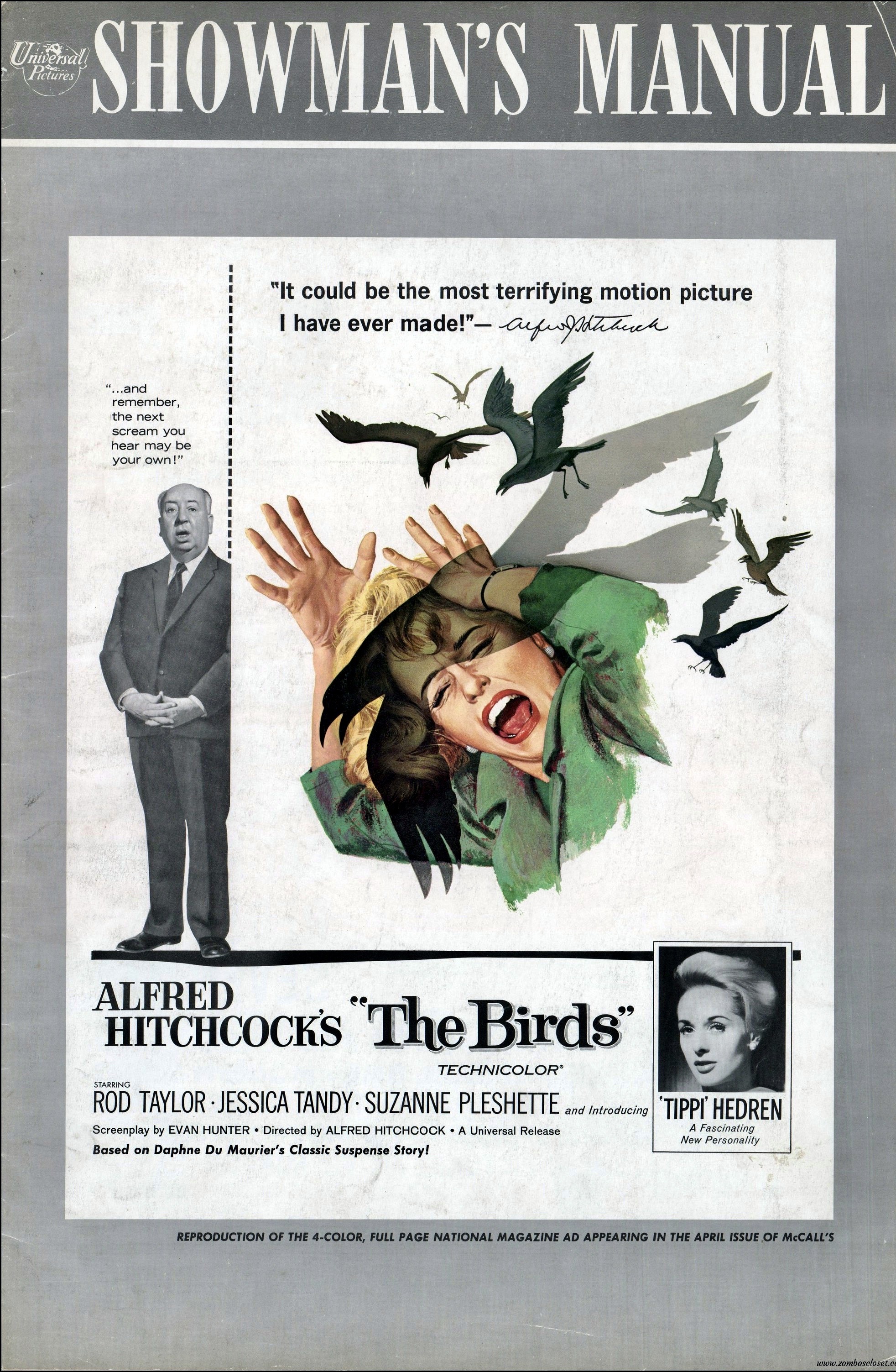
Among the many movie collectibles on the marketplace, pressbooks were studio publicity tools that were created for the theatre exhibitors. Though rarely seen by the public except by film collectors, these specialized publications were chock full of alternate poster art for their specific film as well as behind-the-scenes stories on the production, cast and crew. Best of all were the promotional tips for theatre managers on how to pack their theatres with excited fans. Some of these tips could probably get you arrested and sometimes you had to wonder if the pressbook writers were drunk or just testing the gullibility of the exhibitors.
Continue reading