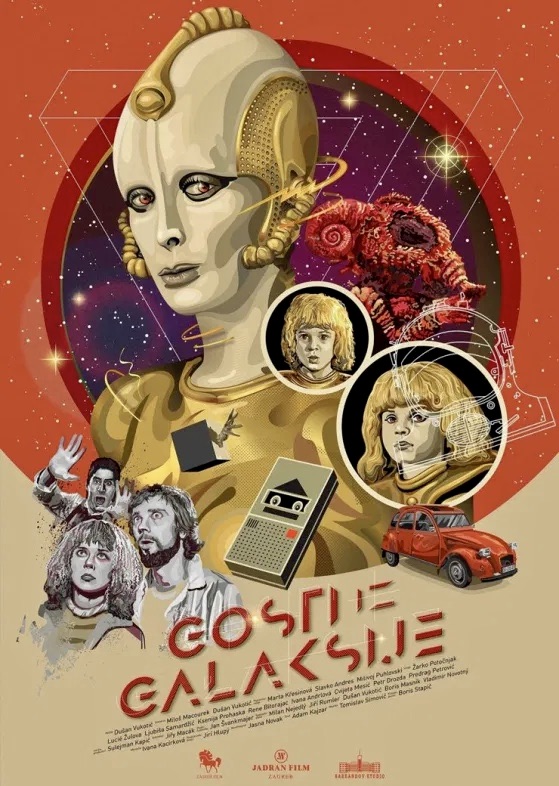
I always welcome the opportunity to learn new words and I discovered one today from an unlikely source – Visitors from the Arkana Galaxy (1981), a science fiction fantasy from Yugoslavia. In the movie, an aspiring writer questions a psychiatrist about the possibility of fictional characters from a story becoming real creations through the power of thought. The psychiatrist calls it Tellurgy – a non-existence word – but Tulpa is a noun that has the same meaning and refers to a being or object that is created in the imagination by visualization techniques. There have certainly been other movies to explore this phenomenon – Forbidden Planet (1956), Stranger Than Fiction (2006), Ruby Sparks (2019) – but Visitors of the Arkana Galaxy takes the concept in unexpected directions, employing genre parody, surrealism and a healthy dose of black comedy.
Continue readingTag Archives: Yugoslavian cinema
Seize the Day
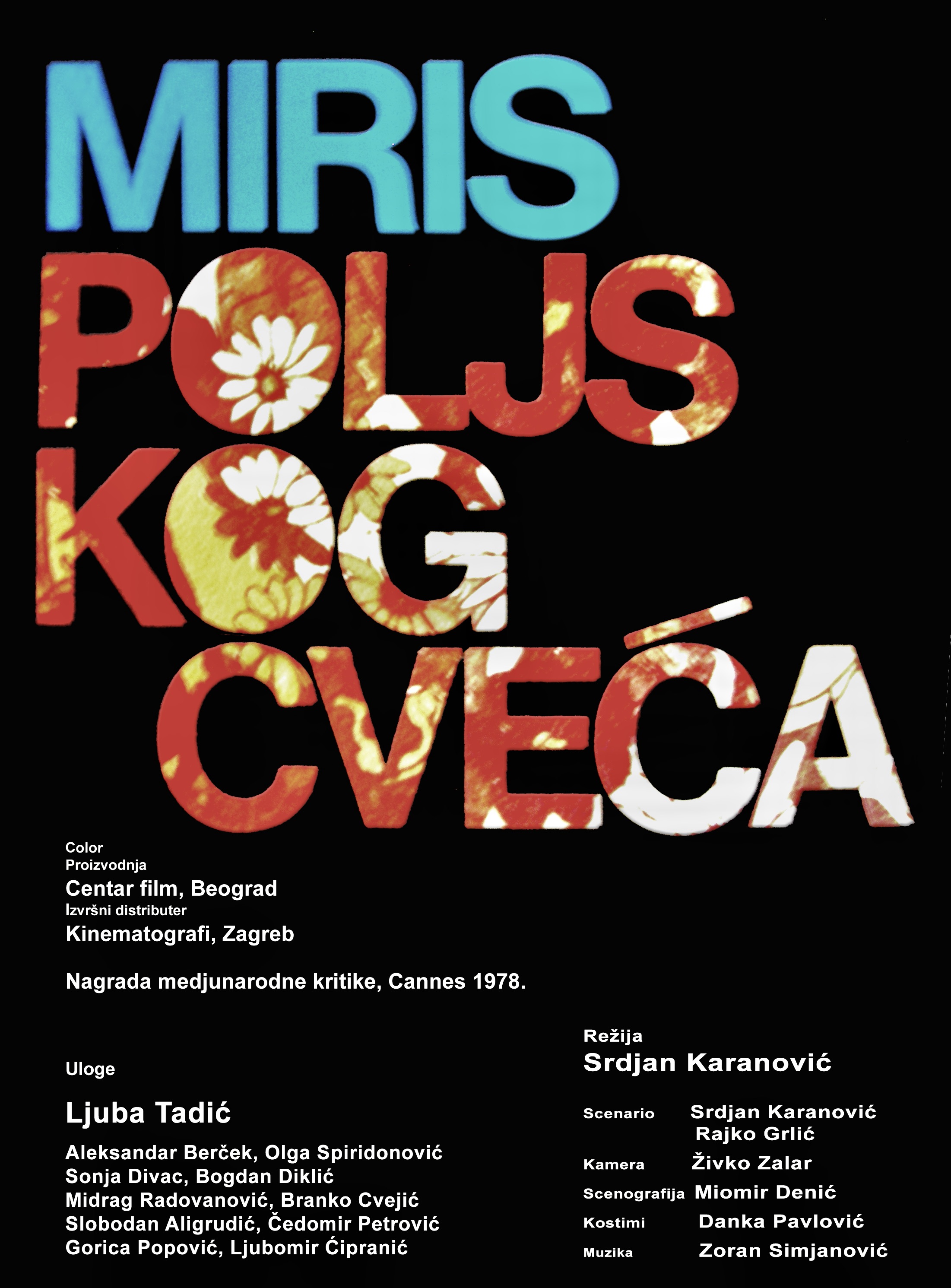
Have you ever felt like you were not leading the life you imagined for yourself or worse – you had achieved success in your field but felt as if everything had become a boring, mechanical routine and you were trapped? This is the existential dilemma that is facing Ivan Vasiljevic (Ljuba Tadic), a famous theater actor, who is currently preparing for a production of Oscar Wilde’s An Ideal Husband. The day before the play’s premiere, Ivan walks out during the rehearsal, refusing to return, and decides to abandon everything, including his wife. He joins his friend Jeca Smrda (Nemanja Zivic) aboard a rundown barge and settles into a life of leisure with no responsibilities as they drift along the shore of the Danube. While Ivan’s nonconformist rebellion seems to mirror the behavior of free-spirited characters in American films like Murray (Jason Robards Jr.) in A Thousand Clowns (1965) or the poet Samson (Sean Connery) in A Fine Madness (1966), his journey, as depicted in Miris Poljskog Cveca (English title: The Fragrance of Wild Flowers, 1977), becomes a wry satire and meditation on one man’s life in Yugoslavia under a Socialist regime. But the film is not a political critique and opts instead for an offbeat character study.
Continue readingThe Feather Gatherers
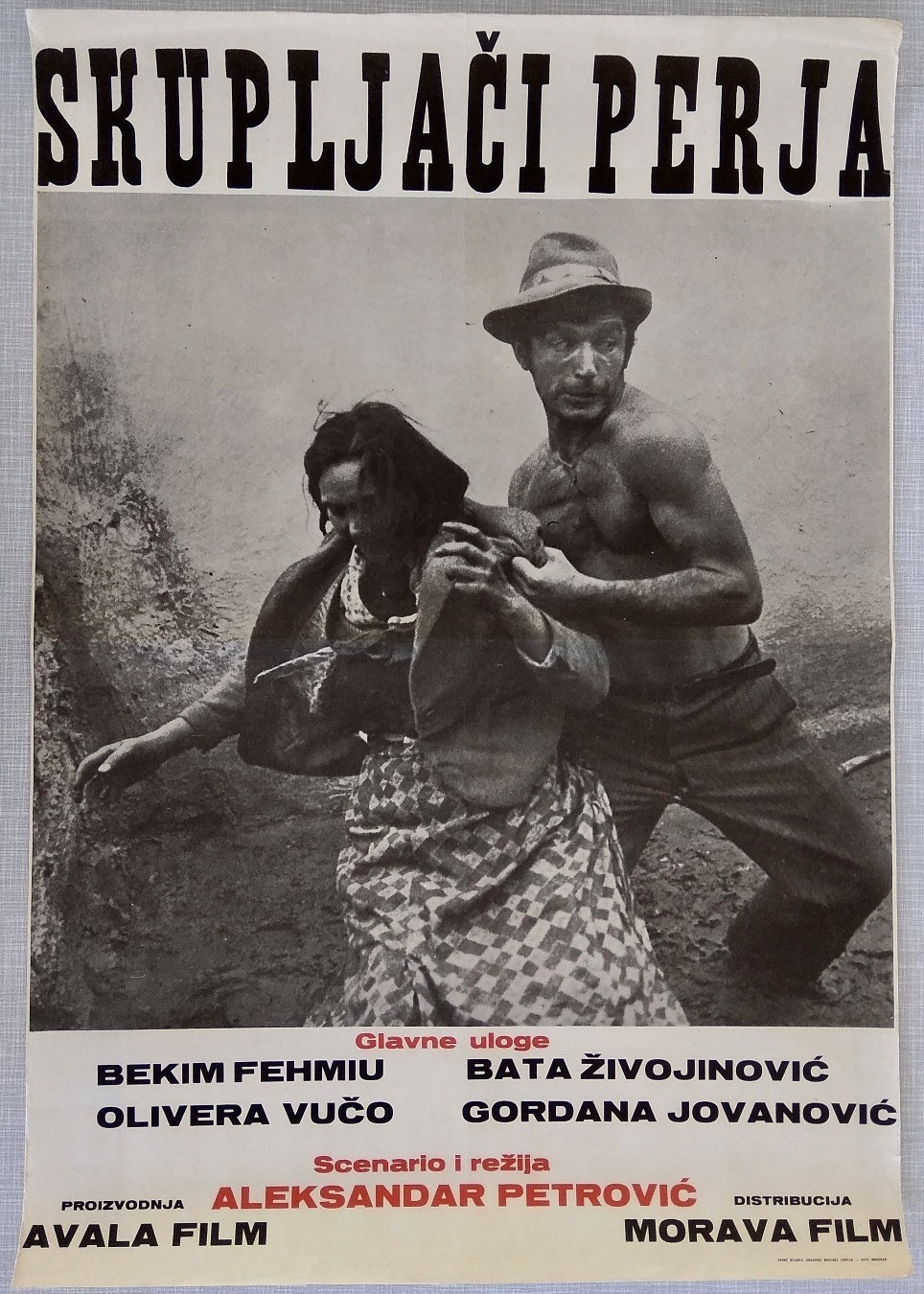
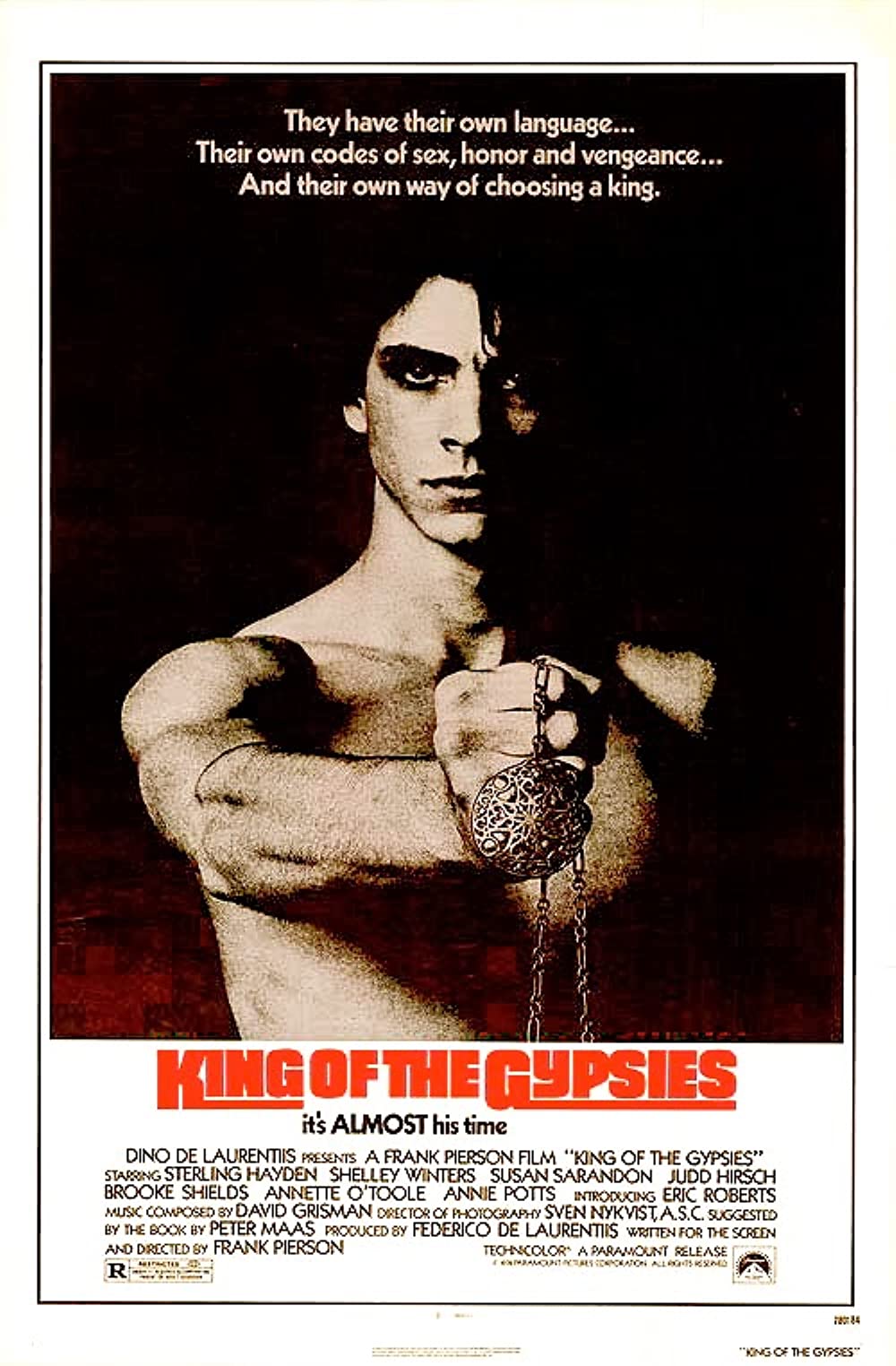
There have been hardly any films about gypsies and their culture depicted in Hollywood’s golden age unless they were background figures (The Wolf Man, 1941) or treated in a broad, theatrical manner in comedies (The Bohemian Girl, 1936) or costume dramas (Hot Blood, 1956). King of the Gypsies (1978), based on the Peter Maas novel and featuring Eric Roberts in his film debut, was an attempt to offer an insider look at this often demonized group but seemed more like an unintentional parody than a serious drama. It wasn’t until filmmakers outside the U.S. began to focus on gypsy culture that a number of influential movies on the subject began to appear later in the 20th century such as Aleksandar Petrovic’s Skupljaci Perja (1967), which was released in the U.S. as I Even Met Happy Gypsies.
Continue readingDusan Makavejev for Beginners
How to describe this blast of creative anarchy from 1965? Fascinating and engaging on so many levels, Man is Not a Bird (aka Covek nije tica, 1965) could be seen as a political parable or a social satire or an offbeat romantic drama or an attempt to merge documentary and fiction in some new form of Eastern European neorealism. Continue reading