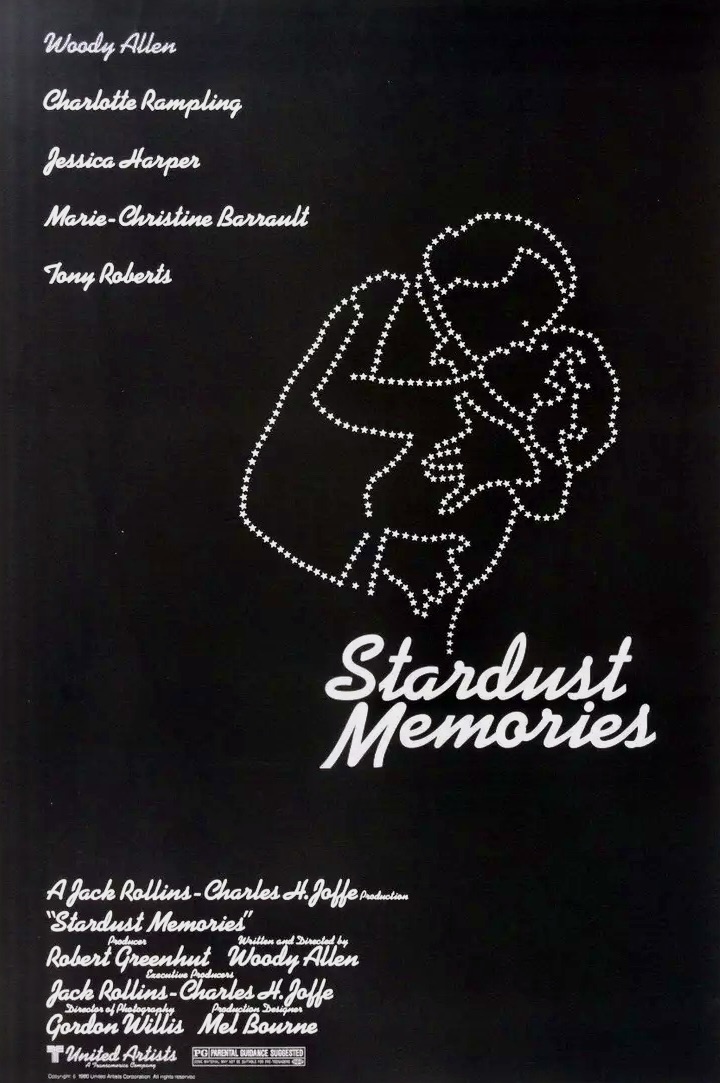
After directing more than fifty feature films including the three-part New York Stories (1989) with contributions from Francis Ford Coppola and Martin Scorsese and the re-edited/re-dubbed version of a Japanese spy thriller retitled, What’s Up, Tiger Lily? (1966), Woody Allen has one of the most impressive filmographies of any living director in Hollywood. Regardless of what you think about him as a person due to the controversy that surrounded his marriage to adopted stepdaughter Soon-Yi Previn, one can’t deny all of the critical acclaim he has amassed over the years, which includes 24 Oscar nominations, three of which won the Academy Award for Best Screenplay (Annie Hall, Hannah and Her Sisters and Midnight in Paris). Not all of his films have been box office hits and some have been minor efforts or polarizing like September (1987) or Deconstructing Harry (1997), but the true acid test for any fan or critic who loves Woody Allen movies is Stardust Memories (1980), his most misunderstood and generally maligned tenth feature about the downside of being famous.
Continue readingTag Archives: Woody Allen
Art Direction by Antonio Gaudi

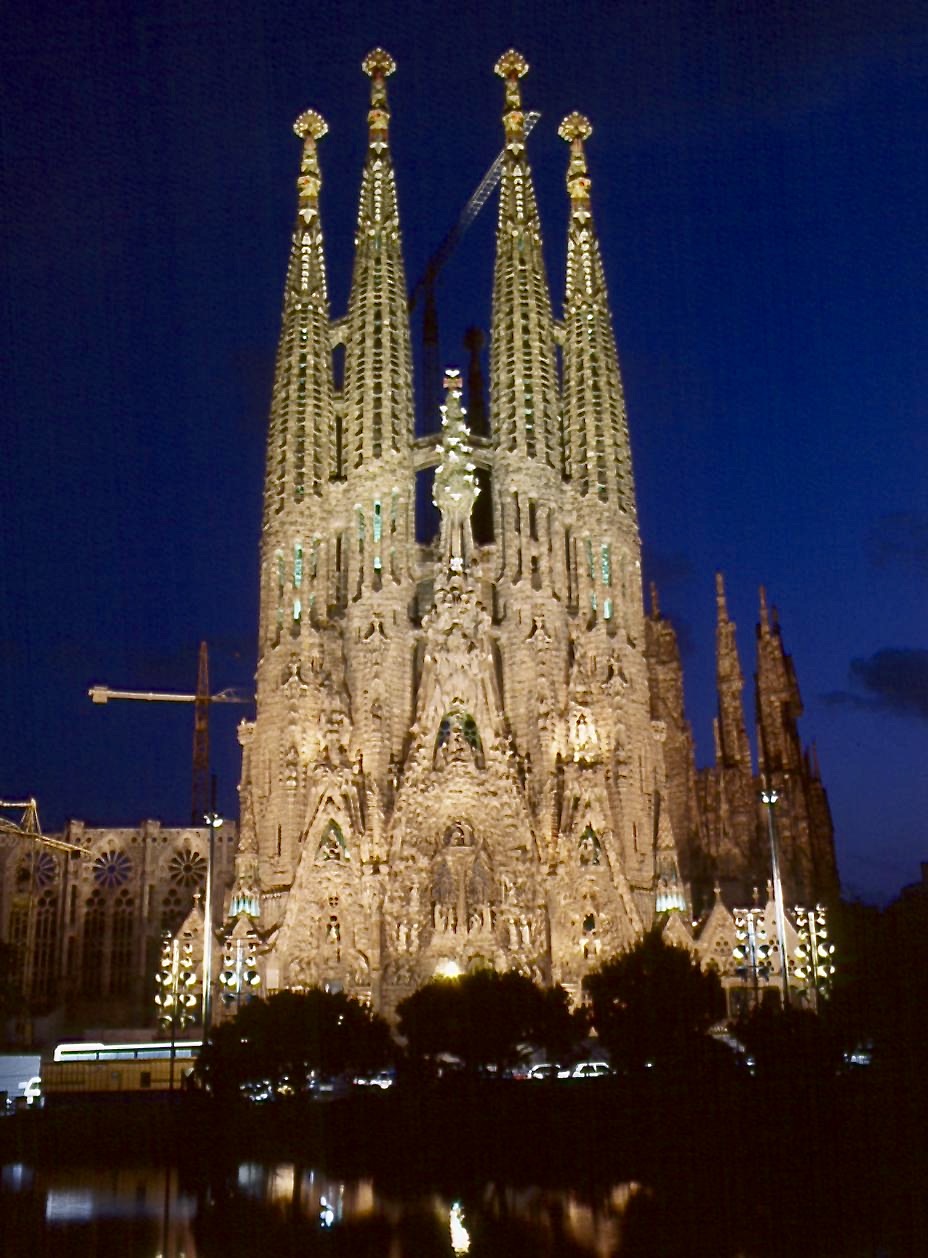
Anyone who has seen a few movies filmed in Barcelona, Spain, has undoubtedly caught a glimpse or maybe even a close-up of one of the architectural wonders created by Antoni (aka Antonio) Gaudi or one of his contemporaries such as Lluis Domenech I Montaner or Josep Puig I Cadafalch in the “Modernisme” movement of 1888-1911. This brief period resulted in awe-inspiring buildings and structures with designs based on organic forms or taken directly from nature – beehives, mushrooms, stalactites – that broke away from conventional design and accented curves and rich ornamentation (broken pieces of colorful ceramic tile worked into wall mosaics). This unique architectural style is an art director’s dream and a natural for the screen, which is why it has been the co-star in countless movies filmed in Barcelona such as Susan Seidelman’s Gaudi Afternoon (2001) and L’Auberge espagnole (2002), in which Gaudi’s still-in-progress La Sagrada Familia (it was started in 1883) is prominently featured.
Continue readingLost in Manhattan

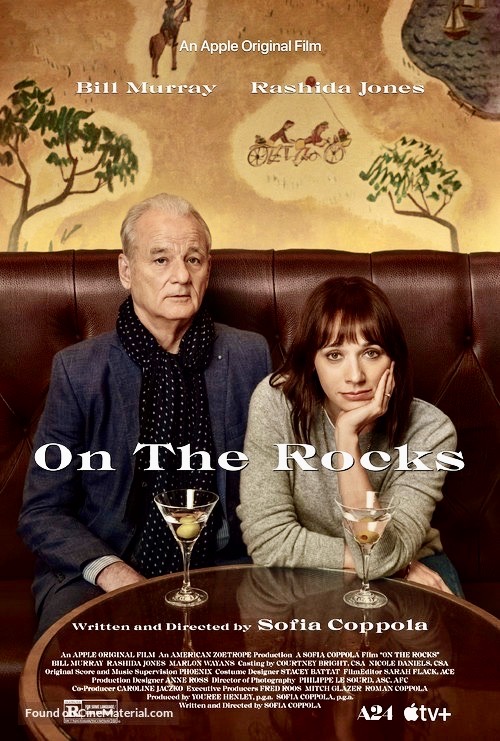
Why do so many marriages end in divorce? It usually comes down to a common problem – a lack of communication. After the honeymoon stage, a pattern develops once the couple has children and problems develop from the combined pressures of child-rearing and career demands. Sofia Coppola explores this common quandary in her new film, On the Rocks (2020). Laura (Rashida Jones) is trying to resume her professional career as a writer but her daily responsibilities with two young daughters demands a juggling act that allows little time for creativity. Her husband Dean (Marlon Wayans) has recently launched a start-up operation that is requiring more time away from home with office meetings and business trips. As a result, Laura begins to feel an emotional and physical estrangement from Dean. Little signs in his behavior suggest his affections might lie elsewhere. Is he having an affair? Continue reading
Woody Allen’s Comedy Experiment
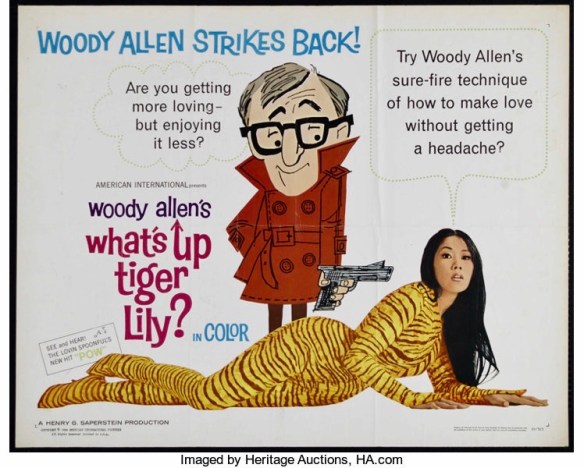
By today’s standards, it doesn’t seem like such a novel movie concept — take a low-budget film, re-dub the soundtrack adding new dialogue, music and sound effects, and create an entirely new experience. You can trace pioneers in this technique back to the syndicated TV series Fractured Flickers hosted by Hans Conried in the early sixties and maybe even before that (Fractured Flickers took silent movies and gave them new soundtracks with voices, sound effects and music). Certainly one of the more famous practitioners of this idea is Woody Allen, who explored the possibilities of redubbing found footage – in his case, a Japanese spy movie – with What’s Up, Tiger Lily? (1966). Continue reading