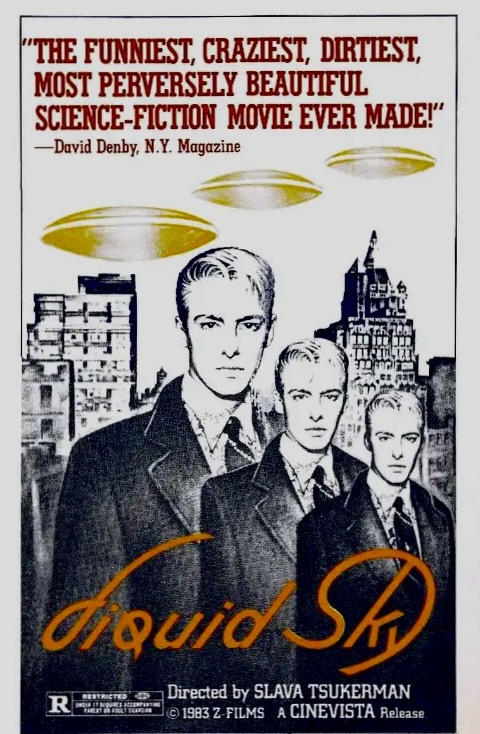
Is it possible for a struggling independent film director to make a science fiction film today for less than a million dollars? It doesn’t seem likely but it could be possible if the director is driven, highly creative and blessed with a team of uniquely gifted collaborators. That was certainly the case for Russian émigré Slava Tsukerman in 1982 when he embarked on his American feature film debut, Liquid Sky. Made for approximately $500,000 and produced during a 28-day shooting schedule, the film became an overnight sensation, winning special awards at film festivals around the globe and attracting adventurous filmgoers to a long run at New York City midnight movie screenings.
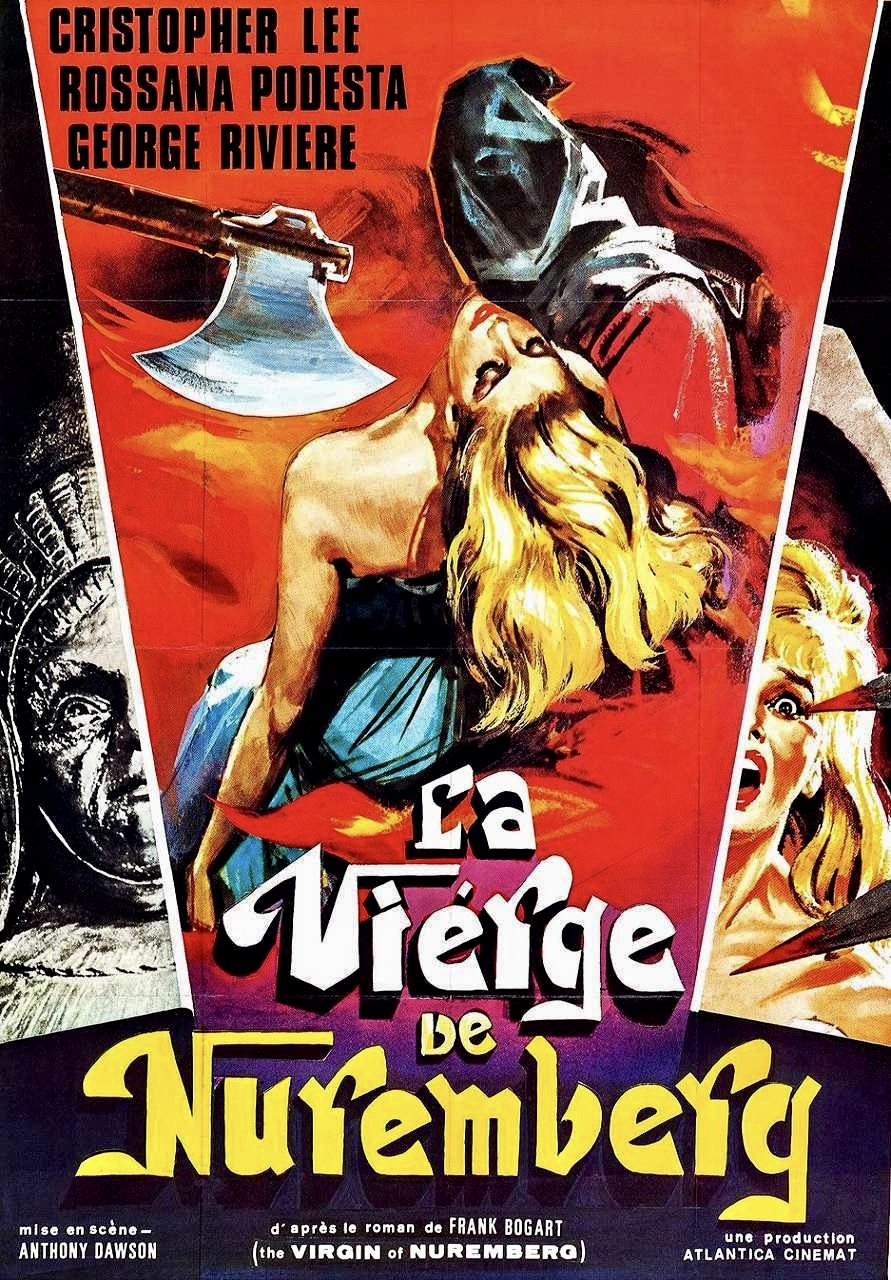
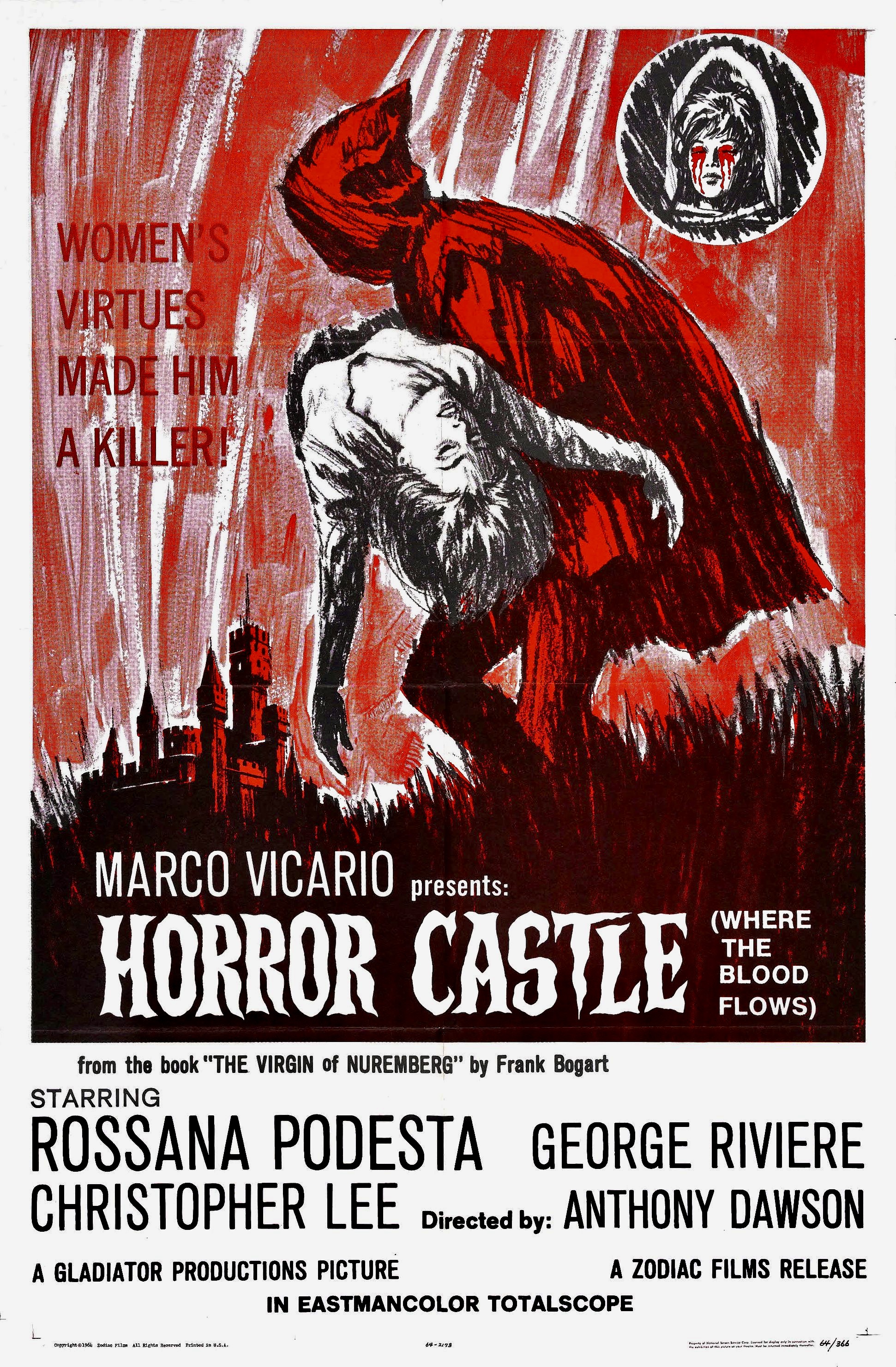
The Italian film poster for THE VIRGIN OF NUREMBERG which is also known as HORROR CASTLE (1963), starring Rossana Podesta.
Mary, the wife of German aristocrat Max Hunter, is visiting her husband’s ancestral castle for the first time and is completely unsettled by the mansion’s violent past; 300 years earlier it was the home of “The Punisher”, a sadistic fiend who tortured and killed women deemed guilty of adultery. One room of the mansion even serves as a shrine to the past with its museum-like displays of the family implements of torture. The castle’s domestic staff is no less intimidating with Erich, a disfigured servant, and Marta, a grim-faced housekeeper with a flair for morbid stories, in constant attendance. Left alone by her husband while he conducts business away from home, Mary tries to suppress her mounting terror as reports of a missing servant girl lead to rumors of “The Punisher” and his return from the grave.
The opening sequence of the Italian film La Vergine di Norimberga (U.S. release title, Horror Castle (1963) could be a primer for Gothic horror films with every cliche of the genre on display. A dark, stormy night. A creepy castle. A frightened woman in a nightgown exploring the darkened corridors by candlelight. Where it departs from the predictable formula is in the dramatic payoff – the gruesome discovery of a mutilated woman locked inside an iron maiden, “The Virgin of Nuremberg” (the original Italian title of the film).
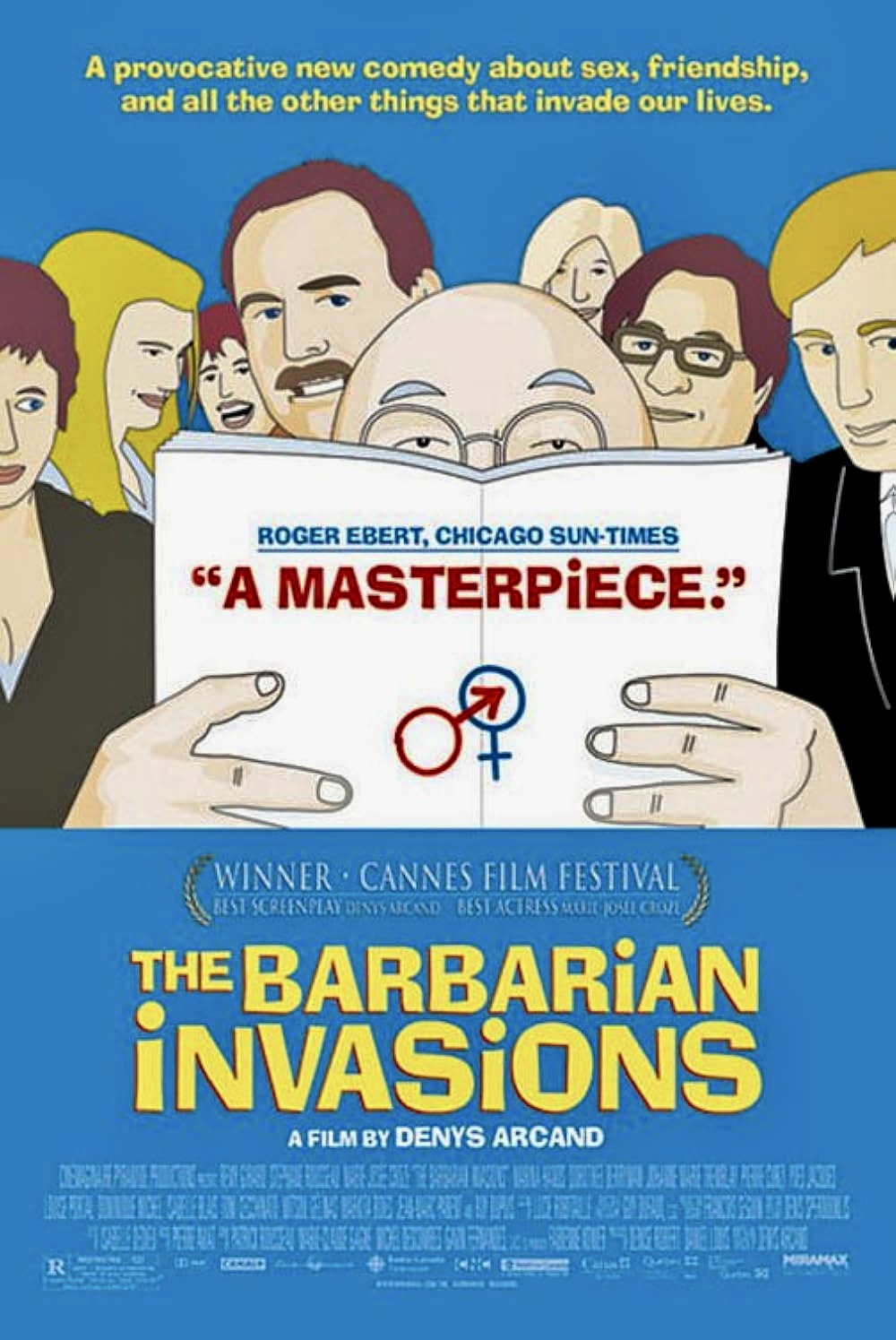
Canadian writer/director Denys Arcand burst upon the international film world in 1986 with his film The Decline of the American Empire, which won the FIPRESCI Prize at Cannes and the Best Foreign Language Film from the New York Film Critics Circle plus it received an Oscar nomination for Best Foreign Language Film (it lost to The Assault, a Nazi-themed WW2 drama from the Netherlands). A witty but cynical talkfest about a gathering of academics obsessed with sex, Decline was often compared by critics at the time to 1983’s The Big Chill, except it was a “feel bad” version of it. More critical acclaim and awards followed for Arcand’s follow-up feature Jesus of Montreal (1989) and his later work, The Barbarian Invasions (2003), which is often regarded as his finest achievement.
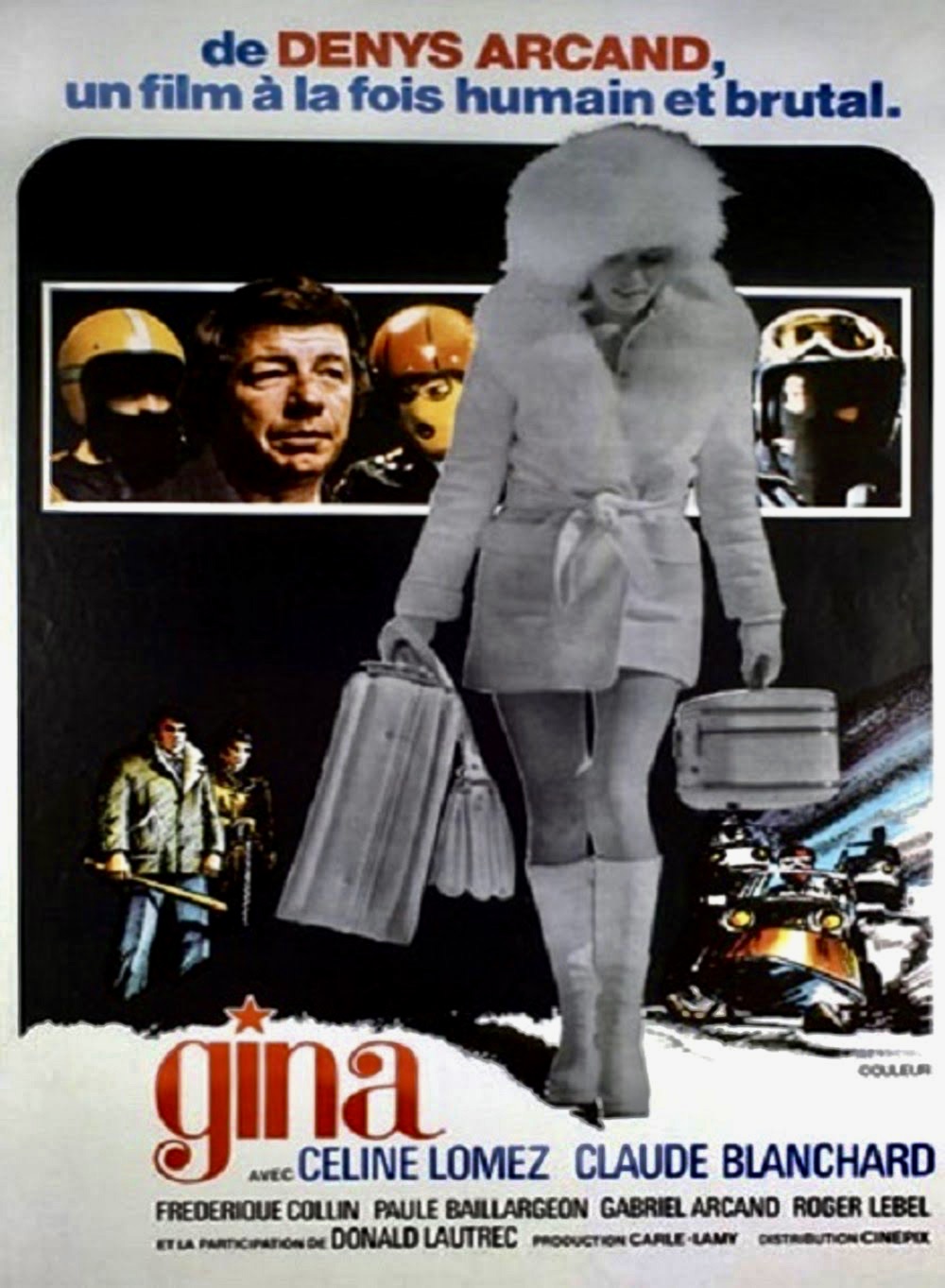
What most non-Canadians didn’t know at the time was that Arcand had made a name for himself making award-winning documentaries for the National Film Board of Canada and then dabbled in the B-movie genre with an unofficial trilogy of crime dramas: La Maudite Galette (English title: Dirty Money, 1972), Rejeanne Padovani (1973) and Gina (1975). These low budget efforts, all of which were shot in Quebec in the French language, helped Arcand hone his skills as a director but were decidedly down and dirty efforts compared to his more intellectual art-house fare in the 1980s yet there is nothing typical or cliched about Arcand’s crime trilogy. Dirty Money depicts a murder scheme for money gone wrong and looks like a precursor to The Coen Brothers’ Blood Simple (1984). Rejeanne Padovani is a sordid tale of political corruption, bribery and murder that was seen as a barely disguised critique of the Canadian government at the time. And Gina, probably my favorite of the three, is a strangely effective hybrid of softcore melodrama and revenge thriller crossed with a bleak portrait of working class life in the provinces – in this case, the textile mill town of Louiseville, Quebec during a particularly frigid winter.
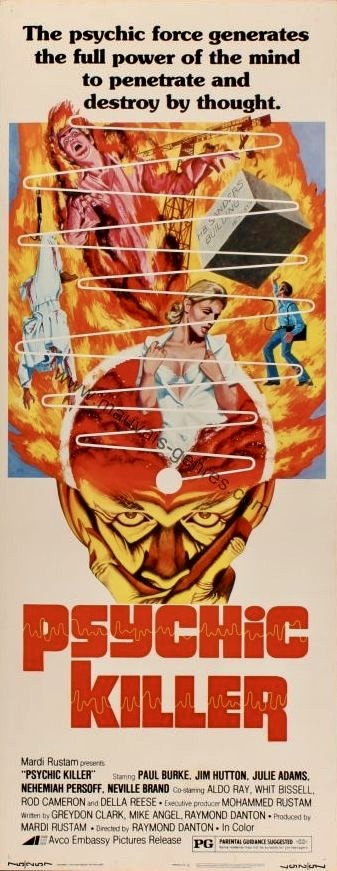
You may have heard of the term Kirlian. It is usually associated with photography and refers to a process where an image is created by applying a high-frequency electric field to a living object. The result captures a pattern of luminescence which is recorded on photographic film and represents a life force or energy field surrounding the living object. The concept has never been embraced by the scientific community but became popular in parapsychology and paranormal research in the mid-fifties. It even inspired a low-budget indie art house mystery called The Kirlian Witness (1978), directed by Jonathan Sarno, about a murder that is solved by a houseplant that witnessed the crime. Yet, even before this obscure, rarely seen feature, the concept of Kirlian energy provided an explanation for the behavior of the insane protagonist of Psychic Killer (1975 aka The Kirlian Force aka The Kirlian Effect), a trashy but consistently entertaining horror thriller featuring a cast of familiar Hollywood character actors and Jim Hutton as the unlikely title character in his final theatrical feature. If you’re looking for an offbeat, non-traditional horror movie for your Halloween viewing, this is a good choice.
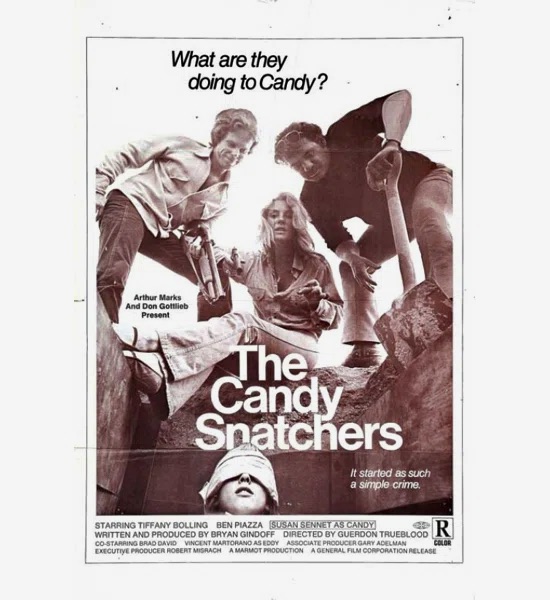
Between 1984 and 1986, WVEU (Channel 69) in Atlanta dropped its VEU affiliate programming and served up a schedule of cartoons, music videos, syndicated series and low-budget feature films. Among the latter were such Crown International drive-in faves as The Stepmother (1972) and Trip with the Teacher (1975) starring Zalman King in his most wacked-out performance (and probably the reason that he gave up acting for producing). Other ‘can you believe this?’ oddities that turned up were The Baby (1973) in which a man-hating mom (Ruth Roman) raises her son to be a gurgling, helpless man-baby and The Psychopath (1975) about a deranged kid’s show host who murdered abusive parents. You never knew what was going to turn up on Channel 69 but for a film buff it was a treasure trove of marginalized cinema. It was here that I first saw The Candy Snatchers (1973), a film which in many ways is just as misanthropic, sleazy and uncompromising as Wes Craven’s Last House on the Left which came out the following year. It was actually shocking to see this movie play in a late afternoon slot where school kids could easily tune in but the simple truth is that hardly anybody watched Channel 69 making it easy for something like The Candy Snatchers to pass unnoticed by all but a few.
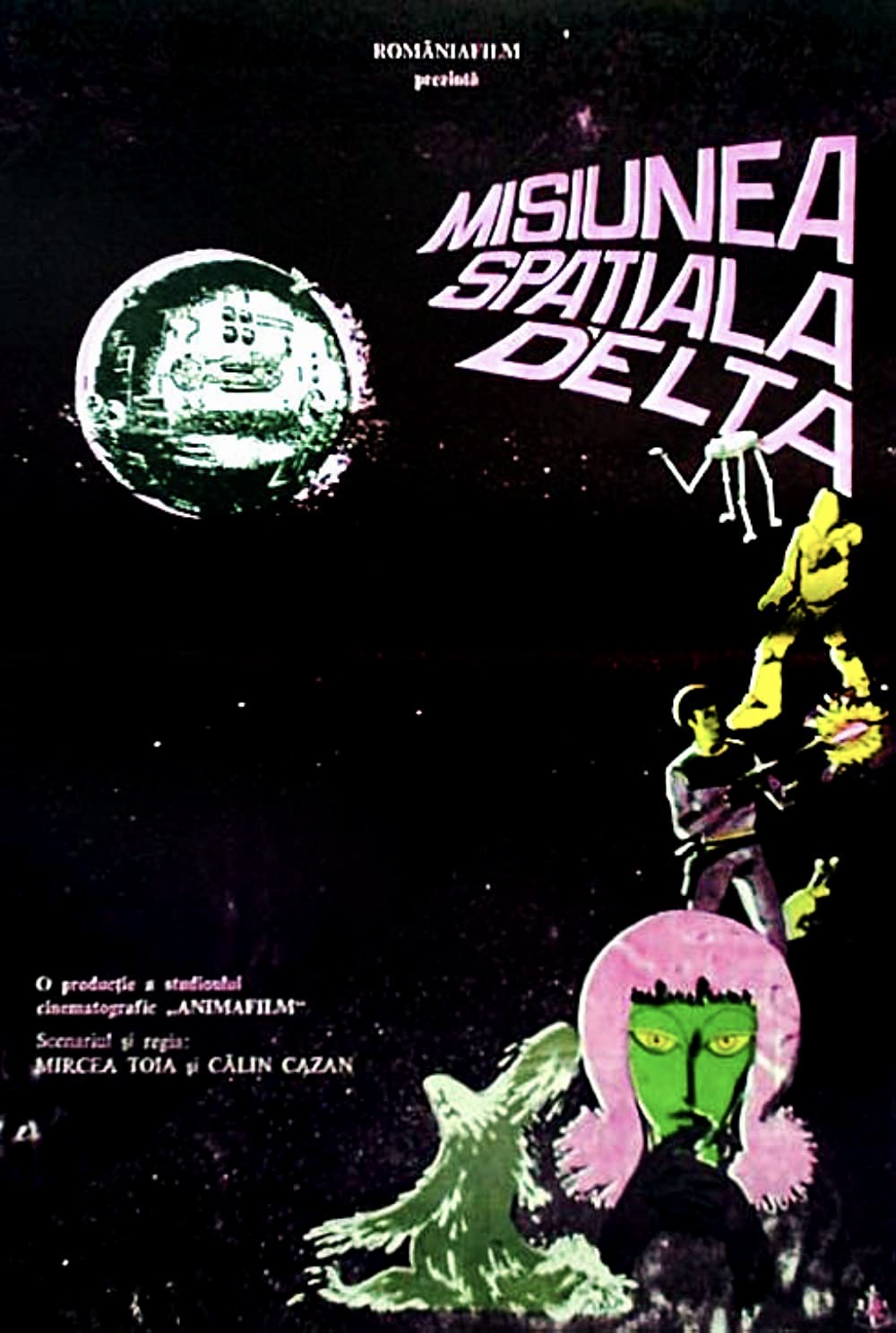
The Romanian film poster for the 1984 animated science fiction fantasy DELTA SPACE MISSION.
In recent years streaming options for entertainment – movies, TV shows, music – have increased and become more commonplace in the average U.S. household but, at the same time, physical media like Blu-rays and DVD continues to prosper among movie lovers and film collectors. Specialty distributors like Severin Films, Vinegar Syndrome and Kino Lorber are releasing new acquisitions at an astonishing rate and obscure genre films and forgotten art house fare are suddenly available on Blu-ray in presentations that look better now than they did during their original theatrical release such as The Five Days (1973, Severin), cult director Dario Argento’s rare non-horror period piece, Ulli Lommell’s witchcraft thriller The Devonsville Terror (1983, Vinegar Syndrome) and Francois Truffaut’s Mississippi Mermaid (1969, Kino Lorber). Deaf Crocodile, a distributor based in Los Angeles, stands apart from its competitors for restoring and releasing movies from around the world that many film buffs never even knew existed. Among their recent releases are Zerograd (1988), an absurdist Soviet satire, The Unknown Man of Shandigor (1967) by Swiss filmmaker Jean-Louis Roy and Solomon King, a lost Blaxploitation indie from 1974. The real surprise for me, however, is Misiunea Spatiala Delta (English title: Delta Space Mission), an animated science fiction fantasy from Romania that was released in 1984.
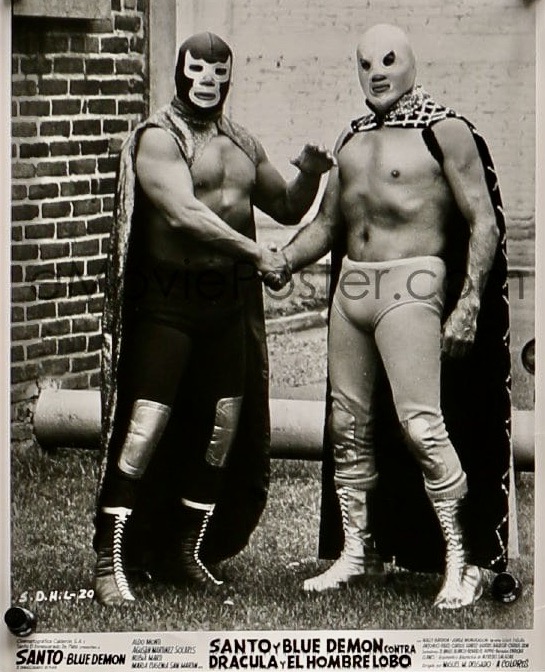
For American moviegoers weaned on comic books and superheroes like Superman, Batman and The Hulk, the names El Santo and Blue Demon might not be as familiar. But in Mexico, they are major cultural icons. They were the main attractions in a popular film genre known as the lucho libre (wrestling hero movies) but had first established themselves as bona-fide professional wrestlers. In real life, Santo and Blue Demon were often rivals in the ring but they teamed up on the screen nine times and two of their most representative features together are Santo y Blue Demon vs. Dracula y el Hombre Lobo (Santo and Blue Demon vs. Dracula and the Wolf Man, 1973) and Santo y Blue Demon contra el Doctor Frankenstein (Santo and Blue Demon vs. Dr. Frankenstein, 1974), which are good entry points for beginners.


 Cinema Sojourns