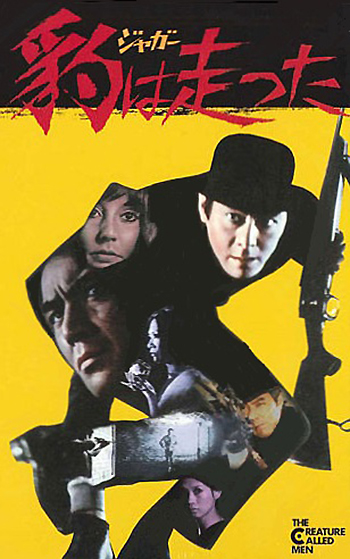
The film poster for JAGA WA HASHITTA (1970), a Japanese film that is also known as THE CREATURE CALLED MAN.
In the late 1960s and early 1970s Toho Studios began toying with some of its genre offerings by slipping some social or political references into the narratives while adding additional cinematic influences. A prime example of this is the 1970 Japanese film Jaga Wa Hashitta (English title: The Creature Called Man), an offbeat actioner about rival hit men with obvious references to the James Bond spy series as well as American crime thrillers.
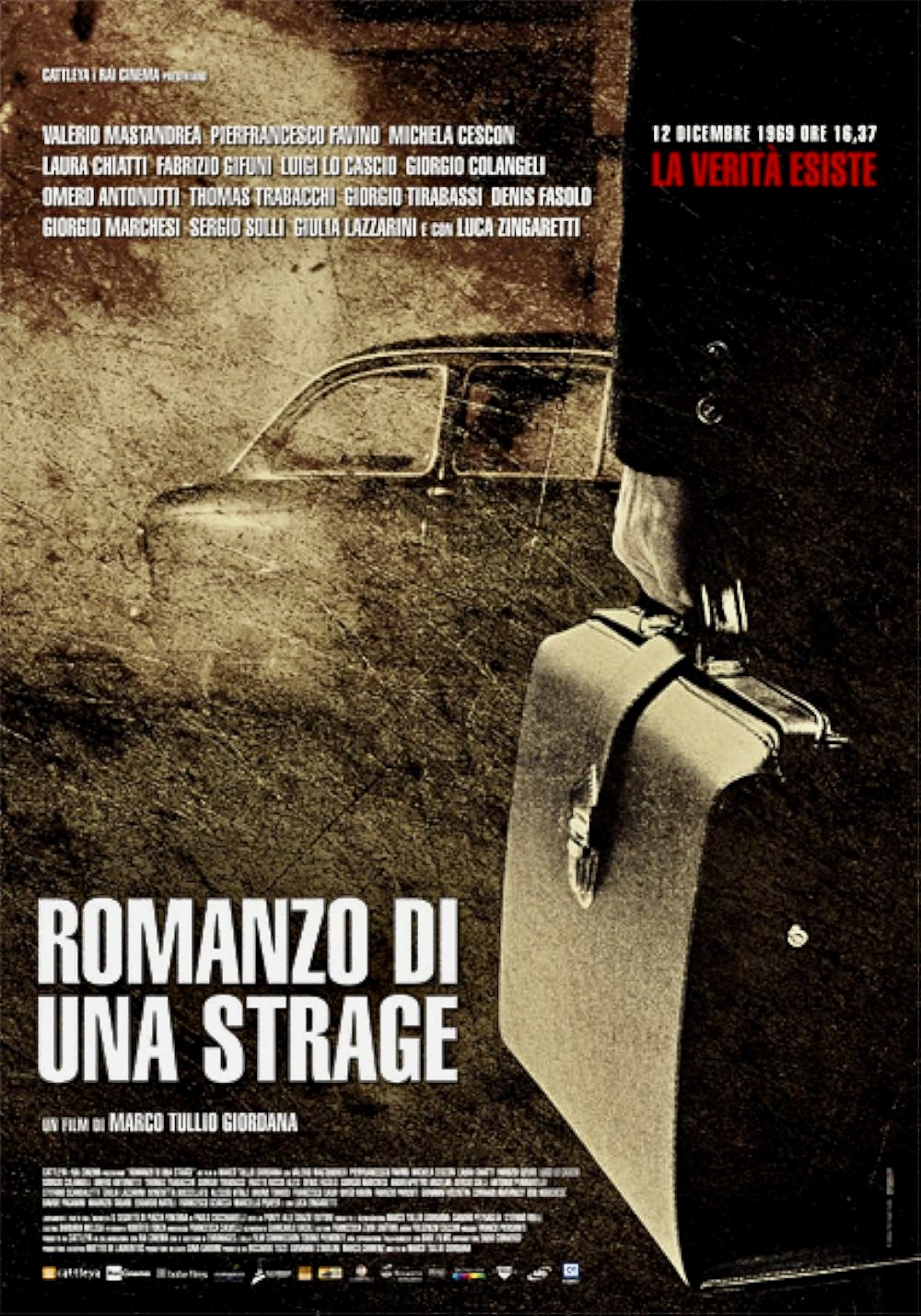
The Italian film poster for PIAZZA FONTANA: THE ITALIAN CONSPIRACY (2012).
On December 12, 1969, a bomb exploded in the Banca Nazionale dell’Agricoltura (National Agricultural Bank) in Piazza Fontana, near the Duomo in Milan, Italy. 17 people died from the explosion and more than 84 were injured. Other unexploded bombs were discovered at several places in the city the same day and the attack was obviously the coordinated effort of a terrorist group. More than 80 arrests were made and, at first, the police suspected members of the Anarchists Club. One of them – Giuseppe ‘Pino’ Pinelli – was held for questioning at police headquarters for more than 72 hours. During a break in his interrogation on the fourth floor, he allegedly went to the window for air and fell to his death below. Luigi Calabresi, the police commissioner, had left the room briefly to retrieve a telegram when this occurred, but was told varying accounts of what happened when he returned – most of which stated that Pinelli had committed suicide by leaping to this death. The press and the public were immediately suspicious of this and the investigation became more complicated with other terrorist groups being implicated, most notably the neo-fascist group Ordine Nuovo. The Piazza Fontana bombing resulted in three different trials – one in 1972, one in 1987 and one in 2000 – but no one was ever officially changed and convicted for the crime. The investigations launched countless conspiracy theories and remain a controversial subject even today but it was more than forty years later that a filmmaker would dramatize the events in a movie. That would be celebrated Italian director Marco Tullio Giordana, who released Romanzo di una Strage (English title: Piazza Fontana: The Italian Conspiracy) in 2012.
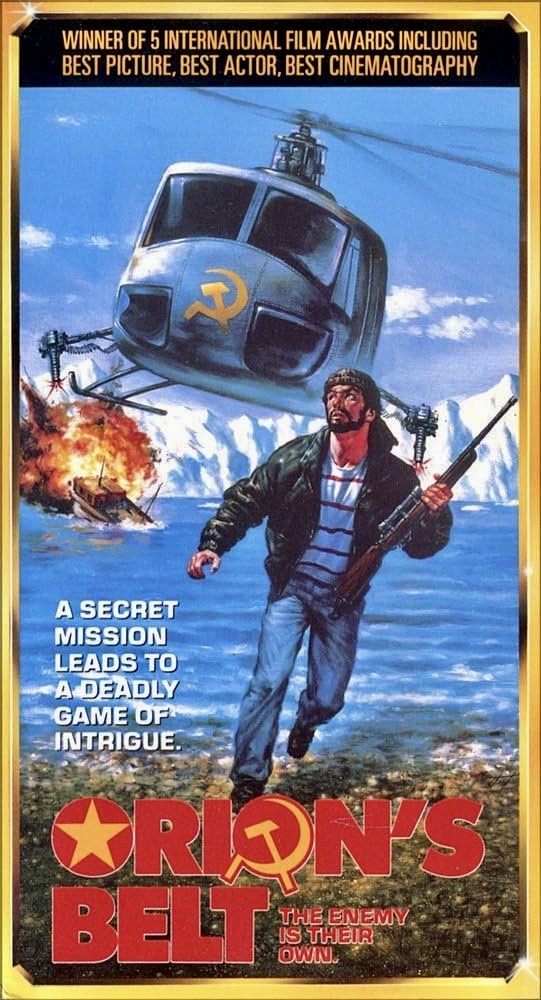
Quick, name your favorite movie from Norway. If nothing immediate comes to mind it is because very few Norwegian films get imported to the U.S. and the few that do are usually art house fare that play to niche audiences in the major cities. Regardless of that, Norway has had a thriving film industry for years and a few filmmakers have developed international reputations such as Morten Tyldum, who was Oscar nominated for Best Director for The Imitation Game (2014) starring Benedict Cumberbatch as the British mathematical genius Alan Turing, and Joachim Trier, whose 2021 movie The Worst Person in the World received Academy Award nominations for Best International Feature Film and Best Original Screenplay. One of the few exceptions to the above is Orions Belte (English title: Orion’s Belt, 1985), which is considered Norway’s first contemporary action thriller and the biggest box office success in its own country for years. It also won critical acclaim and garnered numerous industry awards in Norway even though Orion’s Belt is essentially a B-movie thriller. Still, the lean, stripped-down narrative, based on Jon Michelet’s 1977 novel (the screenplay is by Richard Harris), and Hollywood-style production values transformed this audience-pleasing genre exercise into something much more intriguing and thought-provoking.
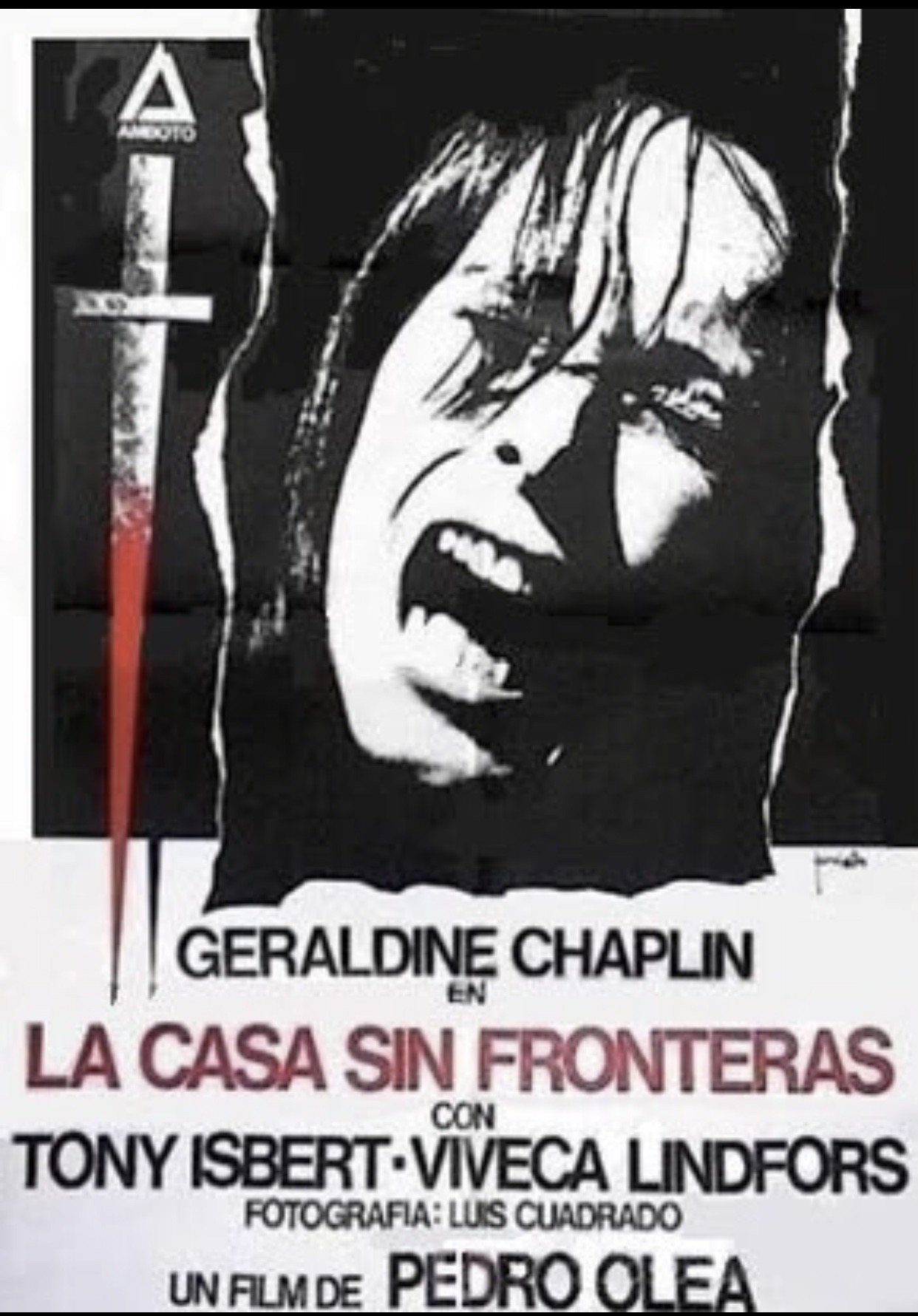
Conspiracy thrillers have been a popular subgenre in movies ever since the silent era with such memorable entries as The Ace of Hearts (1921) in which Lon Chaney stars as a member of a secret society that gets rid of people deemed unfit to live among them. Alfred Hitchcock’s The 39 Steps (1935) is an equally menacing early talkie classic and The Manchurian Candidate (1962), about a brainwashed ex-military hero being controlled by political subversives, is probably the best-known representative of all. However, it wasn’t until the 1970s that conspiracy thrillers reached an all-time high in popularity as witnessed by such iconic Hollywood releases as The Parallax View (1974), The Conversation (1974), Three Days of the Condor (1975), Capricorn One (1977) and The Boys from Brazil (1978). Other countries contributed their own variations on the genre like Spain, which released La Casa sin Fronteras (English title: The House Without Frontiers), a deeply unsettling effort from director Pedro Olea, which was made while General Franco was still in power and which prefigures the paranoid scenarios made popular by The Parallax View and others.

 Cinema Sojourns