
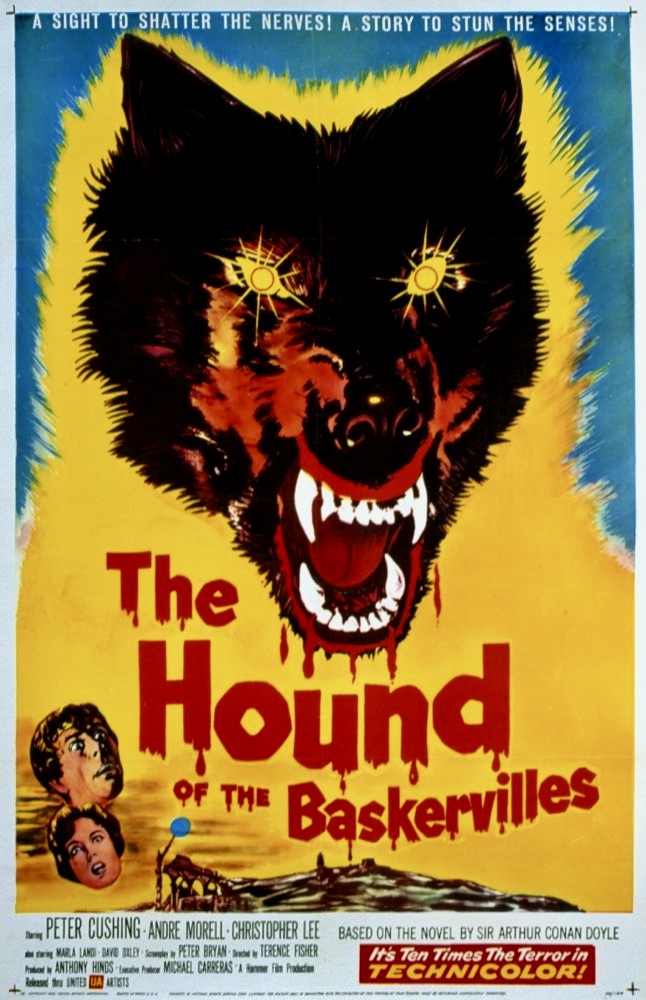
Howling on the Moors

Almost thirteen years after Basil Rathbone had filmed his final screen appearance as Sherlock Holmes, Hammer Studios decided to resurrect Sir Arthur Conan Doyle’s internationally famous detective in a Technicolor remake of The Hound of the Baskervilles (1959) which had been previously filmed with Rathbone in 1939. The eerie tale, which opens in a flashback sequence to an earlier time, depicts the origins of the Baskerville curse: the decadent Sir Hugo Baskerville brutally murders a servant girl who flees a group orgy at his mansion. Immediately following her death, however, Baskerville hears a strange braying on the moors before encountering an immense spectral hound which avenges the girl’s death. We then flash forward to the present, where Sherlock Holmes and his partner, Dr. Watson, are investigating the mysterious recent death of Sir Charles Baskerville.

Continue reading
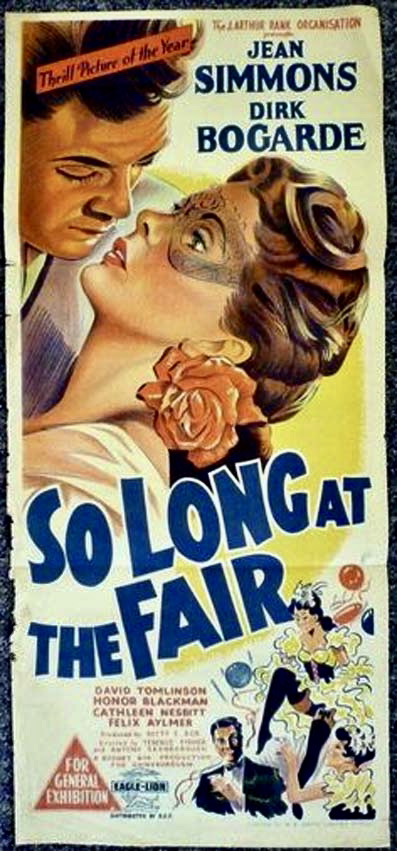
Vanishing Act

People who disappear without a trace always make the most compelling cold case mysteries, mainly because they baffle even the most intrepid investigators. The famous urban legend of “The Vanishing Lady” also known as “The Vanishing Hotel Room” may very well have been based on a real person but the true facts are lost to time. No matter. The strange tale, which first emerged in the early 1900s, has been appropriated by various writers and filmmakers in some form over the years such as the 1913 novel The End of Her Honeymoon by Marie Belloc-Lowndes (author of The Lodger), Sir Basil Thomson’s 1925 novel The Vanishing of Mrs. Fraser and the 1932 film The Midnight Warning. My favorite variation on this theme is the Victorian era mystery, So Long at the Fair (1950), produced by the British film studio, Gainsborough Pictures. The title comes from the English folk tune “Oh Dear! What Can the Matter Be?,” which contains the line, “Johnny’s so long at the fair.”

Continue reading