
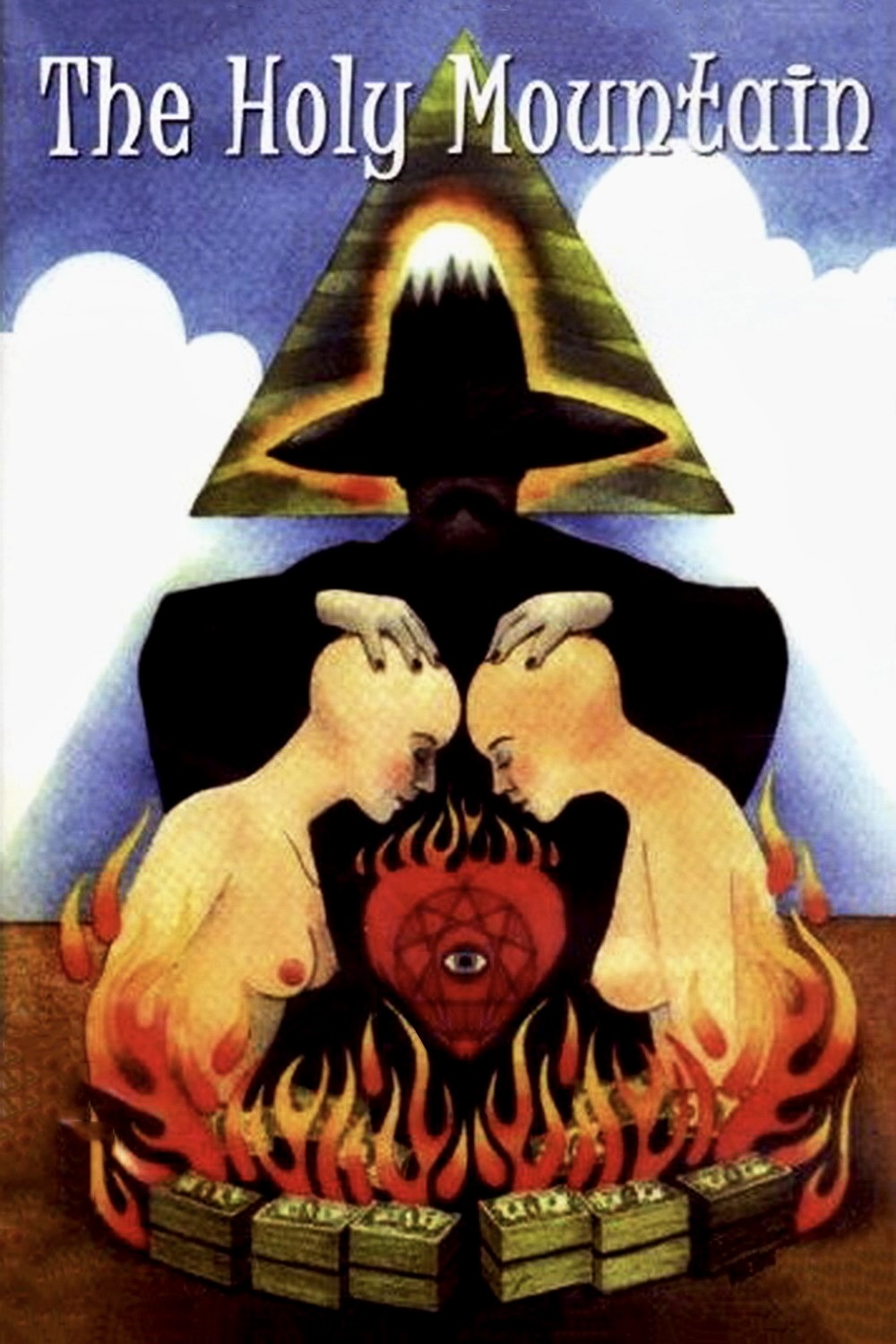
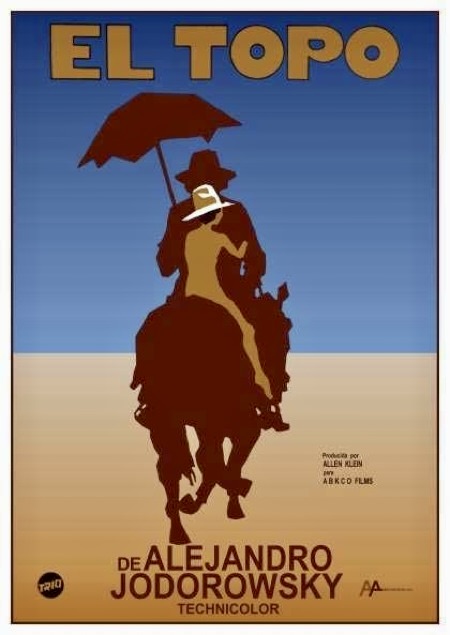
Remember when midnight movies were popular with young moviegoers in the 18 to 25 age range in the early seventies? It was the Elgin theater in New York City which helped launch this cultural phenomenon with late night screenings of offbeat and unusual films. Some of the early discoveries which went on to become bona fide cult hits were Night of the Living Dead (1968), Harold and Maude (1971), Pink Flamingos (1972), The Harder They Come (1972), The Rocky Horror Picture Show (1975) and Eraserhead (1977)? Before any of these movies became perennial fan favorites, however, Alejandro Jodorowsky’s El Topo (1970) was the first one to fly its freak flag and is generally acknowledged as the first midnight movie to prove there was a younger generation hungry for alternative viewing experiences The film, in which a mysterious desert nomad must prove himself against four master gunmen and then rescue a community of disabled people from an evil tyrant, played at the Elgin for almost a year due to an enthusiastic word of mouth campaign. What should have enjoyed the same success as El Topo was Jodorowsky’s follow-up film, The Holy Mountain (1973), but due to a disagreement over ownership rights between the filmmaker and the distributor Allen Klein (manager of The Beatles at the time), it was restricted to playing only New York’s Waverly Theater for a specific period of time and then withdrawn from distribution for almost 34 years. It finally resurfaced in a restored print at Cannes in 2006 and then premiered on DVD in 2007 but its absence on the midnight movie scene in the seventies led many cinephiles to assume that The Holy Mountain was not equal to El Topo. If anything, I think The Holy Mountain is much more audacious, bizarre, provocative and visually dazzling than anything Jodorowsky has made before or since.
 Cinema Sojourns