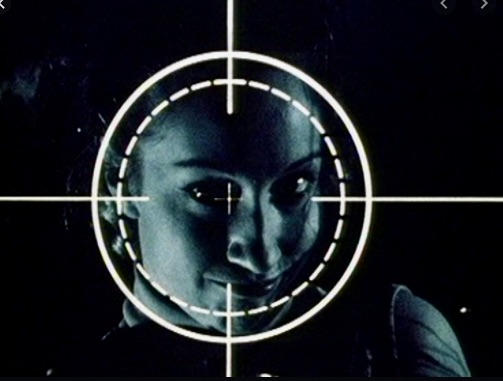
Earthling Wanted as Spokesperson for Extraterrestrials

A rebellious young woman (Jane Hardens) is selected by aliens to be their representative on Earth in the 1972 Australian underground film SHIRLEY THOMPSON VERSUS THE ALIENS.

During the early years of the science fiction film craze of the 1950s most alien visitors were hostile or extremely dangerous as in The Thing from Another World (1951), The War of the Worlds (1953) and Invaders from Mars (1953). There were a few exceptions to this such as the peaceful Klaatu (Michael Rennie) in The Day the Earth Stood Still (1953) and the benign visitors of It Came from Outer Space (1953) but rarely has a science fiction film depicted aliens trying to recruit a human to be the vocal spokesperson for their group. In Shirley Thompson Vesus the Aliens (1972), directed by Jim Sharman (The Rocky Horror Picture Show), the title character is a disaffected young woman still living at home in the dreary suburbs with her parents and young sister and clearly not the sort of person to represent any group due to her antagonistic, rebellious nature. Nevertheless, Shirley (Jane Hardens) is chosen by extraterrestrials to warn earthlings to stop all wars or they will destroy the planet. And do you think anyone pays attention to her?

Continue reading
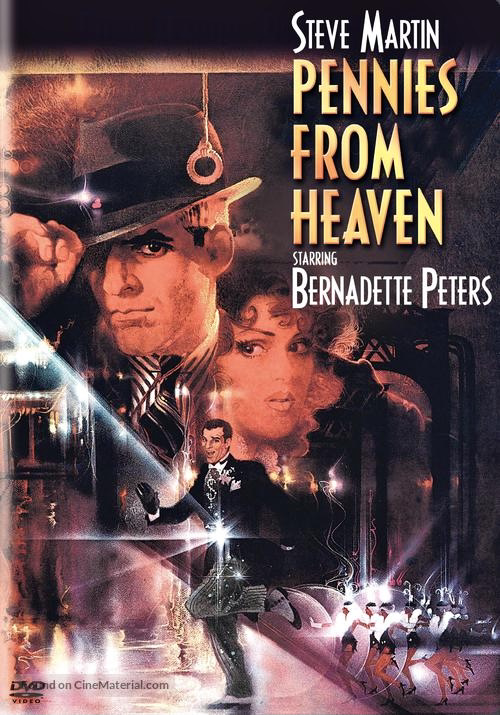
Lip-Syncing to a Different Tune

In the wake of Heaven’s Gate (1980), the $38 million dollar epic by director Michael Cimino that become one of the most expensive box office disasters in movie history, every studio in Hollywood began to carefully monitor their production costs. This was especially true at MGM, which had recently acquired United Artists, the producer and distributor of Heaven’s Gate. You would think in this financially conservative new climate, created by near-bankruptcy conditions, MGM would have steered clear of producing a risky commercial venture like Pennies From Heaven (1981), based on the critically acclaimed six-part British TV mini-series by Dennis Potter. Yet, despite the odds, the studio took a chance on this dark and disturbing tale of a traveling sheet music salesman who escapes the daily drudgeries of his job and miserable married life through fantastic daydreams set to popular songs.

Continue reading

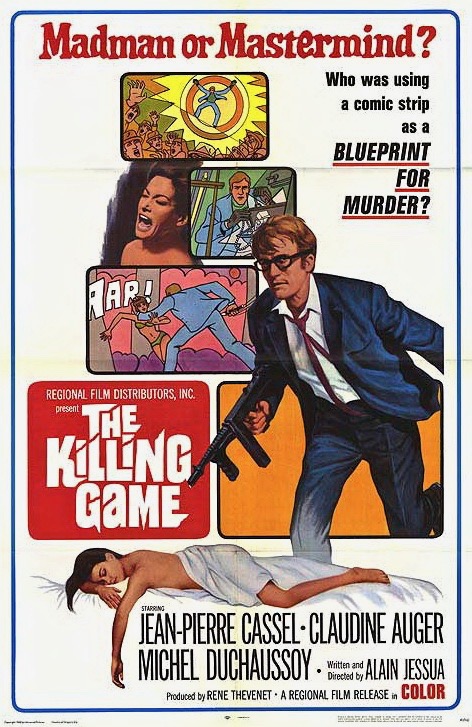
Comic Strip Addiction

If you went by title alone, Alain Jessua’s Jeu de Massacre (released as The Killing Game in the U.S. and as Comic Book Hero in other territories) suggests it might be a murder mystery or a James Bond-like spy thriller which was still in vogue at the time of the film’s release in 1967. Instead, the film is a witty black comedy about the addictive power of pulp fiction – in this case, a superhero comic book – to ignite dangerous fantasies in readers whose grasp on reality is fragile.   Continue reading