The 1982 Indian film Elippathayam (English title: Rat-Trap) is one of those rare movies where the title has a double meaning – one is literal, the other metaphorical – which the director, Adoor Gopalakrishnan, succeeds in illuminating through a slow, methodical and almost hypnotic visual style that is neither pretentious nor didactic.
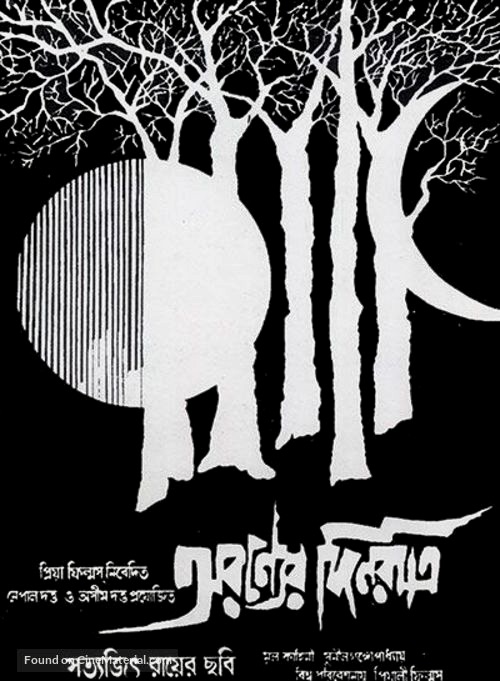
The film poster for DAYS AND NIGHTS IN THE FOREST (1970) from India.
Four carefree middle class bachelors from Calcutta journey deep into the bucolic countryside for a break from city life and to enjoy drinking and partying with the local native women. What they end up experiencing in this unfamiliar locale is both a reflection of their own ignorance and colonialist attitudes inherited from their former British occupiers about the lives of people in rural India. This is the basic premise of Ananyer Din Ratri (English title: Days and Nights in the Forest, 1970), which many film scholars and critics consider a mid-career masterpiece from director Satyajit Ray. Admirers of the movie also cite the plays of Anton Chekhov and the films of Jean Renoir, especially his 1946 short Partie de Campagne (English title, A Day in the Country) as distinct influences on this social comedy with its amusing and sometimes harsh observations about human foibles and cultural differences.
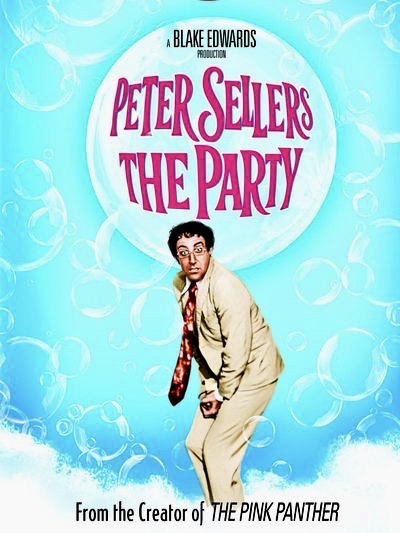
You don’t have to go back that many years to compile a long list of Hollywood films in which white actors are cast as Native Americans, Asians, Hispanics, African Americans, Pacific islanders, Arabs, etc. In fact, this controversial practice continues into the 21st century with such conspicuous portrayals like Jake Gyllenhaal as an Afghan orphan in Prince of Persia: The Sands of Time (2010) and Johnny Depp as Tonto in The Lone Ranger (2013). If you were creating a top ten hall of shame, however, it’s a good bet that Blake Edwards’ The Party (1968) starring Peter Sellers in brownface makeup as Indian film star Hrundi V. Bakshi would be near the top of the list. Yet, the film is considered by many film critics and movie lovers as one of Edwards’ best comedies and has a cult following that has nothing to do with racial stereotypes. It is also considered a radical departure from other comedies of that time for its improvised, almost experimental approach to the genre.


 Cinema Sojourns